
Base de datos de plantas del FNPS

Salvia misella
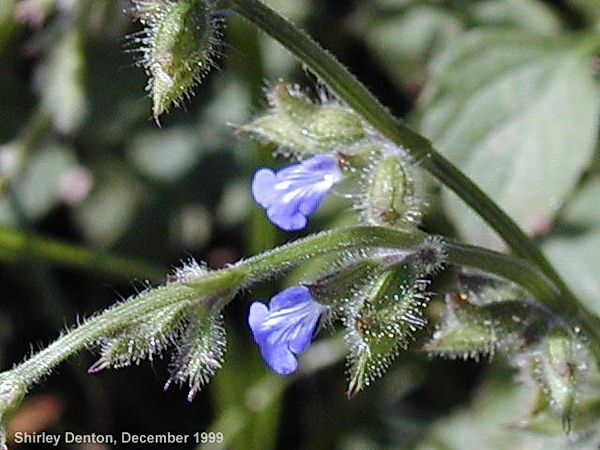
southern river sage, creeping sage
  • Photo by: Shirley Denton, Suncoast Chapter FNPS

Nomenclatura

Nombre común:

southern river sage, creeping sage

Sinónimo(s):

Salvia riparia

Especie del género:

Salvia misella

Familia:

Lamiaceae

Especificaciones de la planta

Forma:

flower

Tamaño:

0.5-0.8 ft tall by 3-5 ft wide

Esperanza de vida:

Long-lived perennial

Color de la flor:

blue

Color de la fruta:

Fenología:

winter dormant

Destacado por:

Aroma/Showy Fruitsagrance, Interesting Foliage

Paisajismo

Usos recomendados:

Used as a ground cover, one of the relatively few Florida plants that both forms a low dense cover and survives shade.

Consideraciones:

Depending on site, this plant may spread more than preferred, but easy to pull up if it is not wanted

Disponibilidad:

Native Nurseries, FNPS Plant Sales, Friends

Propagación:

Easily propagated by dividing the root ball, but will also grow from seed

Luz:

Full Sun, Part Sun, Shade

Tolerancia a la humedad:

Siempre inundado---------------------------------Extremadamente seco

□□□□□□□□□□□□□□□□□□□□□■■■■■■■■■■■■■■■□□□□□□

Somewhat moist, no flooding -a- Somewhat long very dry periods

Tolerancia a inundaciones por agua salada:

Unknown

Tolerancia a la niebla salina/suelo salado:

Low/no tolerance of salty wind or direct salt spray

Suelo u otro sustrato:

Sand

pH del suelo:

slightly acidic to slightly calcareous

Apto para cultivo en:

9A,9B,10A,10B,11
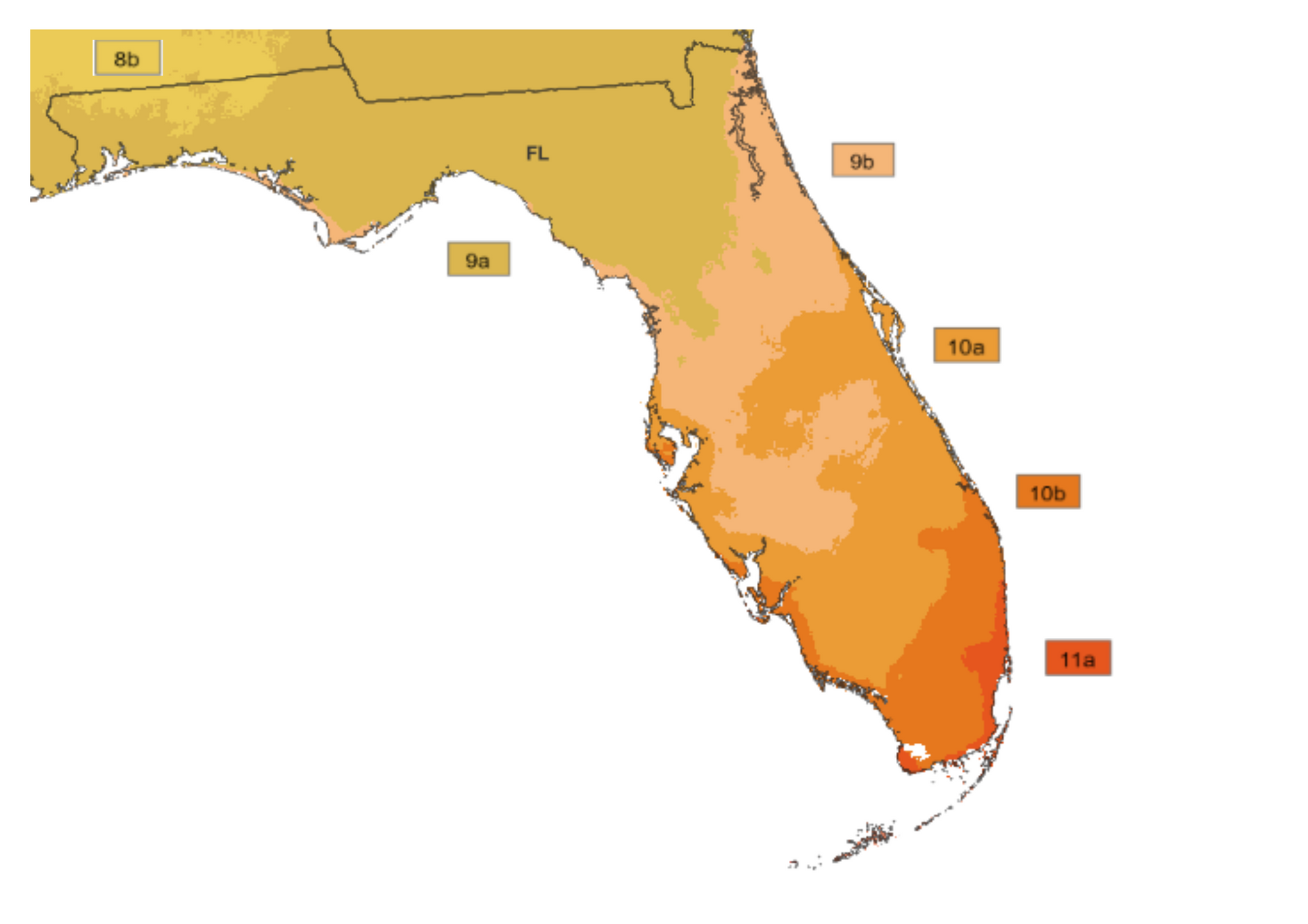
Las zonas del USDA se basan en la temperatura mínima extrema invernal anual promedio.

¿No conoces tu zona? Haz clic aquí para buscar por código postal.

Acreditado en:

Distribution
Vouchered
Not vouchered
Selected
Click a county The county name will appear here.
No county distribution is available for this plant yet.
Starting…
Map coded by Melissa Fernandez-de Cespedes (Paynes Prairie Chapter)

Ecología

Fauna:

Pollinators, Caterpillars


  • Larval host for Fulvous Hairstreak.


  • Attracts pollinators


Hábitats nativos:

Área de distribución natural en Florida:

Comentarios:

Etnobotánica:

Comentarios generales:

Depending on cold, this may keep its leaves all year or die back during the winter. In colder areas, consider growing it as an annual. It adapts well to semi-shady to shady well-drained conditions.


Herbarium specimens from Marion and Alachua counties were in disturbed "garden" localities - not mapped here.  Not planted, but highly unlikely to have appeared other than through human disturbance.

FNPS Plant Print

Citas:

Wunderlin, R. P., B. F. Hansen, A. R. Franck, and F. B. Essig. 2021. Atlas of Florida Plants (http://florida.plantatlas.usf.edu/).  Institute for Systematic Botany, University of South Florida, Tampa.

Solicitar una actualización