

Base de datos de plantas del FNPS
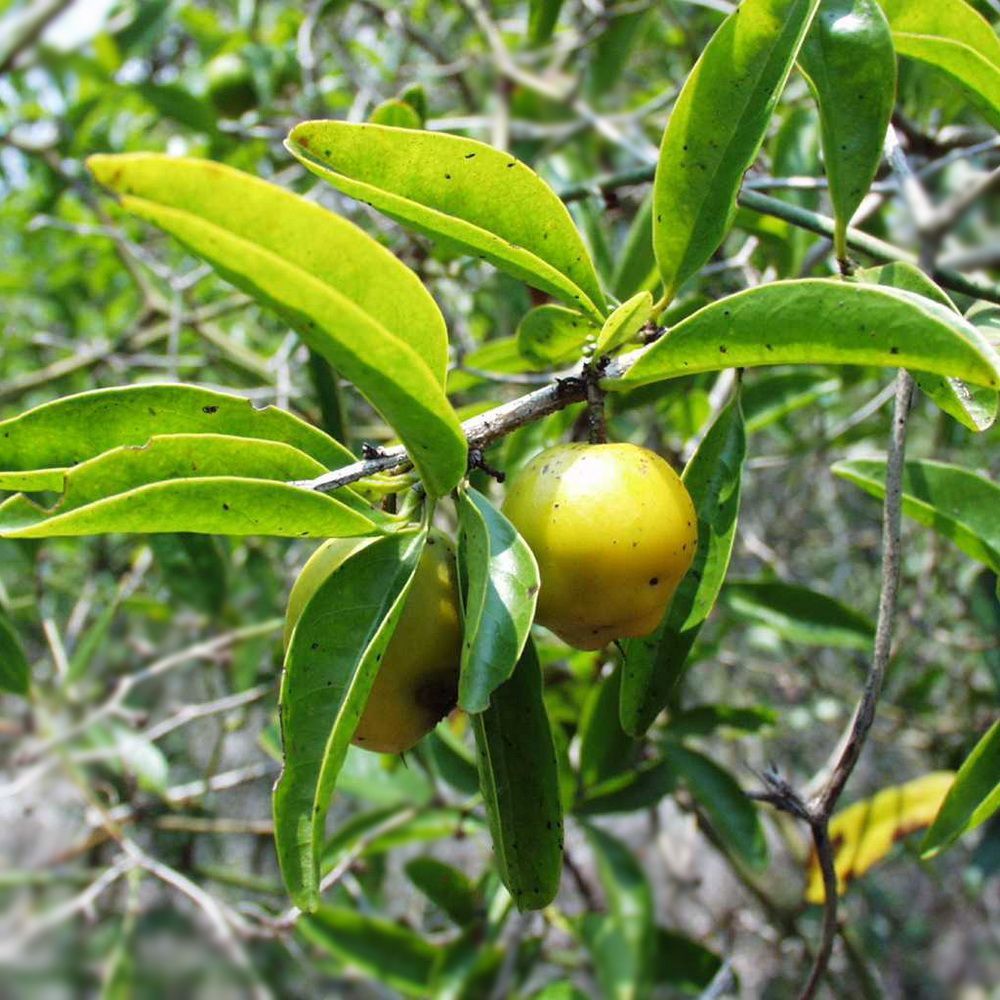
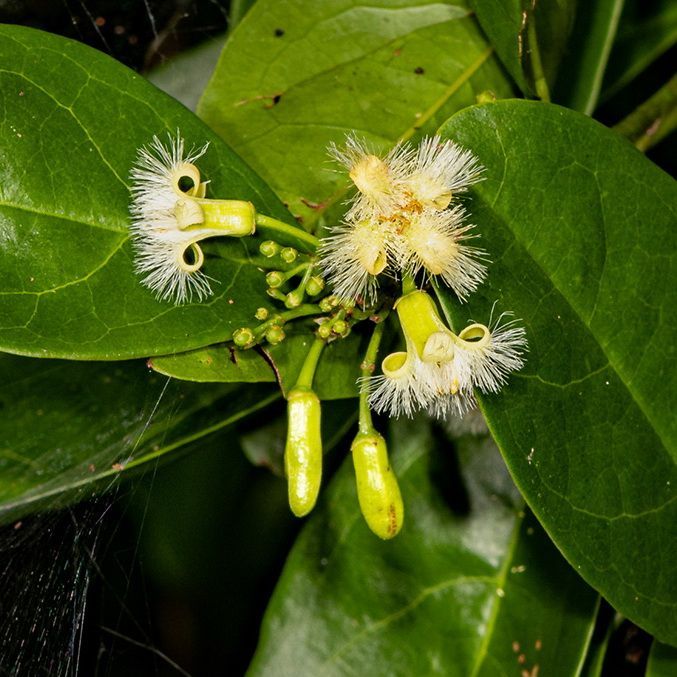
Ximenia americana
Nomenclatura
Nombre común:
Sinónimo(s):
Especie del género:
Familia:
Olacaceae
Especificaciones de la planta
Forma:
Tamaño:
Esperanza de vida:
Long-lived perennial
Color de la flor:
Color de la fruta:
Fenología:
Destacado por:
Paisajismo
Usos recomendados:
Consideraciones:
Disponibilidad:
Propagación:
Luz:
Tolerancia a la humedad:
Siempre inundado---------------------------------Extremadamente seco
□□□□□□□□□■■■■■■■■■■■■■■■■■■■■■■■■■■■■■■□□□
Stays wet -a- Very long very dry periods
Tolerancia a inundaciones por agua salada:
Tolerant of occasional/brief inundation such as can occur in storm surges
Tolerancia a la niebla salina/suelo salado:
Moderate. Tolerant of salty wind and may get some salt spray
Suelo u otro sustrato:
Sand, Loam, Lime Rock, Organic
pH del suelo:
Apto para cultivo en:
9A,9B,10A,10B,11
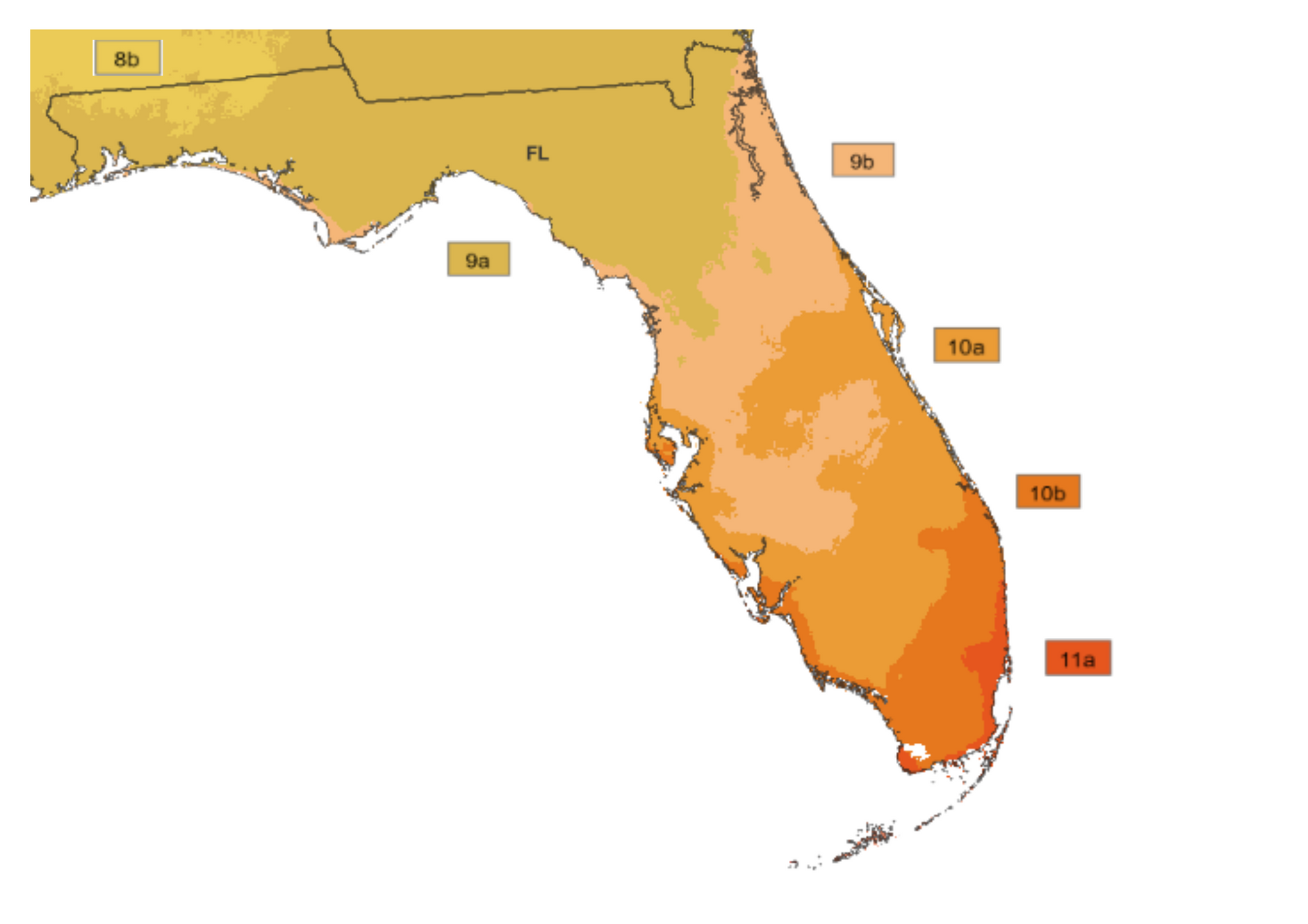
Las zonas del USDA se basan en la temperatura mínima extrema invernal anual promedio.
¿No conoces tu zona? Haz clic aquí para buscar por código postal.
Acreditado en:
Ecología
Fauna:
Attracts pollinators, especially bees. Documented bees include Agapostemon splendens, Augochloropsis sumptuosa, Lassioglossum tarponense, Coelioxys germana, Megachile mendica, Melissodes communis , and Apis mellifera (honeybee) (Deyrup et al. 2002).
Birds and other wildlife will eat the fruit.
Hábitats nativos:
Comentarios:
Etnobotánica:
Comentarios generales:


Citas:

