

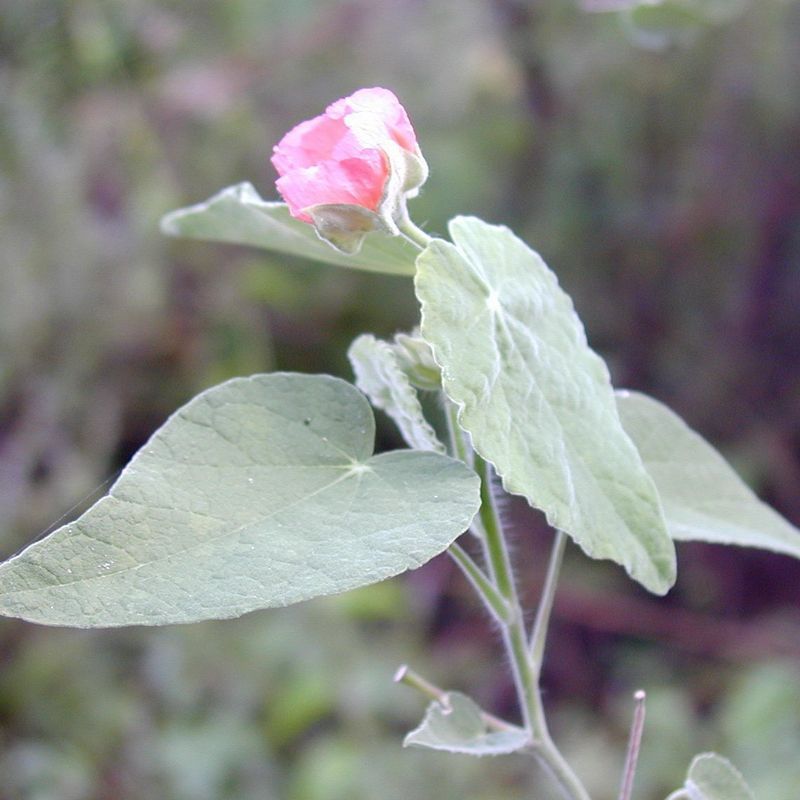
Nomenclature
Common Name:
Synonym(s):
Genus species:
Family:
Malvaceae
Plant Specifics
Form:
Size:
Life Span:
Long-lived perennial
Flower Color:
Fruit Color:
Phenology:
Noted For:
Landscaping
Recommended Uses:
Considerations:
Availability:
Propagation:
Light:
Moisture Tolerance:
Always Flooded------------------------------------------------Extremely Dry
---|----|----|----|----|----|----|---- <----|----|----|-> --|-
Not wet but not extremely dry ---to--- Somewhat long very dry periods
Salt Water Flooding Tolerance:
Unknown
Salt Spray/Salty Soil Tolerance:
Some tolerance to salty wind but not direct salt spray
Soil or Other Substrate:
Soil pH:
Suitable to Grow In:
Ecology
Wildlife:
Native Habitats:
Natural Range in Florida:
Visit the USF Libraries Atlas of Florida Plants
Comments:
Ethnobotany:
General Comments:
According to Kew Gardens, it is from Central America and probably Cuba and Florida. After going through the photos and labels for specimens in the SIEnet database, the only occurrences in Florida that were convincingly in natural systems (as opposed to highly disturbed areas) were on shell mounds, dunes, and similar coastal areas. Hence, the range map provided highlights the counties along the west coast that have these.
Noted as invasive and weedy on many herbarium specimen labels. Where not native, we should think of it as invasive.

