Nomenclature

Common Name:

meadow garlic

Synonym(s):

Genus species:

Allium canadense

Family:

Alliaceae

Plant Specifics

Form:

flower

Size:

1 ft tall by 0.1 ft wide but spreads through creation of new bulbs and can form relatively large clumps and patches.

Life Span:

Long-lived perennial

Flower Color:

white

Fruit Color:

brown

Phenology:

Summer and fall dormant. Leaves emerge in the winter and it blooms in early spring.

Noted For:

Showy Flowers, Aroma/Showy Fruitsagrance

Landscaping

Recommended Uses:

Wildflower garden, rain garden, bioswale, or herb garden.

Considerations:

Availability:

Seed

Propagation:

Transplant or divide bulbs, plant bulblets that are produced in the flower heads, or grow from seed.

Light:

Full Sun, Part Sun

Moisture Tolerance:

Always Flooded------------------------------------------------Extremely Dry

-|----|----|----|----|- <------> ----|----|----|----|---

Stays wet ---to--- Not wet but not extremely dry

Salt Water Flooding Tolerance:

Unknown

Salt Spray/Salty Soil Tolerance:

Low/no tolerance of salty wind or direct salt spray

Soil or Other Substrate:

Sand, Clay, Loam

Soil pH:

circum neutral

Suitable to Grow In:

8A,8B,9A,9B

Ecology

Wildlife:

Pollinators

Pollinated by bees and other insects.

Native Habitats:

Ruderal, especially roadside ditches.

Natural Range in Florida:

Comments:

Ethnobotany:

Add to your herb garden next to the chives. Leaves are solid (not hollow like chives and other onions) and all parts of the plant can be used raw or cooked to add a mild garlicky flavor.

General Comments:

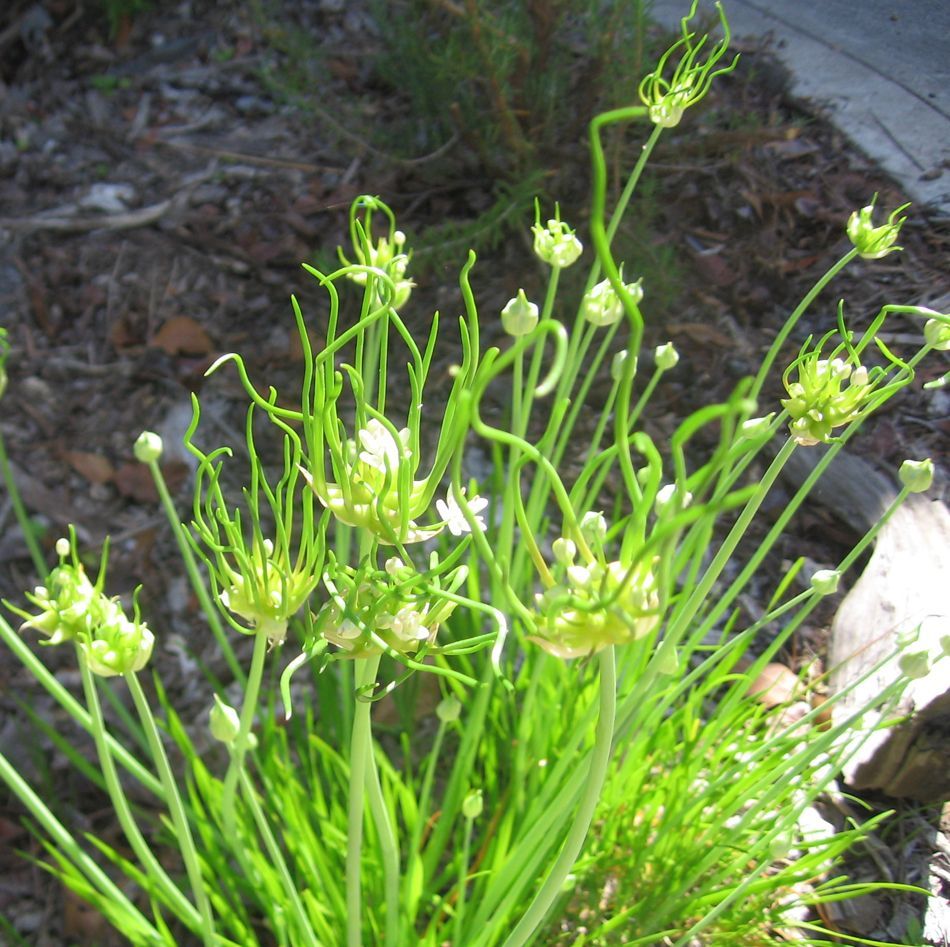
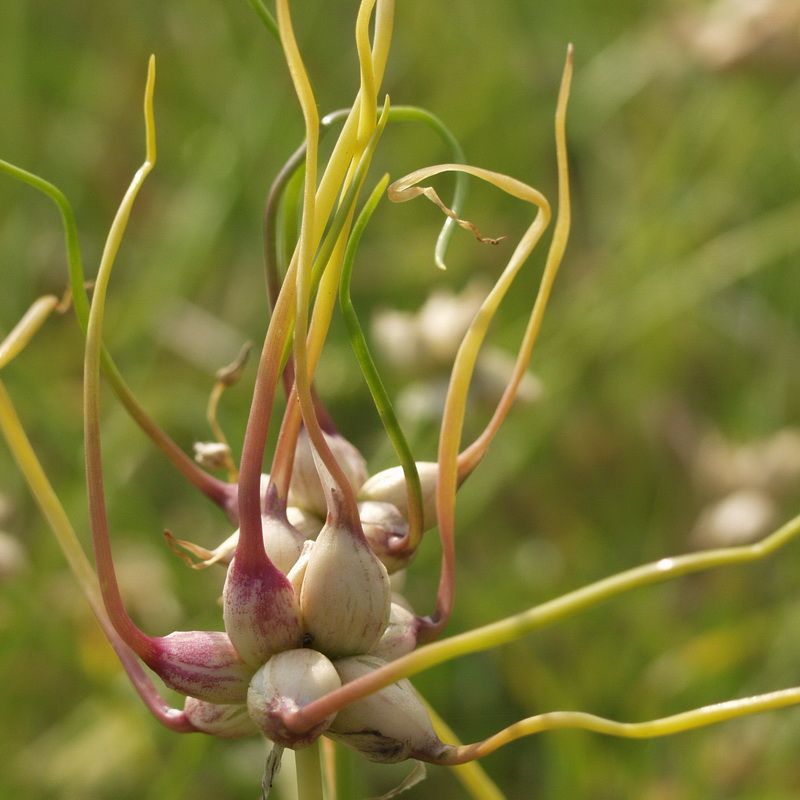
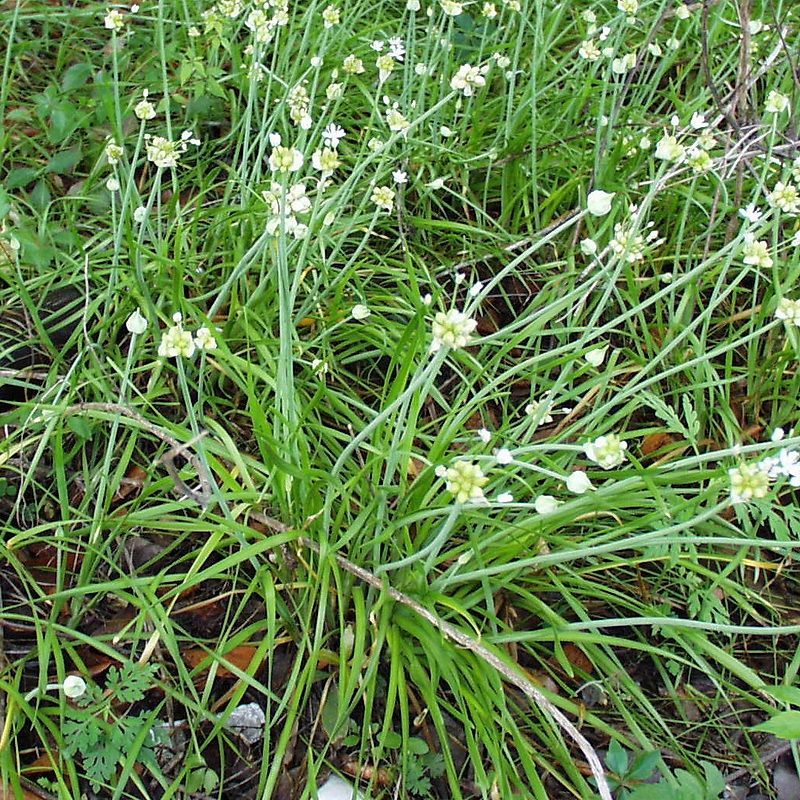
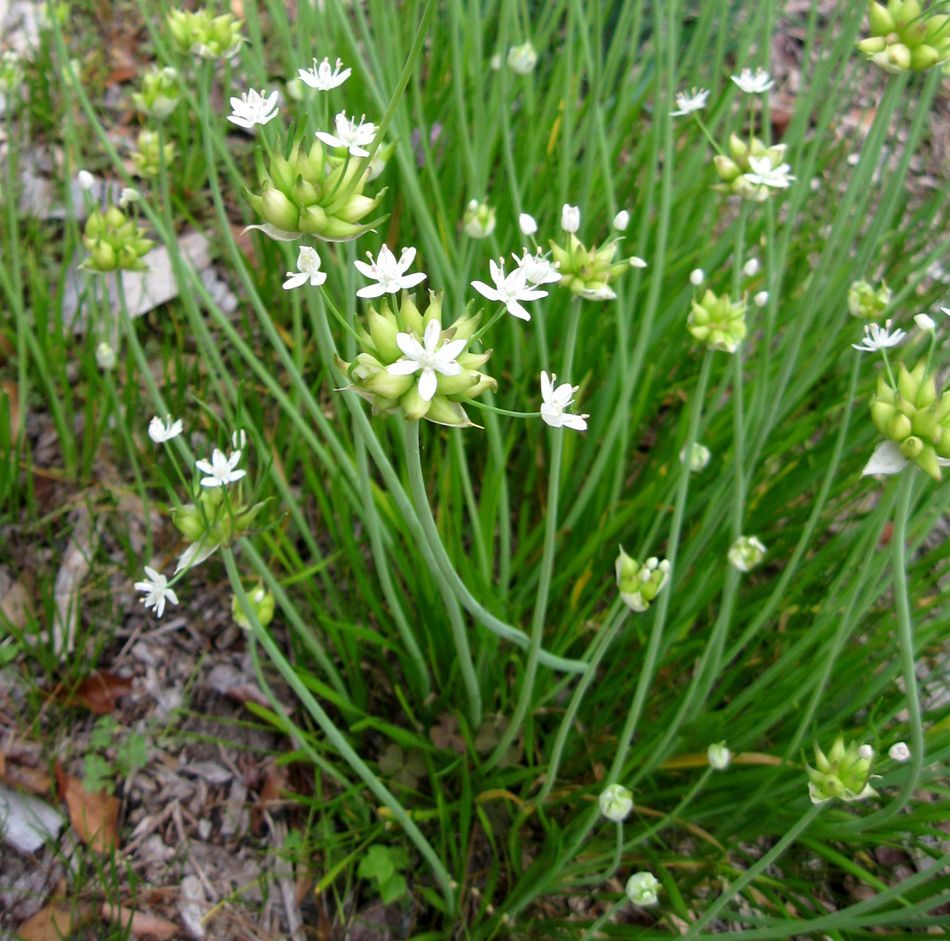
The inflorescence consists of a few long-stalked flowers with 6 tepals and many bulblets that tend to sprout in place. The first leaf from the bulblet tends to curl giving the structure a wild-haired appearance.
