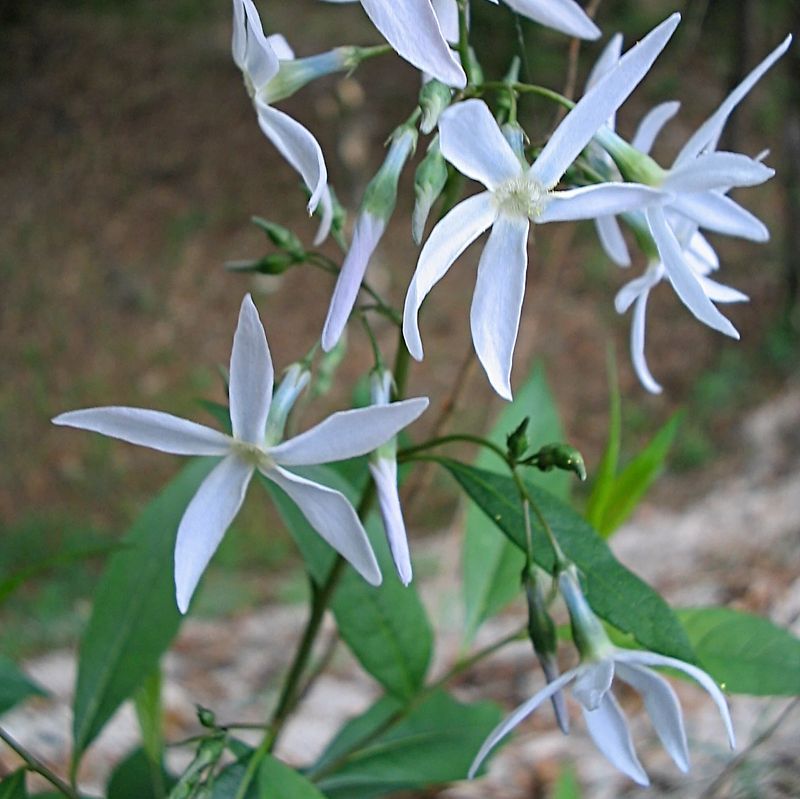
Nomenclature
Common Name:
Synonym(s):
Genus species:
Family:
Apocynaceae
Plant Specifics
Form:
Size:
Life Span:
Long-lived perennial
Flower Color:
Fruit Color:
Phenology:
Noted For:
Landscaping
Recommended Uses:
Considerations:
Availability:
Propagation:
Light:
Moisture Tolerance:
Always Flooded------------------------------------------------Extremely Dry
-|-|-- <---------------> ----|----|----|----|---
Stays wet ---to--- Somewhat moist, no flooding
Salt Water Flooding Tolerance:
Unknown
Salt Spray/Salty Soil Tolerance:
Low/no tolerance of salty wind or direct salt spray
Soil or Other Substrate:
Sand, Clay, Loam
Soil pH:
Suitable to Grow In:
8A,8B
Ecology
Wildlife:
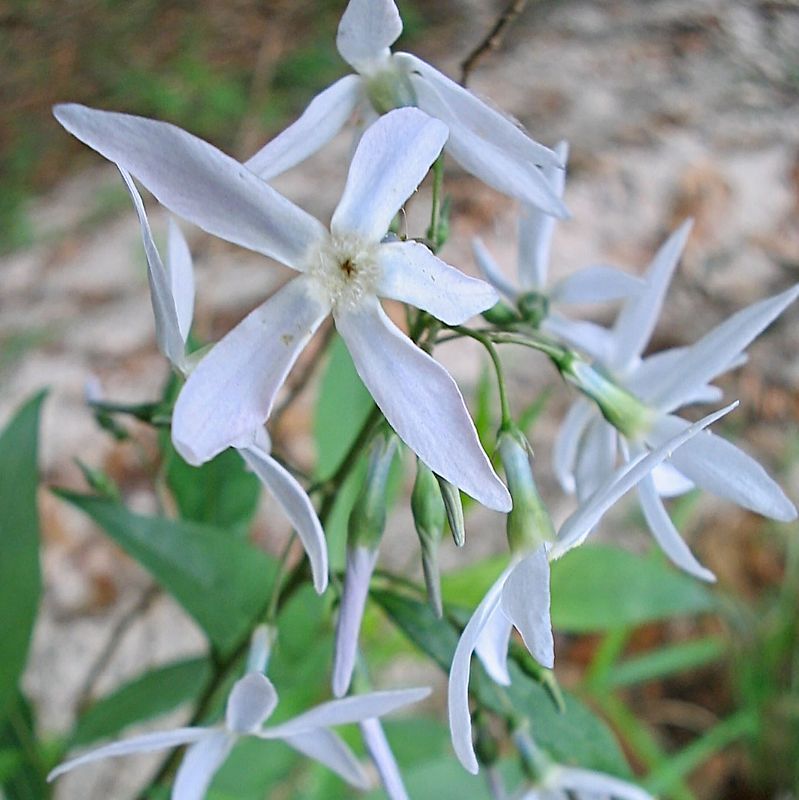
he flowers attract long-tongued insects such as carpenter bees, hummingbird moths, and butterflies. Ruby-throated hummingbirds are also attracted to the nectar. Not known to be a larval plant for monarch butterflies.
Avoided by mammalian herbivores.
Native Habitats:
Natural Range in Florida:
Visit the USF Libraries Atlas of Florida Plants
Comments:
Ethnobotany:
General Comments:

