
Nomenclature
Common Name:
Synonym(s):
Genus species:
Family:
Poaceae (Gramineae)
Plant Specifics
Form:
Size:
Life Span:
Long-lived perennial
Flower Color:
Fruit Color:
Phenology:
Noted For:
Landscaping
Recommended Uses:
Considerations:
Availability:
Propagation:
Light:
Moisture Tolerance:
Always Flooded------------------------------------------------Extremely Dry
-|---|----- <-------------------------> |----|----|----|----|-
Stays wet ---to--- Not wet but not extremely dry
Salt Water Flooding Tolerance:
Unknown
Salt Spray/Salty Soil Tolerance:
Low/no tolerance of salty wind or direct salt spray
Soil or Other Substrate:
Sand, Loam, Organic
Soil pH:
Suitable to Grow In:
8A,8B,9A
Ecology
Wildlife:
Possible larval host plant for Delaware skipper ( Anatrytone logan ), Georgia satyr ( Neonympha areolata ), neamathla skipper ( Nastra neamathla ), swarthy skipper ( Nastra lherminier ) and twin-spot skipper ( Oligoria maculata ) butterflies.
Seeds eaten by various small birds and other wildlife.
Native Habitats:
Natural Range in Florida:
Visit the USF Libraries Atlas of Florida Plants
Comments:
Ethnobotany:
General Comments:
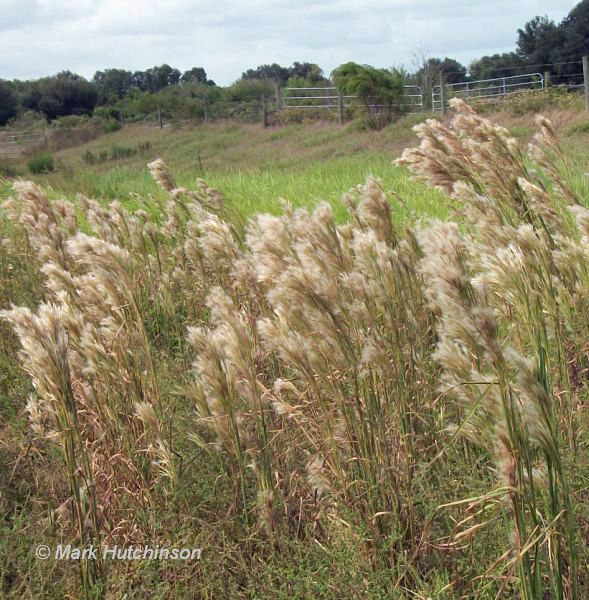
There are several different subspecies of A. glomeratus with different affinities for upland and wetland conditions.
- A. glomeratus var. glaucopsis is notable as it has a blue-purple coloration and is almost always found in wetlands. It is sometimes considered to be a separate species
- A. glomeratus var. pumilus has the widest distribution in Florida and based on the relative numbers of herbarium specimens, likely the most common.
- A. glomeratus var. hirsuitior is widespread but probably less common than var. pumilis.
- A. glomeratus var. glomeratus has no documented herbarium specimens in the southern half of the peninsula.
Uses of the latter 3 varieties should be similar as their habitats are similar.

