
Nomenclature
Common Name:
Synonym(s):
Genus species:
Family:
Annonaceae
Plant Specifics
Form:
Size:
Life Span:
Long-lived perennial
Flower Color:
Fruit Color:
Phenology:
Noted For:
Landscaping
Recommended Uses:
Considerations:
Availability:
Propagation:
Light:
Moisture Tolerance:
Always Flooded------------------------------------------------Extremely Dry
<--------------------> ----|----|----|----|----|----|---
Aquatic ---to--- Usually moist, occasional inundation
Salt Water Flooding Tolerance:
Unknown
Salt Spray/Salty Soil Tolerance:
High. Can tolerate significant and ongoing amounts of salt.
Soil or Other Substrate:
Sand, Loam, Organic
Soil pH:
Suitable to Grow In:
10A,10B,11
Ecology
Wildlife:
Larval food source for Giant sphinx ( Cocytius antaeus ).
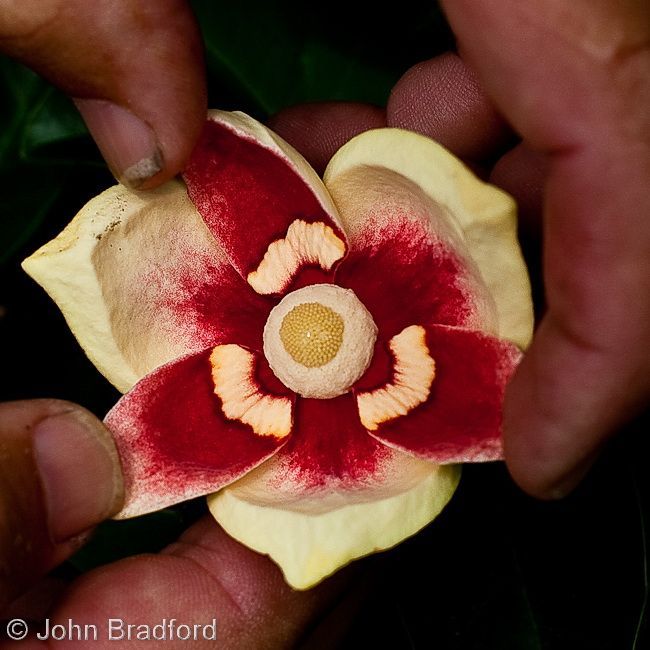
Pollinated by beetles.
Bird nesting area and food source.
Fruit used by mammals such as raccoons.
Native Habitats:
Natural Range in Florida:
Visit the USF Libraries Atlas of Florida Plants
Comments:
Ethnobotany:
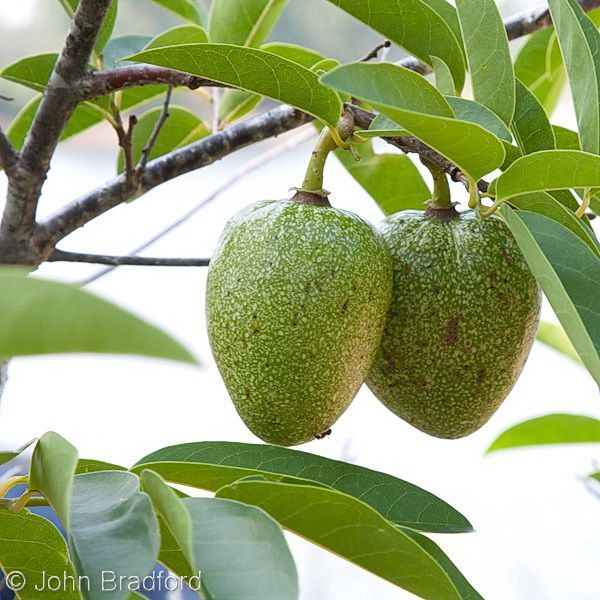
The Seminole Indians used this plant to make a cleaning product and as a food source (fruits). Seeds are said to be toxic. The fruits have been used to make jelly and custard.
Major pond apple forests along the southern rim of Lake Okeechobee were destroyed for agriculture early in the 20th century.
General Comments:

