
Nomenclature
Common Name:
Synonym(s):
Genus species:
Family:
Apocynaceae
Plant Specifics
Form:
Size:
Life Span:
Long-lived perennial
Flower Color:
Fruit Color:
Phenology:
winter dormant
Noted For:
Landscaping
Recommended Uses:
Small specimen plant.
Considerations:
Toxic if eaten unless boiled with two waters. Tends to sprawl.
Availability:
Propagation:
Difficult to transplant. Best grown from seed.
Light:
Moisture Tolerance:
Always Flooded------------------------------------------------Extremely Dry
-|----|----|----|------|----|---- <------------------------> -|-
Somewhat moist, no flooding ---to--- Very long very dry periods
Salt Water Flooding Tolerance:
Unknown
Salt Spray/Salty Soil Tolerance:
Low/no tolerance of salty wind or direct salt spray
Soil or Other Substrate:
Sand
Soil pH:
Suitable to Grow In:
8A,8B,9A,9B
Ecology
Wildlife:
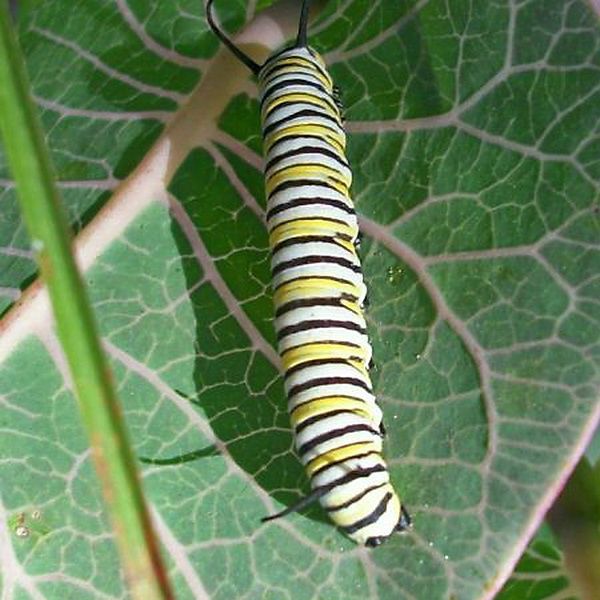
Larval host to the Monarch butterfly ( Danaus plexippus ), Queen butterfly ( Danaus gilippus ) and others.
Attracts many pollinators, especially native bees.
Native Habitats:
Sandhill, clayhill, scrub.
Natural Range in Florida:
Visit the USF Libraries Atlas of Florida Plants
Comments:
Ethnobotany:
General Comments:
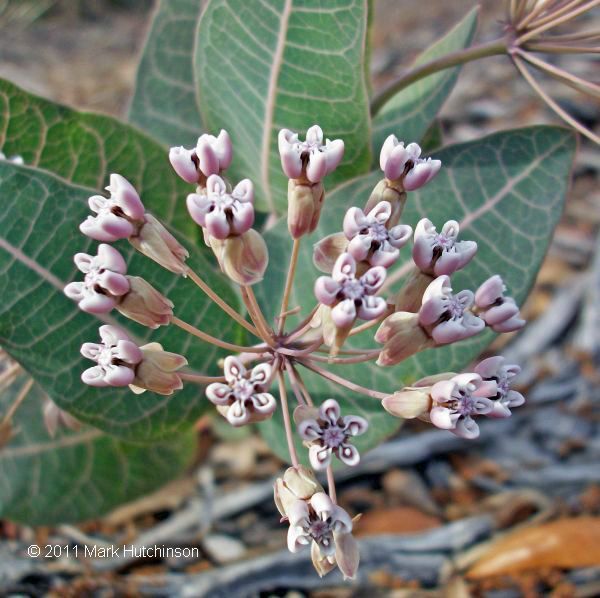
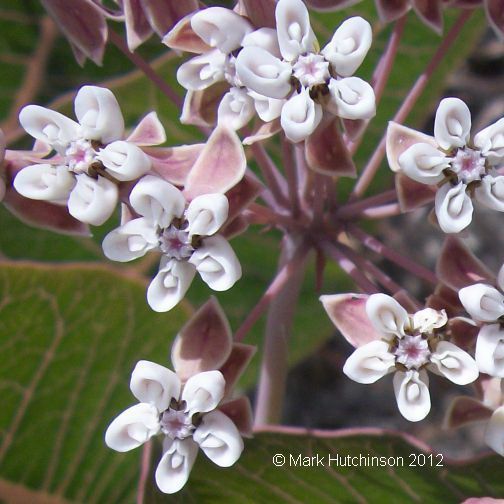
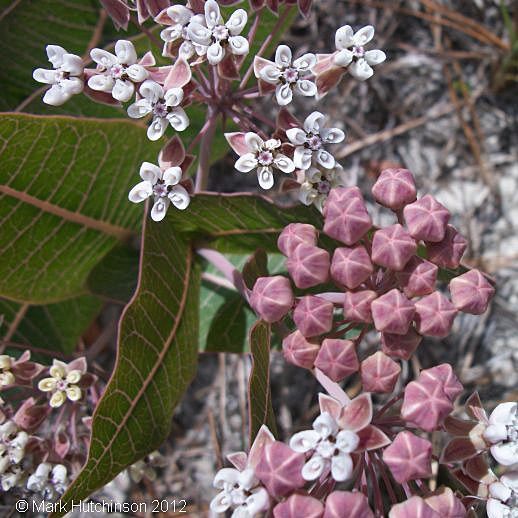
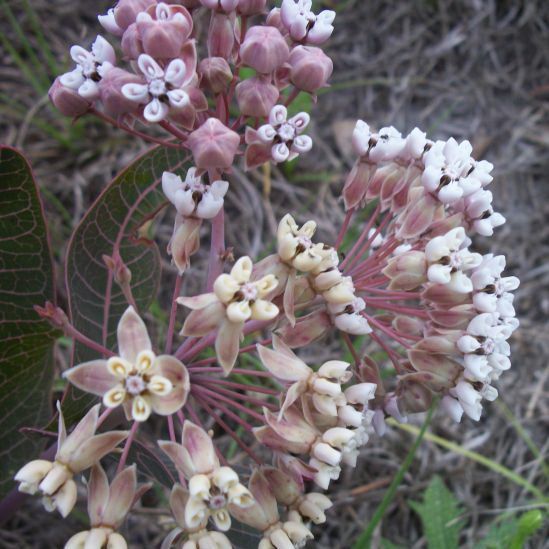
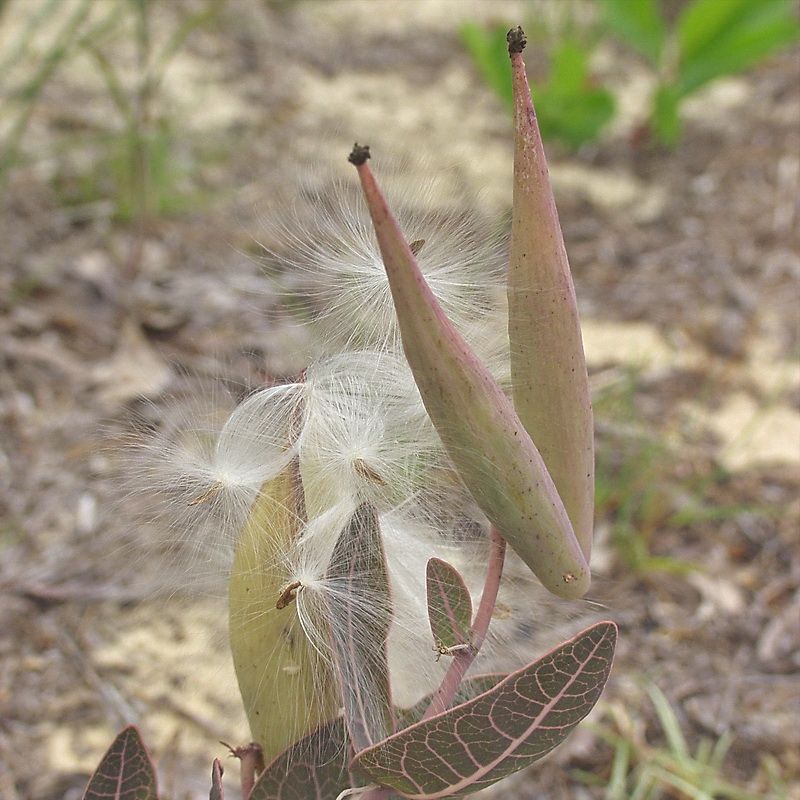
Interesting pink veined foliage, showy flowers. Often lies on its side with the flowers held somewhat above the rest of the plant.
Has an extremely deep taproot. Is notoriously difficult to transplant.

