Nomenclature

Common Name:

white wild indigo

Synonym(s):

Genus species:

Baptisia alba

Family:

Fabaceae (Leguminosae)

Plant Specifics

Form:

flower

Size:

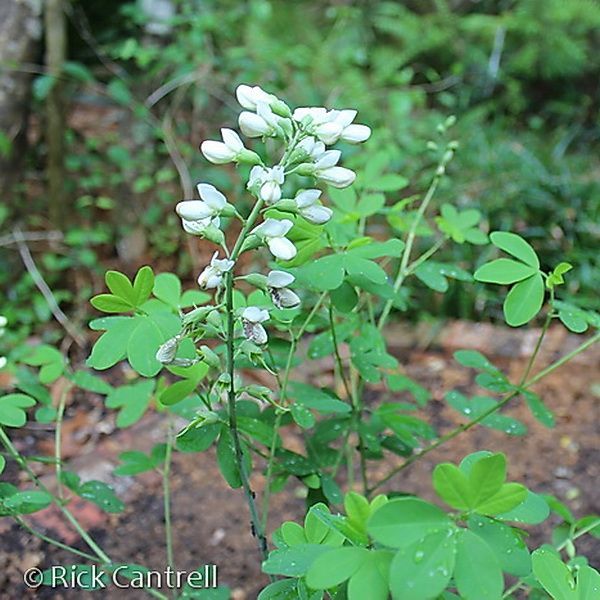
2-5 ft tall by 2-4 ft wide

Life Span:

Long-lived perennial

Flower Color:

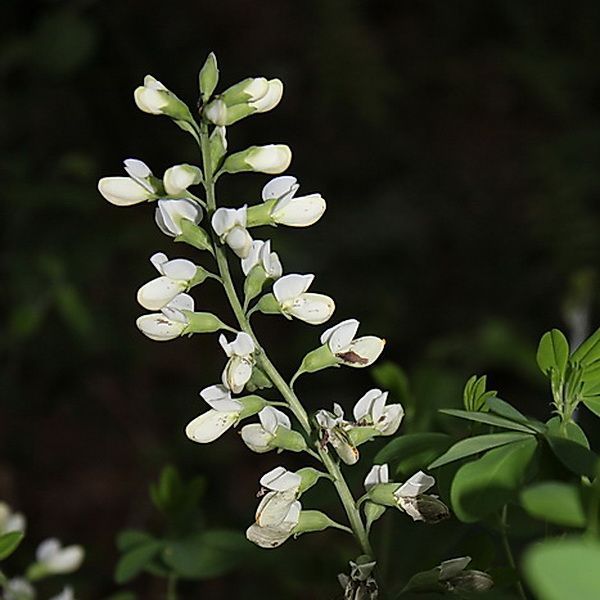
white

Fruit Color:

green,black

Phenology:

Winter dormant. Flowers March-May.

Noted For:

Showy Flowers

Landscaping

Recommended Uses:

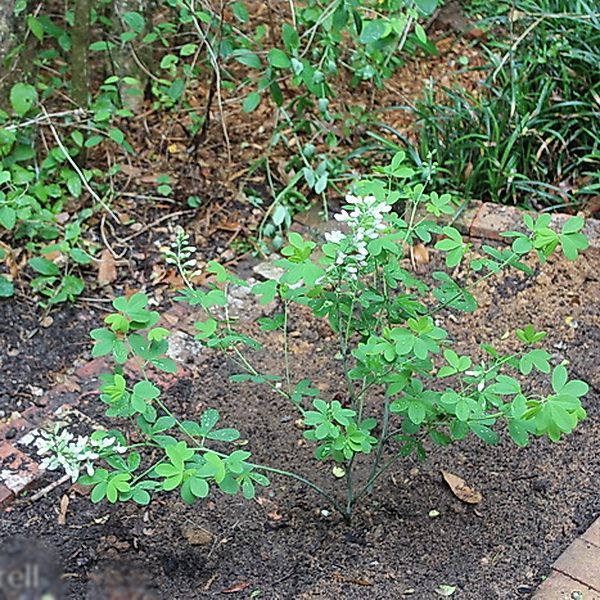
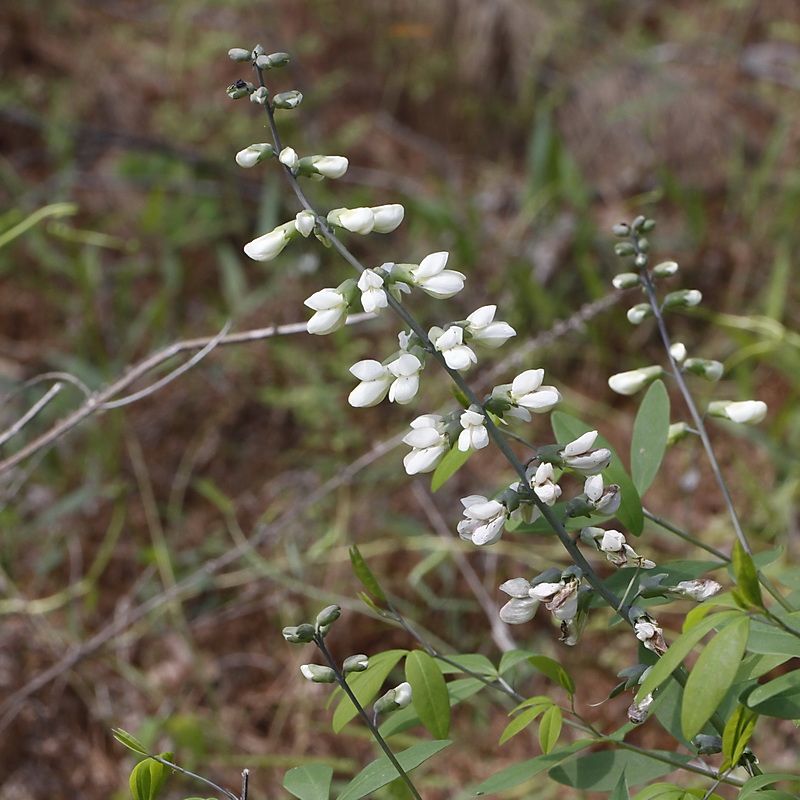
Treat as a small shrub or use as a background plant in a wildflower garden. Can make a nice but tall border plant. Its flowers are more visible if planted against something that gives them contrast such as a dark fence. Assets  include its long racemes of white flowers and its leafy, rounded foliage.

Considerations:

Toxic to livestock and humans.

Availability:

Native Nurseries, FNPS Plant Sales

Propagation:

Seed (scarification beneficial but not required) or division of roots at the crown. Not tolerant of root disturbance once its root system has become established, so best planted as seed or small potted plant where is to remain. Requires several years to reach maturity. Seeds are available through the Florida Wildflowers Growers Cooperative

Light:

Full Sun, Part Sun

Moisture Tolerance:

Always Flooded------------------------------------------------Extremely Dry

Coming Soon!

Somewhat moist, no flooding ---to--- Very long very dry periods

Salt Water Flooding Tolerance:

Unknown

Salt Spray/Salty Soil Tolerance:

Low/no tolerance of salty wind or direct salt spray

Soil or Other Substrate:

Sand, Clay, Loam

Soil pH:

Acidic to circum-neutral

Suitable to Grow In:

8A,8B,9A,9B

Ecology

Wildlife:

Pollinators, Caterpillars, Mammals

Larval host for wild indigo duskywing ( Erynnis baptisiae ) and Zarucco duskywing ( Erynnis zarucco ) butterflies.


Pollinated by bumble bees.

Deer and rabbits browse the foliage, and as a legume it provides nutritious, protein-rich food. 

Native Habitats:

Sandhill

Natural Range in Florida:

Comments:

Ethnobotany:

General Comments:

This plant is a legume and its roots have nitrogen-fixing nodules on them. It is useful on nutrient poor soils.