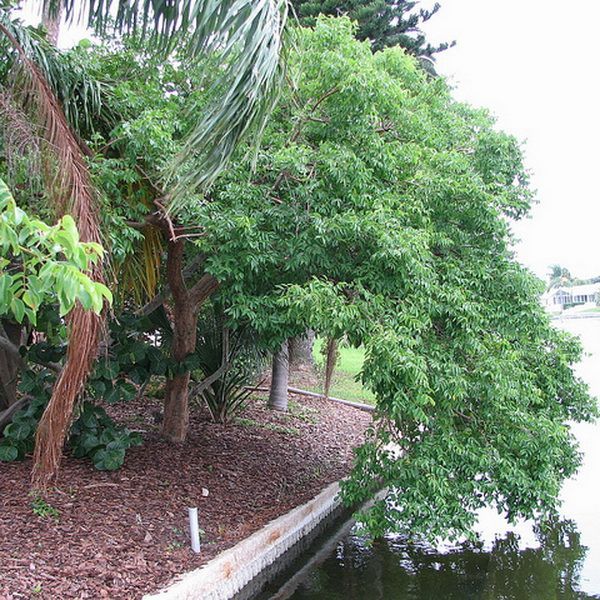
Photo by: Kari Ruder, Hernando Chapter, FNPS
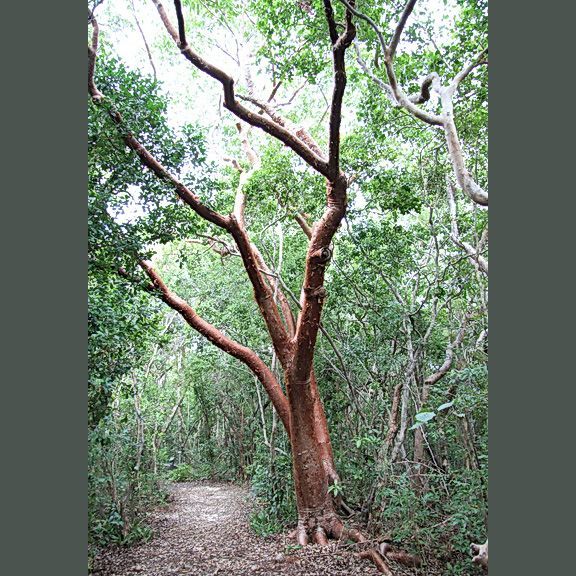
Photo by: Shirley Denton, Suncoast Chapter FNPS
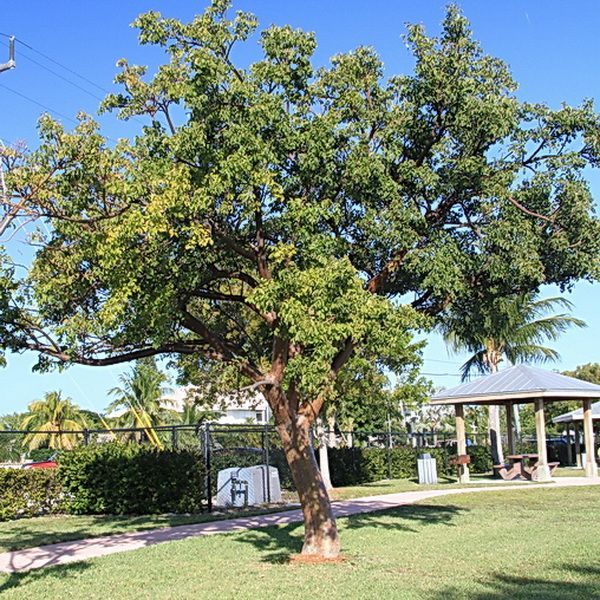
Photo by: Shirley Denton, Suncoast Chapter FNPS
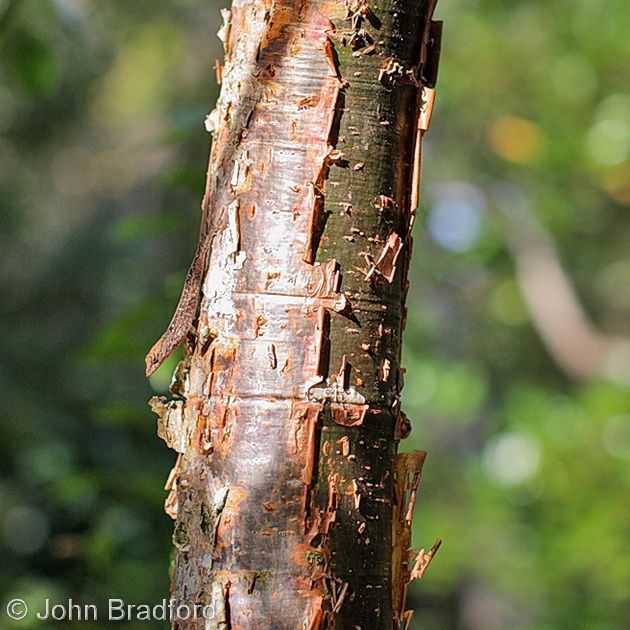
Photo by: John Bradford, Martin County Chapter FNPS
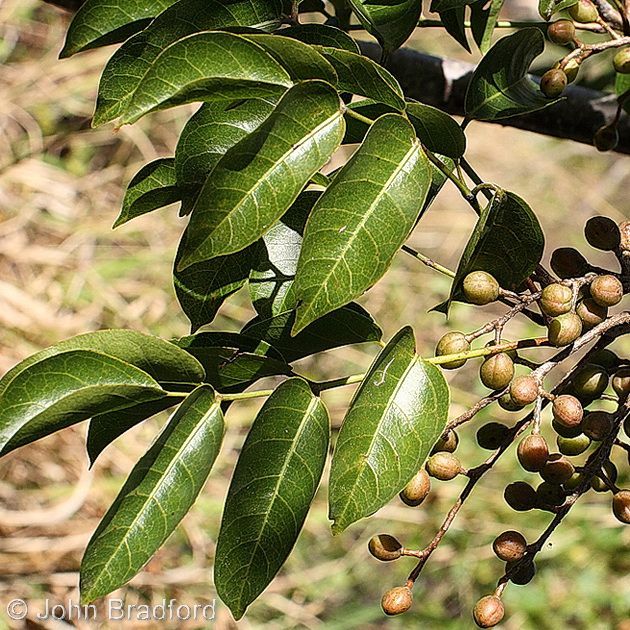
Photo by: John Bradford, Martin County Chapter FNPS
Nomenclature
Common Name:
gumbo-limbo, tourist tree
Synonym(s):
Genus species:
Bursera simaruba
Family:
Burseraceae
Plant Specifics
Form:
tree
Size:
20-30 (60) ft tall by 20-30 (50) ft wide
Life Span:
Long-lived perennial
Flower Color:
white,green,NA
Fruit Color:
brown,NA
Phenology:
Briefly deciduous in late winter or drought.
Noted For:
Hurricane Wind Resistance, Interesting Bark
Landscaping
Recommended Uses:
Plant as a specimen tree to show off its bronze-colored peeling bark. Also makes a good shade tree.
Considerations:
Availability:
Quality Nurseries, Native Nurseries, FNPS Plant Sales
Propagation:
Cuttings and seed. Branches that are stuck into the ground can root, but those started from seed will have a better shape.
Light:
Full Sun, Part Sun
Moisture Tolerance:
Always Flooded------------------------------------------------Extremely Dry
Coming Soon!
Usually moist, occasional inundation ---to--- Very long very dry periods
Salt Water Flooding Tolerance:
Unknown
Salt Spray/Salty Soil Tolerance:
Some tolerance to salty wind but not direct salt spray
Soil or Other Substrate:
Sand, Lime Rock
Soil pH:
Calcareous (high pH)
Suitable to Grow In:
9B,10A,10B,11
Ecology
Native Habitats:
Moist hammocks, dry hammocks, dry hardwood forests, coastal uplands, urban areas
Natural Range in Florida:
Visit the USF Libraries Atlas of Florida Plants
Comments:
Ethnobotany:
General Comments:
This tree has a thick trunk and both the trunk and branches can twist into interesting shapes. The bark is red to bronze and peels. It's also called the tourist tree, who also may be reddish and peeling.

