

Nomenclature

Common Name:

fiddlewood

Synonym(s):

Citharexylum fruticosum

Genus species:

Citharexylum spinosum

Family:

Verbenaceae

Plant Specifics

Form:

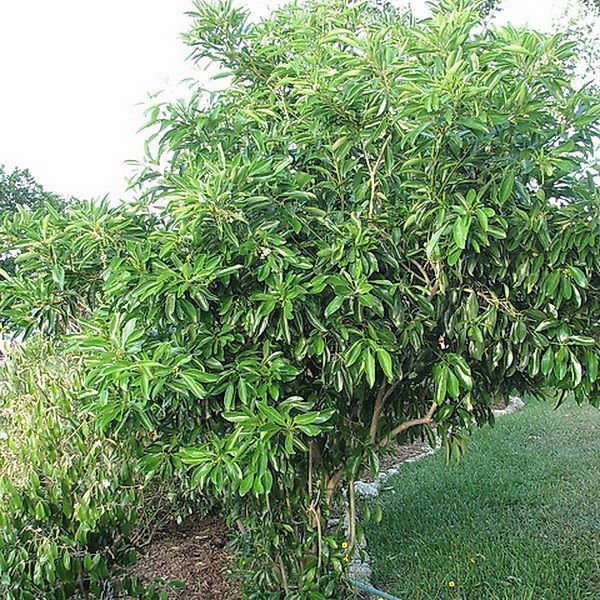
shrub

Size:

12 - 25 feet ft tall by to 12 feet ft wide

Life Span:

Long-lived perennial

Flower Color:

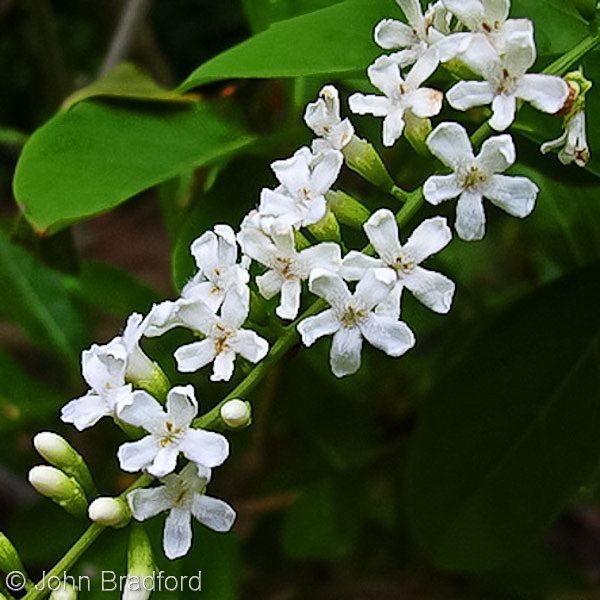
white

Fruit Color:

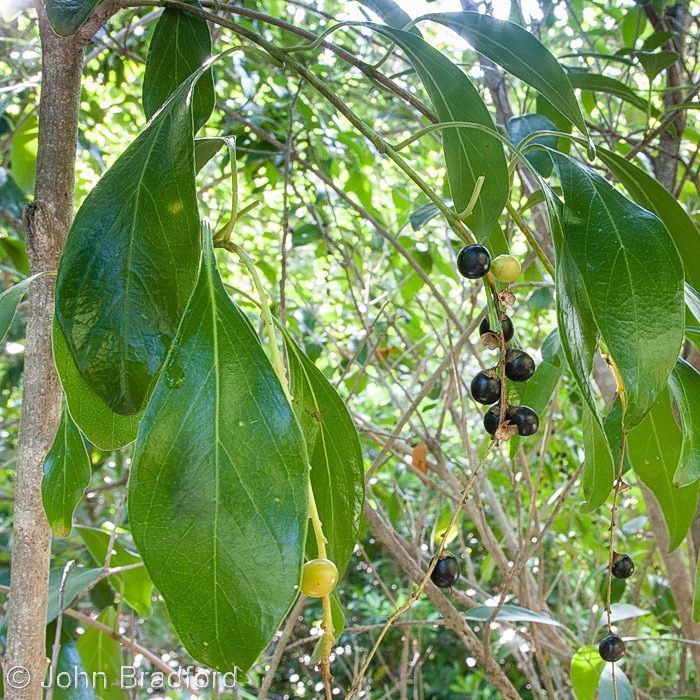
young fruits orange, mature to brown

Phenology:

Evergreen. Dioecious. Flowers and fruits throughout the year. Moderately long lived (Nelson 2003)

Noted For:

Showy Flowers, Showy Fruits, Aroma/Showy Fruitsagrance, Hurricane Wind Resistance

Landscaping

Recommended Uses:

Wonderful in a mixed hedge, can be sheared to desired height, but the flowers and berries are too good to be missed. Excellent specimen plant. This plant is naturally multi-stemmed; to form a tree, the stems must be continually reduced to one until a trunk is formed.

Considerations:

Availability:

Quality Nurseries, Native Nurseries, FNPS Plant Sales, Specialty Provider, Friends

Propagation:

Seeds, cuttings

Light:

Full Sun, Part Sun

Moisture Tolerance:

Always Flooded------------------------------------------------Extremely Dry

Coming Soon!

Somewhat moist, no flooding ---to--- Somewhat long very dry periods

Salt Water Flooding Tolerance:

Unknown

Salt Spray/Salty Soil Tolerance:

Low/no tolerance of salty wind or direct salt spray

Soil or Other Substrate:

Sand

Soil pH:

5.0 - 8.0

Suitable to Grow In:

9B,10A,10B,11

Ecology

Wildlife:

Pollinators, Butterflies, Caterpillars, Birds, Mammals

Larval host for fiddlewood leafroller moth ( Epicorsia oedipodalis ) ( Institute for Regional Conservation).


Nectar plant for butterflies.


Attracts bee pollinators.

Berries eaten by many species of bids and other wildlife.

Native Habitats:

Dry sites. Pinelands, maritime and sub-tropical or tropical hammocks

Natural Range in Florida:

Comments:

Ethnobotany:

The strong and heavy wood of this plant are also the source of its name - it has long been used for musical instruments, including violins, guitars and others.

General Comments:

The shiny green leaves, gently fragrant flowers and glossy berries make this a charming plant. Can occasionally be subject to defoliation by the moth larvae, but these are an excellent food source for birds and their nestlings, and the fiddlewood regenerates quickly.
