


Nomenclature
Common Name:
Synonym(s):
Genus species:
Family:
Combretaceae
Plant Specifics
Form:
Size:
Life Span:
Long-lived perennial
Flower Color:
Fruit Color:
Phenology:
Noted For:
Landscaping
Recommended Uses:
Considerations:
Availability:
Propagation:
Light:
Moisture Tolerance:
Always Flooded------------------------------------------------Extremely Dry
Coming Soon!
Usually moist, occasional inundation ---to--- Somewhat long very dry periods
Salt Water Flooding Tolerance:
Unknown
Salt Spray/Salty Soil Tolerance:
High. Can tolerate significant and ongoing amounts of salt.
Soil or Other Substrate:
Sand, Lime Rock
Soil pH:
Suitable to Grow In:
9B,10A,10B,11
Ecology
Wildlife:
Nectar source and larval host plant for martial scrub hairstreak ( Strymon martialis ) and tantalus sphinx ( Aellopos tantalus ) .
Nectar plant for amethyst hairstreak ( Chlorostrymon maesites ) and other butterflies.
Attracts bees ( http://www.tcbeekeepers.org/ ).
The seeds are primarily dispersed by water.
Native Habitats:
Natural Range in Florida:
Visit the USF Libraries Atlas of Florida Plants
Comments:
Ethnobotany:
General Comments:
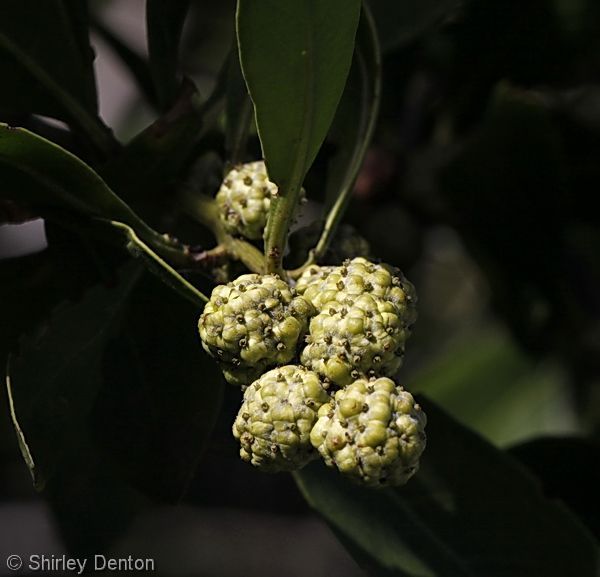
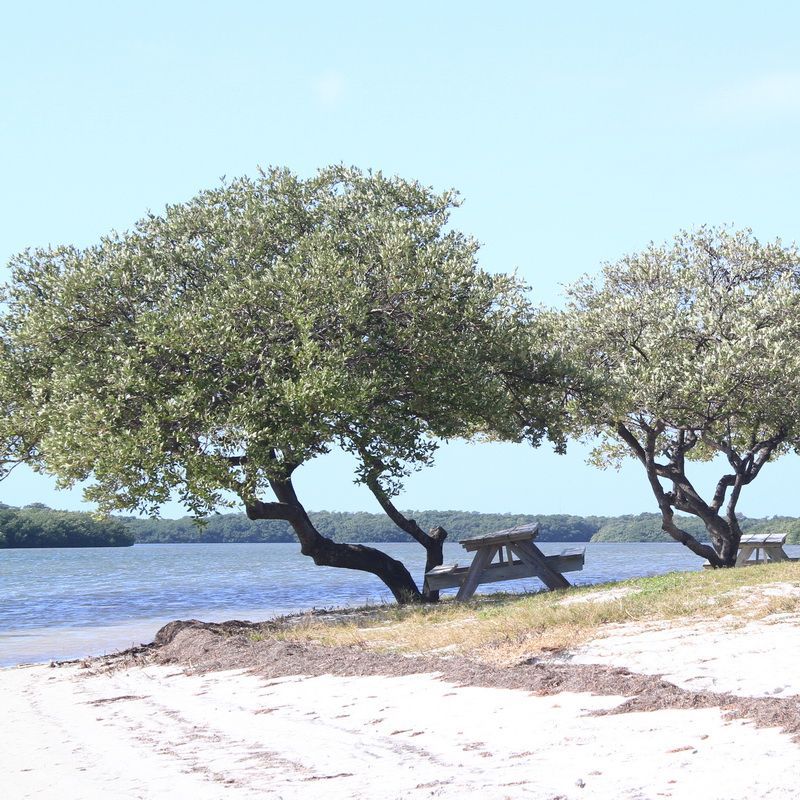
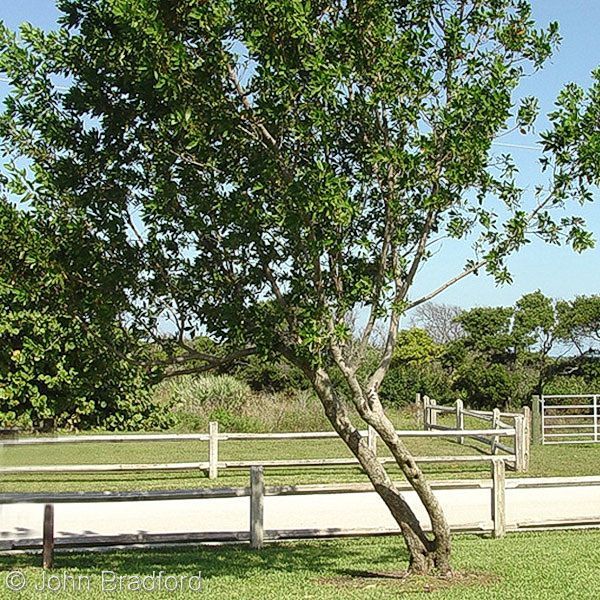
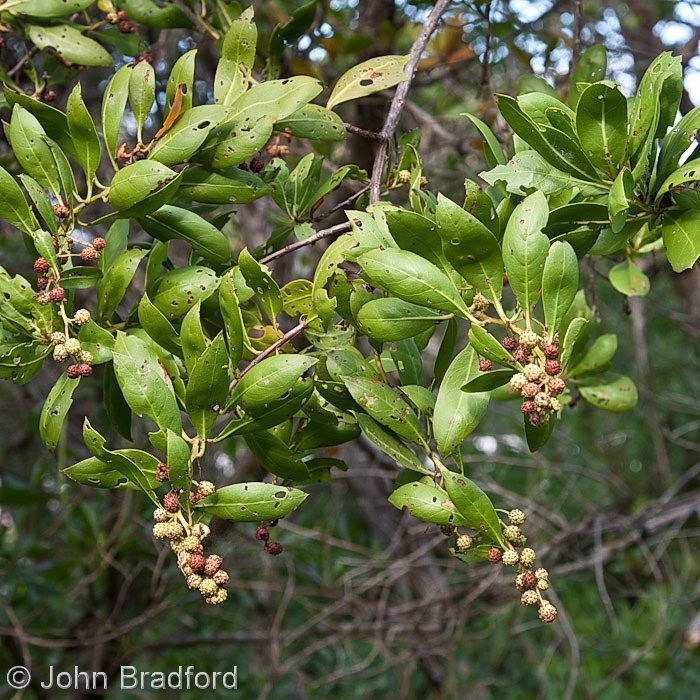
Two color morphs, green and silver.
Since it often occurs along the upland margin of mangrove swamps, it is sometimes referred to as the 4th Florida mangrove.
The silver morph is generally smaller and shrubbier than the green morph.

