
Nomenclature
Common Name:
Synonym(s):
Genus species:
Family:
Cactaceae
Plant Specifics
Form:
Size:
Life Span:
Long-lived perennial
Flower Color:
Fruit Color:
Phenology:
Noted For:
Landscaping
Recommended Uses:
Considerations:
Availability:
Propagation:
Light:
Moisture Tolerance:
Always Flooded------------------------------------------------Extremely Dry
Coming Soon!
Usually moist, occasional inundation ---to--- Short very dry periods
Salt Water Flooding Tolerance:
Unknown
Salt Spray/Salty Soil Tolerance:
Some tolerance to salty wind but not direct salt spray
Soil or Other Substrate:
Lime Rock
Soil pH:
Suitable to Grow In:
10A,10B,11
Ecology
Wildlife:
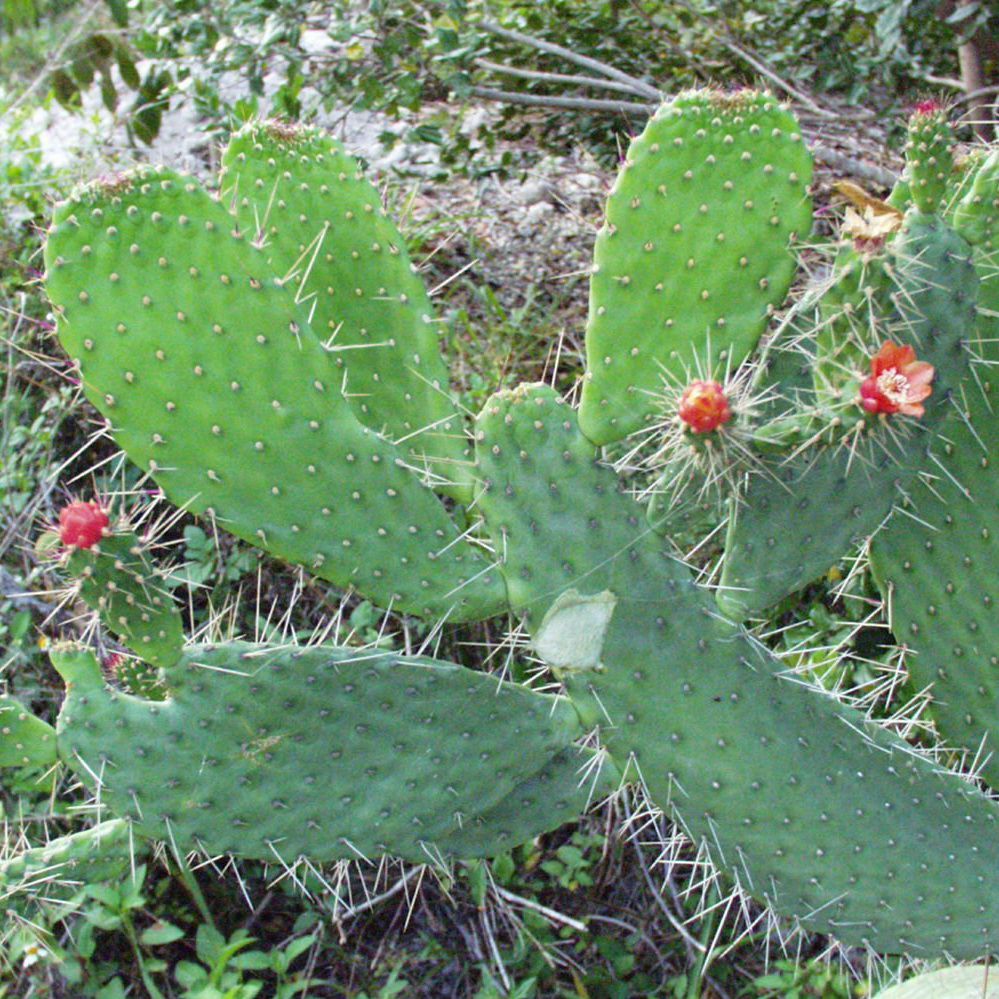
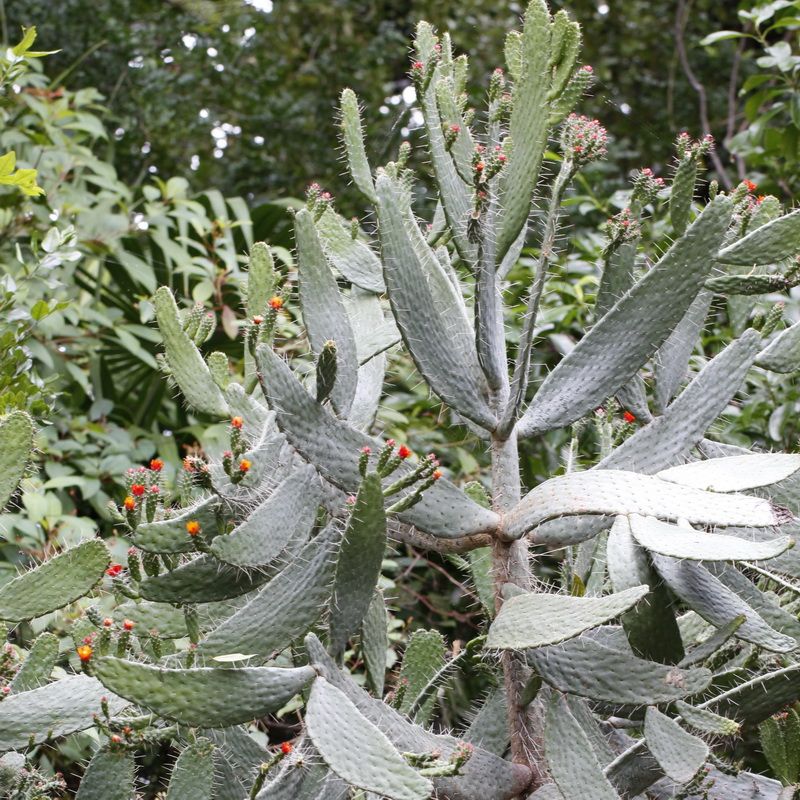
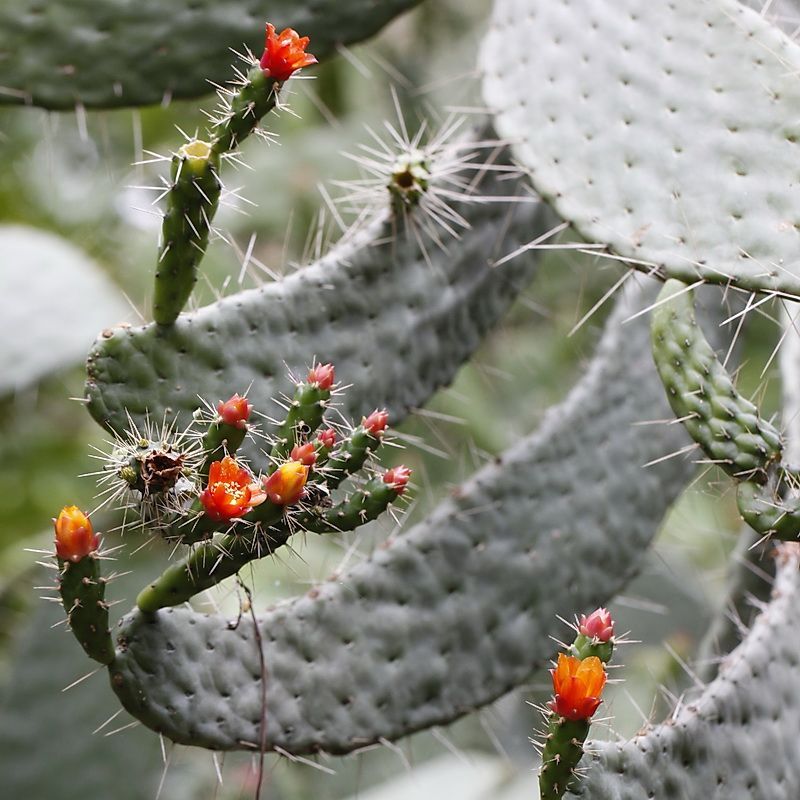
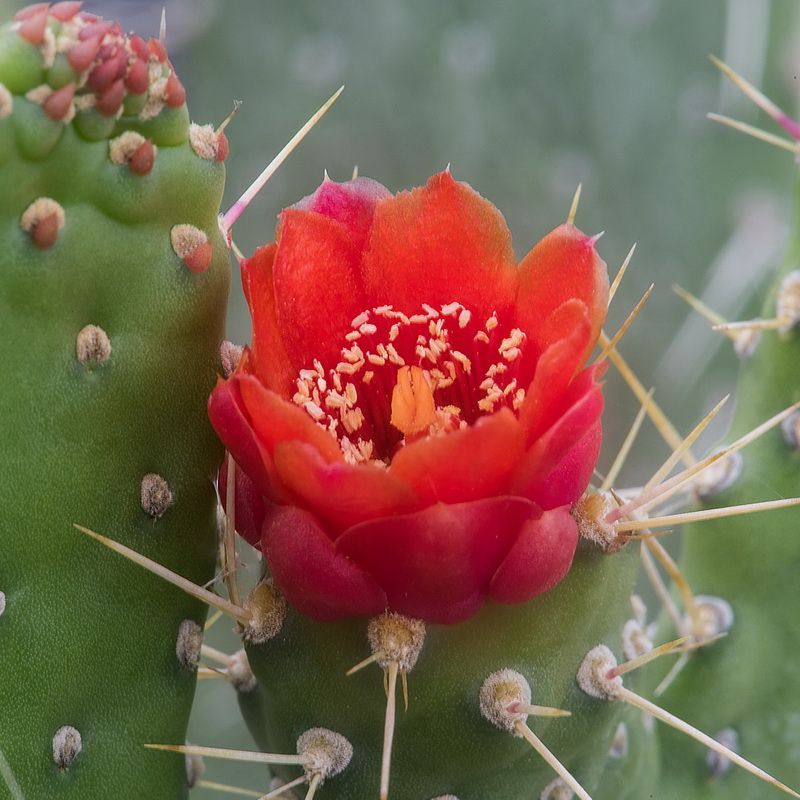
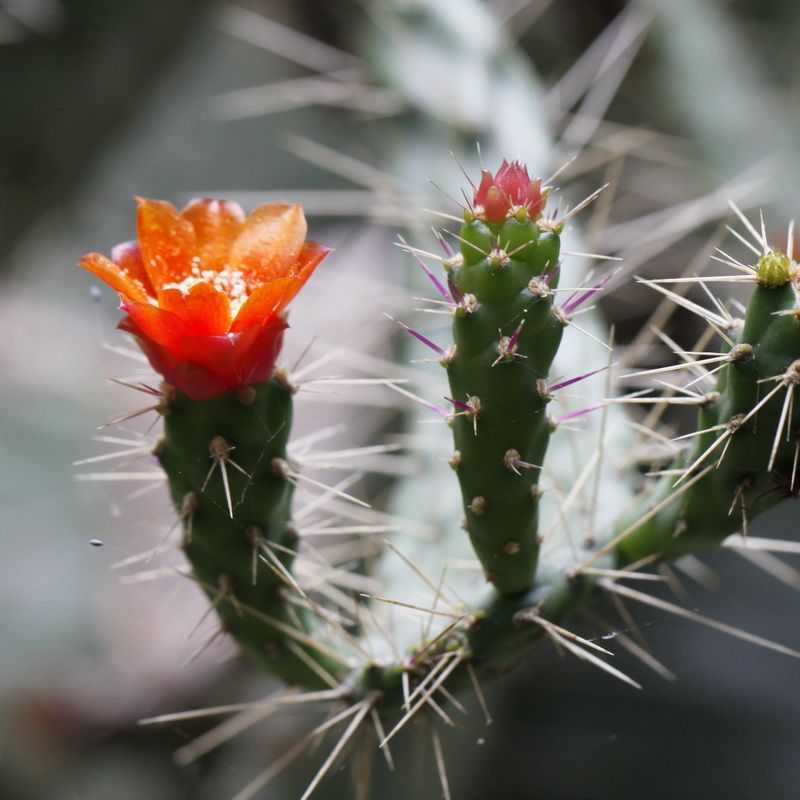
Consolea corallicola has extremely low genetic diversity as the only two natural populations are clones (both functionally male). Currently propagated by planting pads.
Native Habitats:
Natural Range in Florida:
Visit the USF Libraries Atlas of Florida Plants
Comments:
Ethnobotany:
General Comments:
This is an ENDANGERED plant (listed both Florida and US). Please acquire this endemic plant only from a reputable source.
One of several cactus species that is attacked by the cactus moth, Cactoblastis cactorum, which arrived in Florida in 1989, and this invasive species has become a serious threat to the diversity and abundance of Consolea corallicola and Opuntia
cacti in North America.

