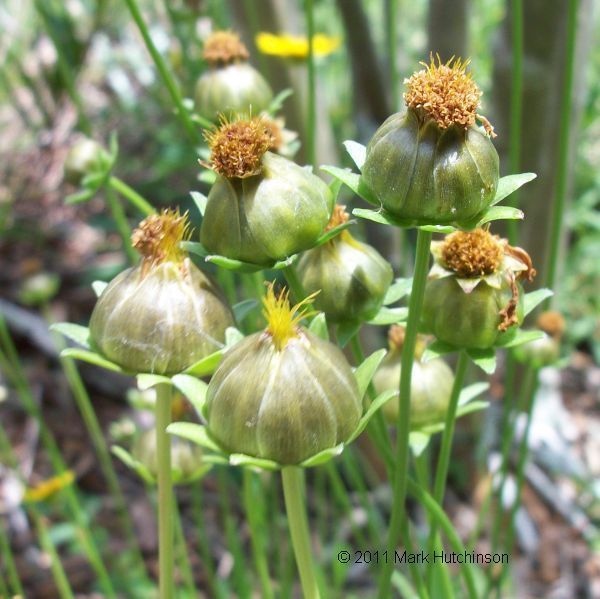
Photo by: Mark Hutchinson, Hernando Chapter, FNPS
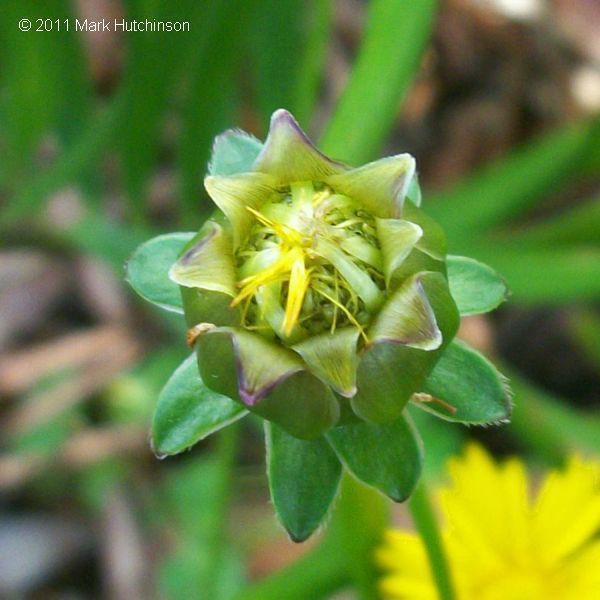
Photo by: Mark Hutchinson, Hernando Chapter, FNPS
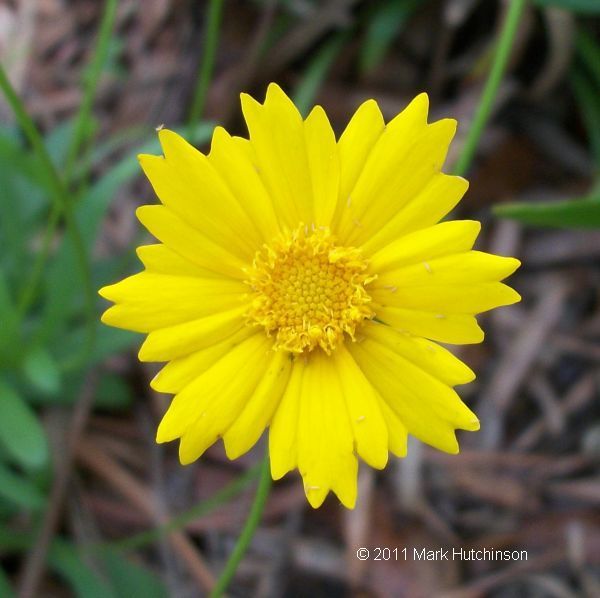
Photo by: Mark Hutchinson, Hernando Chapter, FNPS
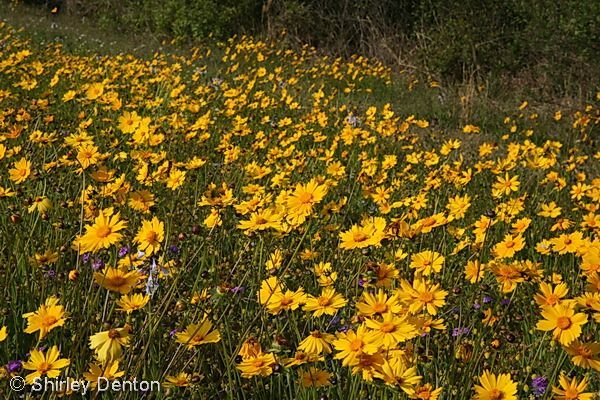
Photo by: Shirley Denton, Suncoast Chapter FNPS
Nomenclature
Common Name:
lance-leaved tickseed
Synonym(s):
Genus species:
Coreopsis lanceolata
Family:
Asteraceae (Compositae)
Plant Specifics
Form:
flower
Size:
1.5 - 2.5 ft tall by .5 - 1.5 ft wide
Life Span:
Long-lived perennial
Flower Color:
yellow
Fruit Color:
brown
Phenology:
winter dormant. Mostly blooms in spring.
Noted For:
Showy Flowers
Landscaping
Recommended Uses:
Wildflower beds, butterfly gardens or meadows.
Considerations:
Will self-seed and so could become weedy.
Availability:
Native Nurseries, FNPS Plant Sales, Seed
Propagation:
Seed and division. Seeds are available through the Florida Wildflowers Growers Cooperative.
Light:
Full Sun, Part Sun
Moisture Tolerance:
Always Flooded------------------------------------------------Extremely Dry
Coming Soon!
Somewhat moist, no flooding ---to--- Not wet but not extremely dry
Salt Water Flooding Tolerance:
Unknown
Salt Spray/Salty Soil Tolerance:
Low/no tolerance of salty wind or direct salt spray
Soil or Other Substrate:
Sand
Soil pH:
6.0 - 7.0
Suitable to Grow In:
8B,9A,9B,10A,10B,11
Ecology
Wildlife:
Pollinators, Butterflies
Attracts butterflies and pollinators.
Native Habitats:
Sandhills, edges of cypress swamps and marshes, ruderal areas.
Natural Range in Florida:
Visit the USF Libraries Atlas of Florida Plants
Comments:
Ethnobotany:
General Comments:
In central Florida, lanceleaf has a relatively short blooming period compared to Leavenworth's tickseed - wrapping things up by mid-summer, whereas C. Leavenworthii
is still flowering come Fall. Coreopsis is the state wildflower.

