Nomenclature

Common Name:

flowering dogwood

Synonym(s):

Genus species:

Cornus florida

Family:

Cornaceae

Plant Specifics

Form:

tree

Size:

25-30 ft tall by 15-25 ft wide

Life Span:

Long-lived perennial

Flower Color:

white

Fruit Color:

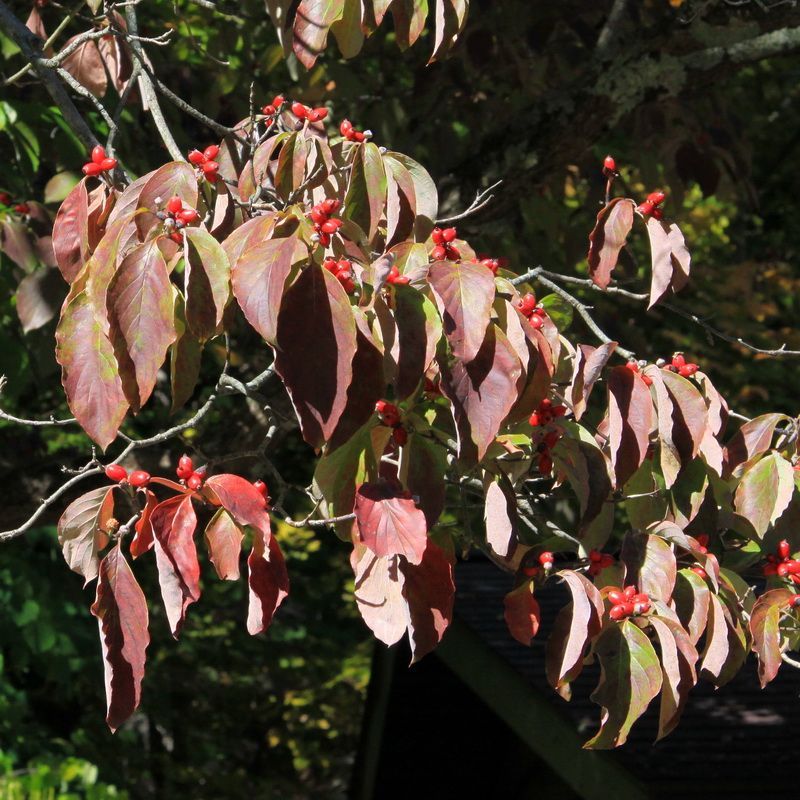
red

Phenology:

Deciduous. Blooms in spring. Fruits ripen in fall. Life span potentially up to 125 yrs but usually much shorter in cultivation (Nelson 2003).

Noted For:

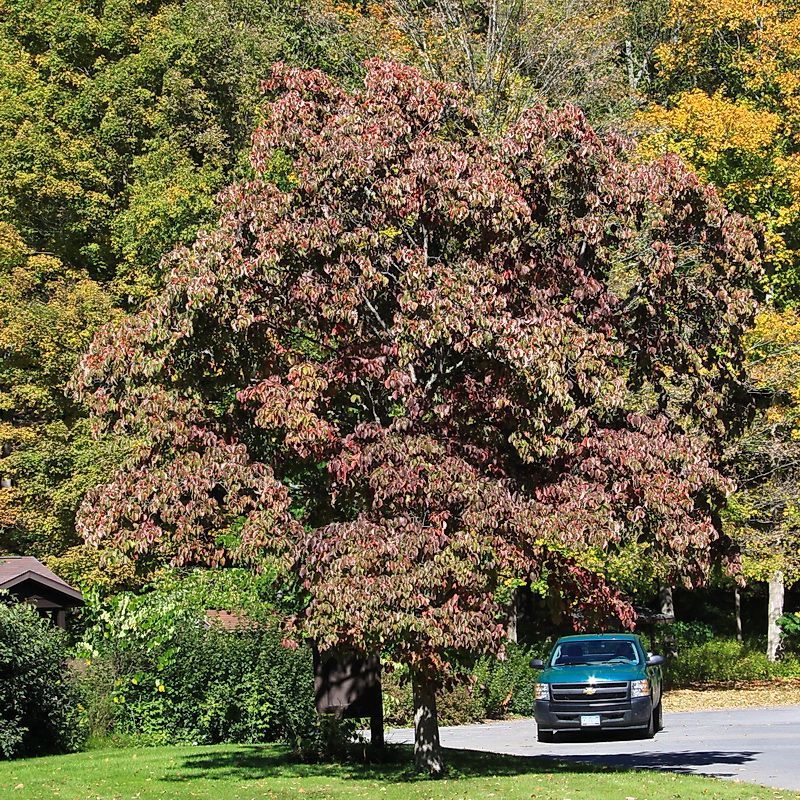
Showy Flowers, Showy Fruits, Hurricane Wind Resistance, Fall Color

Landscaping

Recommended Uses:

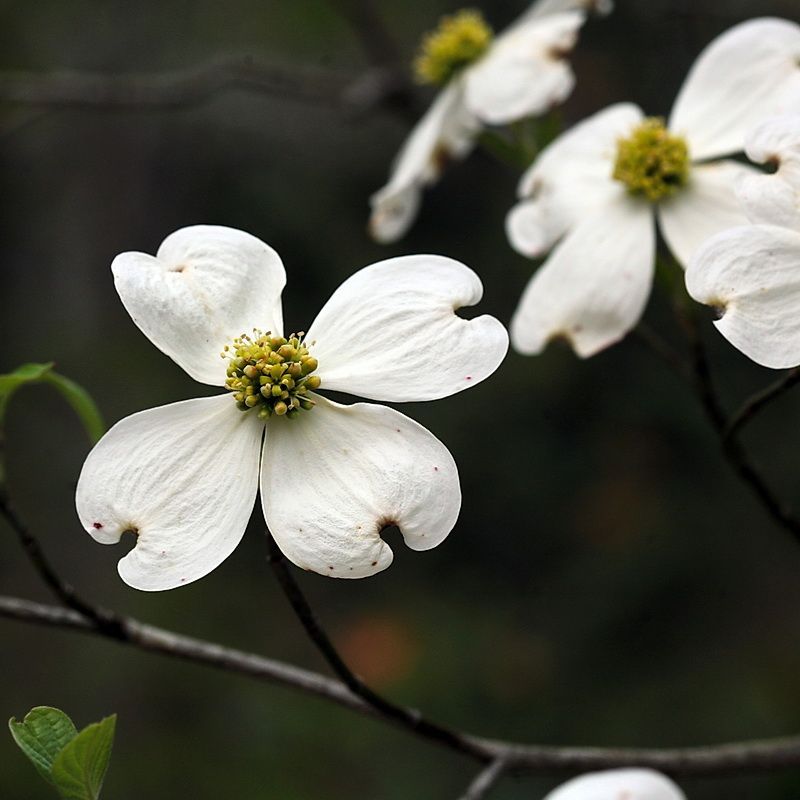
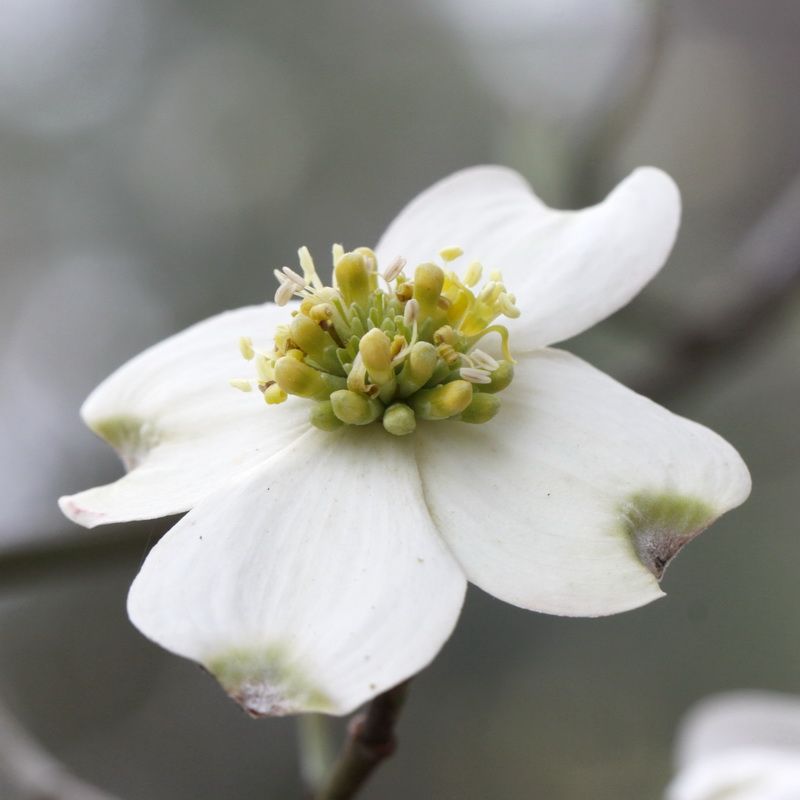
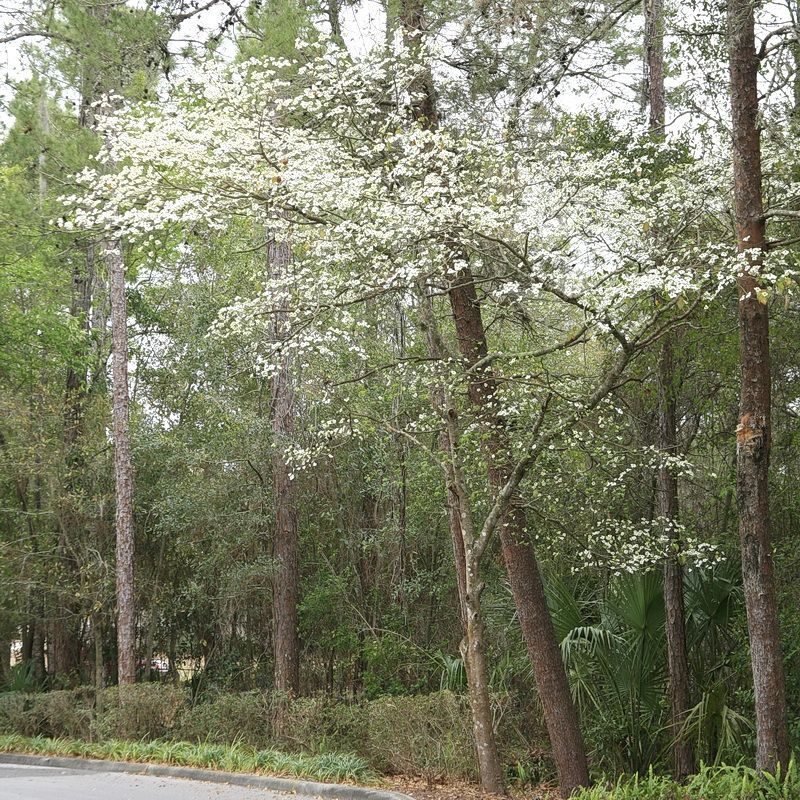
Specimen tree. It is known for its showy white "flowers" in the spring. What appears to be the flower petals are actually large bracts. The true flowers occur in a group in the center of the bracts. They are small and yellow-green.

Considerations:

Very sensitive to appropriate soils. Does poorly in neutral or alkaline soils. Dogwoods do not tolerate heavy foot traffic or extra soil piled around their root areas.

Availability:

Big Box Stores, Quality Nurseries, Native Nurseries, FNPS Plant Sales

Propagation:

Seed.

Light:

Part Sun

Moisture Tolerance:

Always Flooded------------------------------------------------Extremely Dry

Coming Soon!

Somewhat moist, no flooding ---to--- Short very dry periods

Salt Water Flooding Tolerance:

Unknown

Salt Spray/Salty Soil Tolerance:

Low/no tolerance of salty wind or direct salt spray

Soil or Other Substrate:

Sand, Loam

Soil pH:

Acidic

Suitable to Grow In:

8A,8B,9A,9B

Ecology

Wildlife:

Pollinators, Butterflies, Caterpillars, Birds, Mammals

Attracts long-tongued bees, short-tongued bees, wasps, flies, and butterflies. 


Larval host for cecropia silkmoth ( Hyalophora cecropia ) and spring azure butterfly ( Celastrina ladon ).  

 Birds and small mammals consume the fruit

Native Habitats:

Mesic hardwood forests, pine-oak-hickory woods, mesic longleaf pinelands.

Natural Range in Florida:

Comments:

Ethnobotany:

The bright red fruits are poisonous to humans but have been used as dyes. The wood is hard and has been values by artisans.

General Comments:

This species may not survive well near the southern end of its range especially if grown in full sun and droughty conditions. And even if it does survive, it does not have the impact that it does in the north, where the flowers stand out in the landscape before any leaves emerge in the spring.
