
Nomenclature

Common Name:

green ash

Synonym(s):

Genus species:

Fraxinus pennsylvanica

Family:

Oleaceae

Plant Specifics

Form:

tree

Size:

50-80 ft tall by 30 ft wide.  Trunk 18-30 inches dbh.

Life Span:

Long-lived perennial

Flower Color:

NA

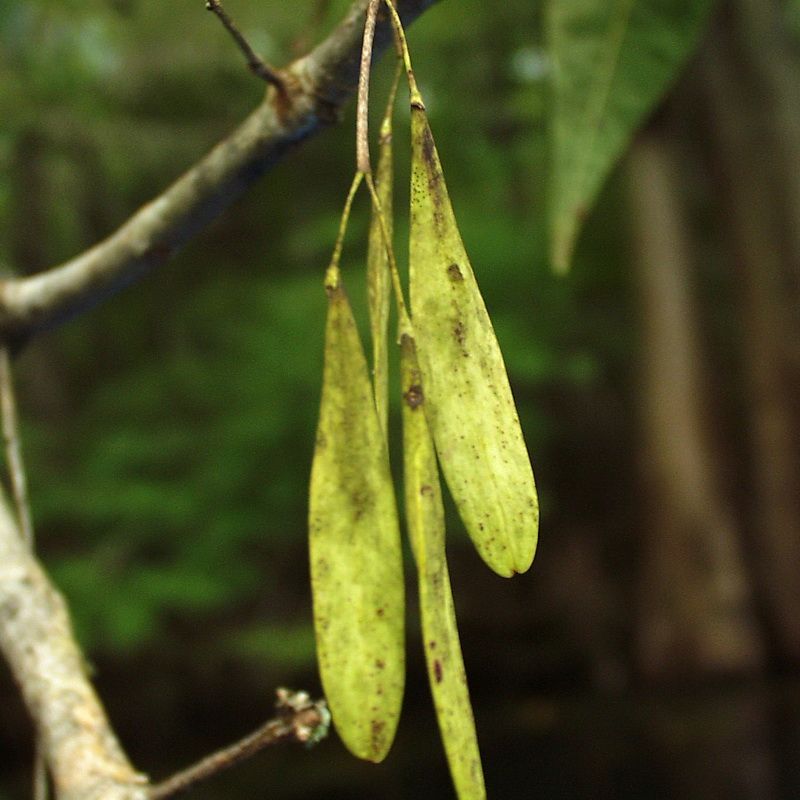
Fruit Color:

brown

Phenology:

Deciduous. Blooms in spring. Fruits ripen summer-fall.

Noted For:

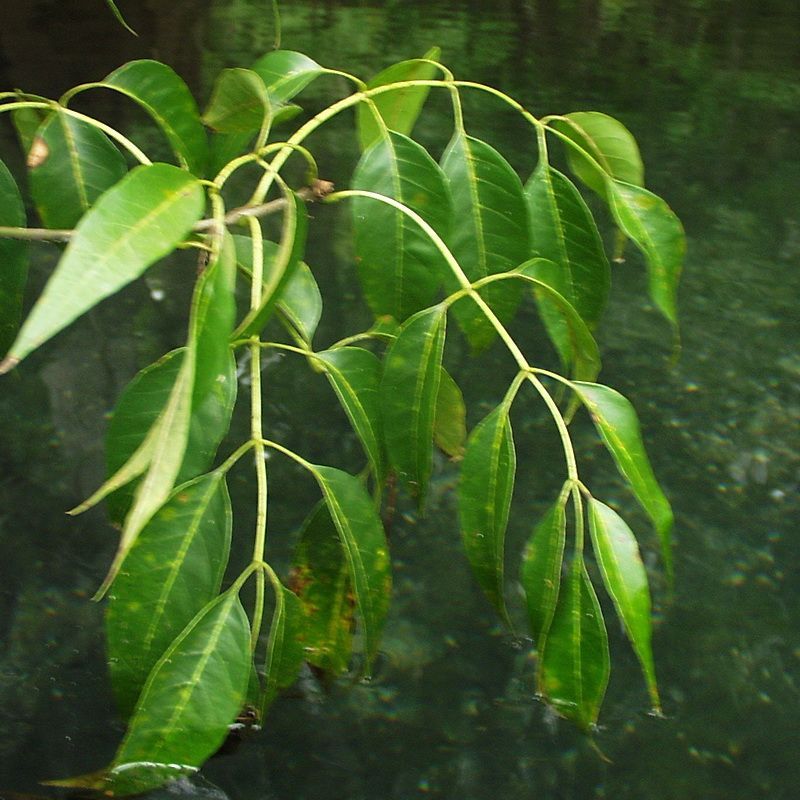
Interesting Foliage

Landscaping

Recommended Uses:

Appropriate for edges of lakes and ponds. Will also grow as a shade tree in uplands, but white ash has better form. Can be used in settings with soil disturbance.

Considerations:

Fairly weak and often irregular in shape.

Availability:

Native Nurseries, Seed

Propagation:

Seed

Light:

Full Sun, Part Sun

Moisture Tolerance:

Always Flooded------------------------------------------------Extremely Dry

Coming Soon!

Usually moist, occasional inundation ---to--- Not wet but not extremely dry

Salt Water Flooding Tolerance:

Unknown

Salt Spray/Salty Soil Tolerance:

Moderate. Tolerant of salty wind and may get some salt spray.

Soil or Other Substrate:

Sand, Clay, Loam

Soil pH:

Adaptable

Suitable to Grow In:

8A,8B,9A,9B

Ecology

Wildlife:

Caterpillars, Birds

Larval host for eastern tiger swallowtail ( Papilio glaucus ), mourning cloak ( Nymphalis antiopa ), orange sulphur ( Colias eurytheme ), and viceroy ( Limenitis archippus ).

Rodents and birds such as cardinals consume seed. 

Native Habitats:

Moist-dry sites. Floodplains and swamps.

Natural Range in Florida:

Comments:

Ethnobotany:

General Comments:

The Emerald Ash Borer (Agrilus planipennis)is a very destructive wood-boring beetle native to Asia. It was discovered in North America in July 2002, and has become established in Michigan, New York, Ohio and Ontario (Canada). Millions of ash trees have been killed in the northeastern US. Although the borer has not been detected in Florida (Dec. 2011), the presence of ash trees and the ongoing movement of wood, trees and cargo into the state make Florida an area where the beetle could potentially become established. Your help is needed to detect possible infestations so they can be quickly eradicated...if you see it, contact the Florida Division of Forestry.