


Nomenclature
Common Name:
Synonym(s):
Genus species:
Family:
Asteraceae (Compositae)
Plant Specifics
Form:
Size:
Life Span:
Long-lived perennial
Flower Color:
Fruit Color:
Phenology:
Noted For:
Landscaping
Recommended Uses:
Considerations:
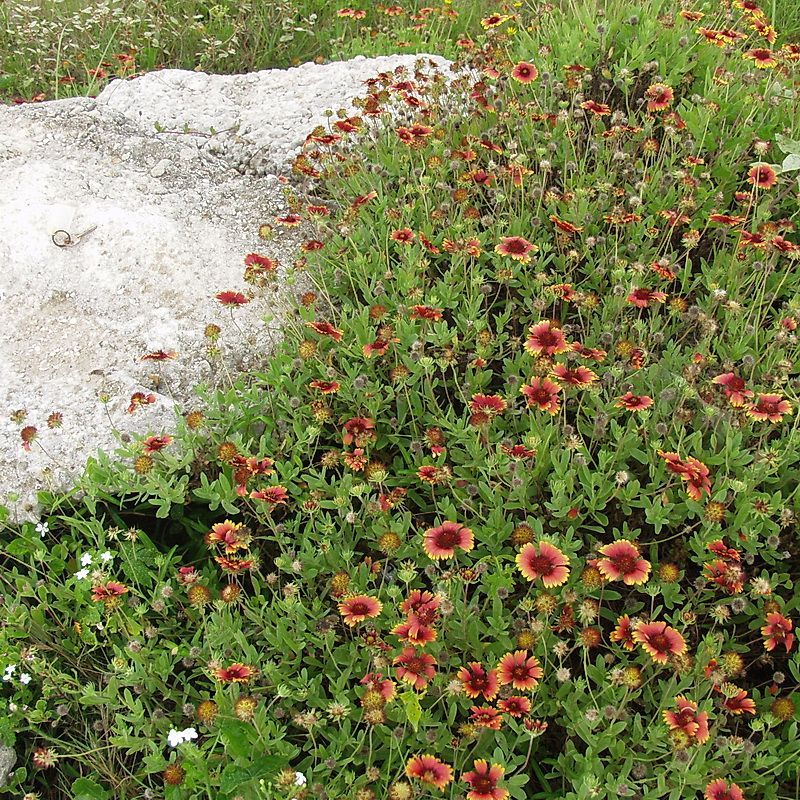
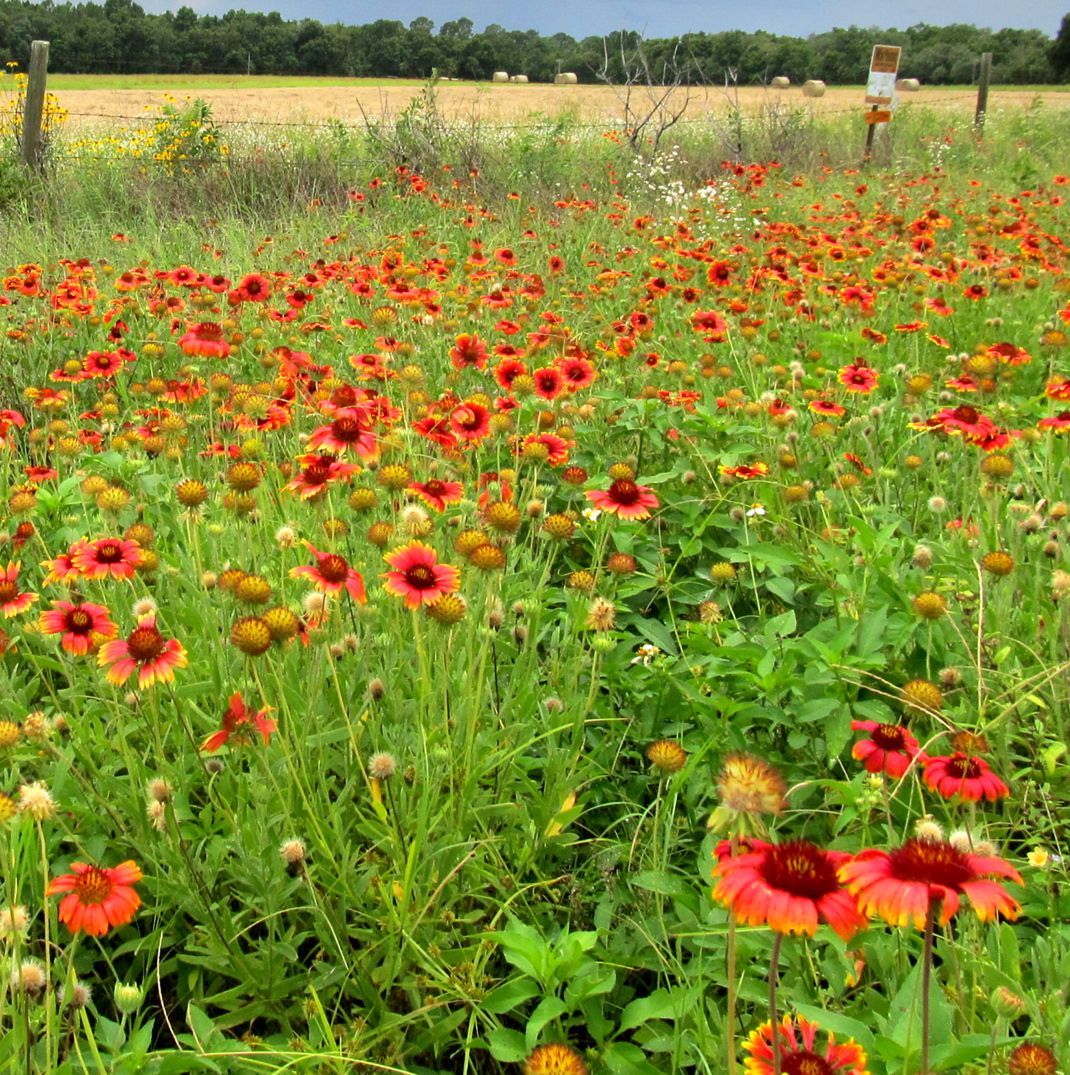
A series of studies in the last 10 years are suggesting that Gaillardia pulchella is likely not native to Florida. It is widely grown and naturalized in Florida especially near the coasts, but it is probably not native east of Texas (Weakley et al. 2020).
If you plant this plant, as many of have done, it is best to treat is as a non-invasive non-native. It is a North American native believed to have its native range in the south-central US.
Availability:
Propagation:
Light:
Moisture Tolerance:
Always Flooded------------------------------------------------Extremely Dry
Coming Soon!
Somewhat moist, no flooding ---to--- Very long very dry periods
Salt Water Flooding Tolerance:
Unknown
Salt Spray/Salty Soil Tolerance:
High. Can tolerate significant and ongoing amounts of salt.
Soil or Other Substrate:
Sand, Clay, Loam
Soil pH:
Suitable to Grow In:
8A,8B,9A,9B,10A,10B,11
Ecology
Wildlife:
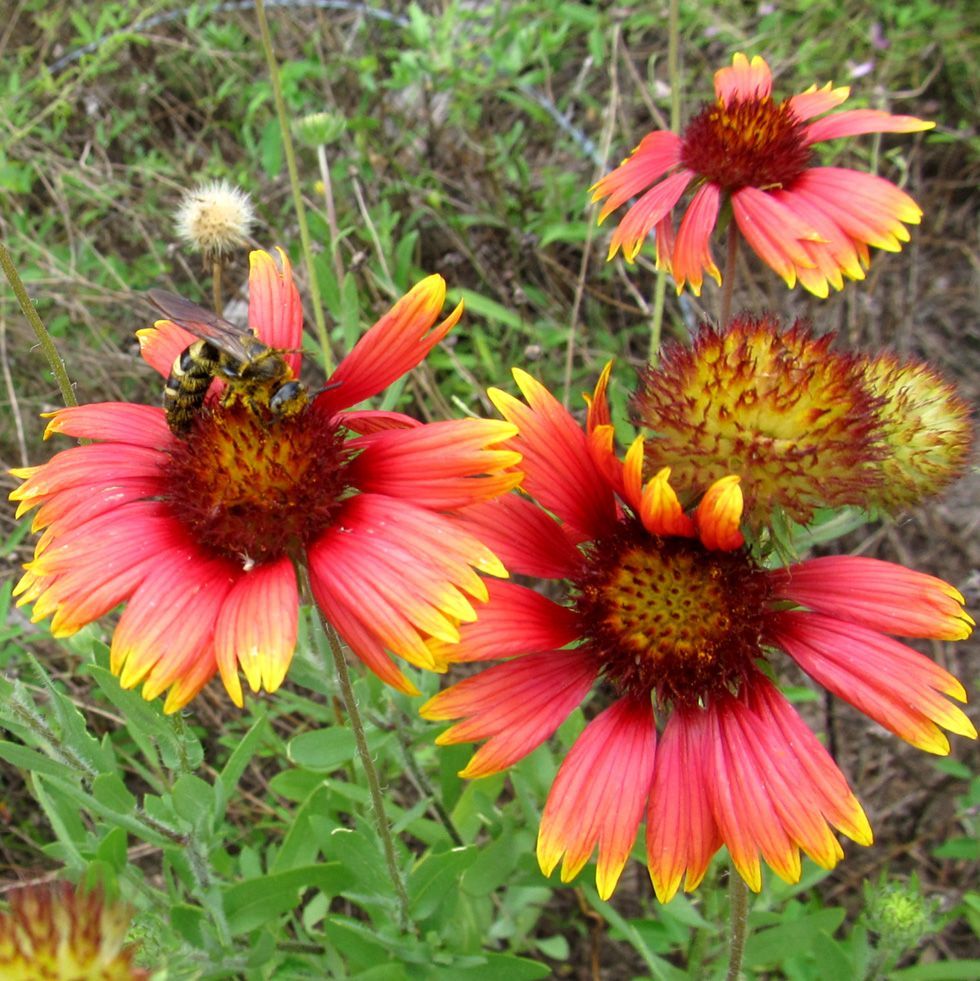
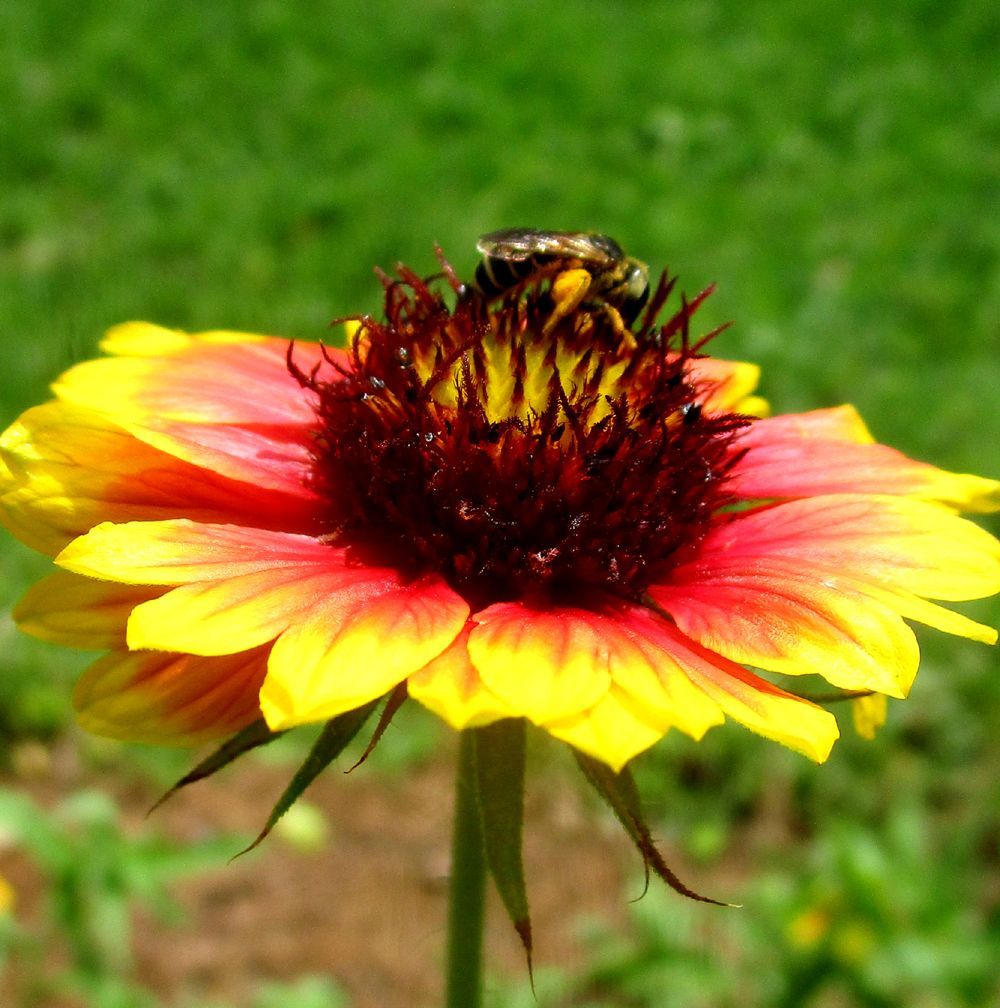
Attracts many pollinators including native bees, honeybees, butterflies, butterflies and wasps.
Birds that eat the seeds include chickadees, titmice, and warblers.
Native Habitats:
Natural Range in Florida:
Visit the USF Libraries Atlas of Florida Plants
Comments:
Ethnobotany:
General Comments:

