


Nomenclature
Common Name:
Synonym(s):
Genus species:
Family:
Chrysobalanaceae
Plant Specifics
Form:
Size:
Life Span:
Long-lived perennial
Flower Color:
Fruit Color:
Phenology:
Noted For:
Landscaping
Recommended Uses:
Considerations:
Availability:
Propagation:
Light:
Moisture Tolerance:
Always Flooded------------------------------------------------Extremely Dry
Coming Soon!
Not wet but not extremely dry ---to--- 1Stays wet
Salt Water Flooding Tolerance:
Unknown
Salt Spray/Salty Soil Tolerance:
Moderate. Tolerant of salty wind and may get some salt spray.
Soil or Other Substrate:
Sand
Soil pH:
Suitable to Grow In:
9A,9B,10A,10B,11
Ecology
Wildlife:
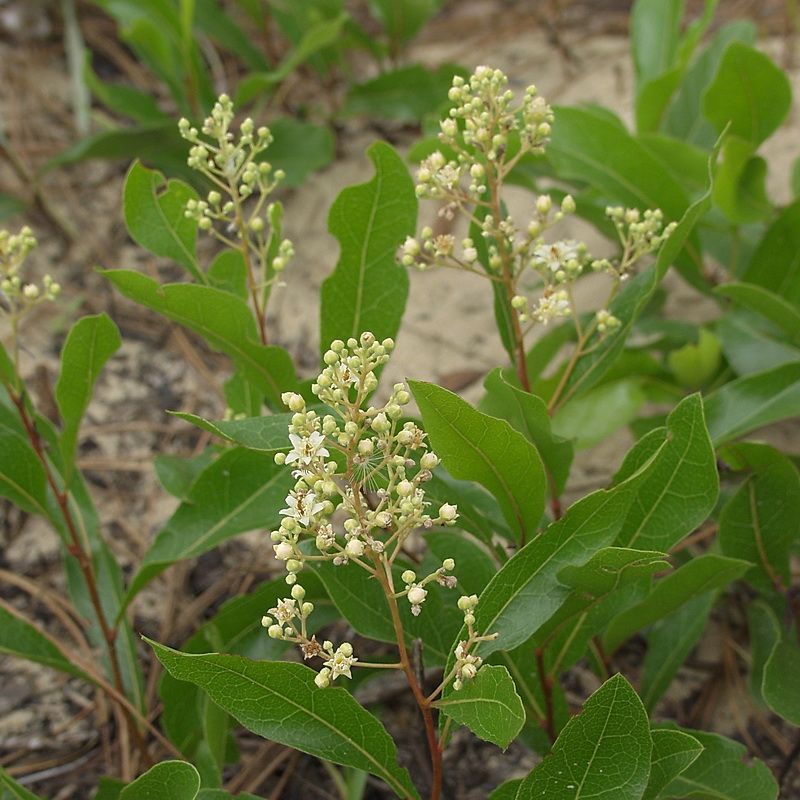
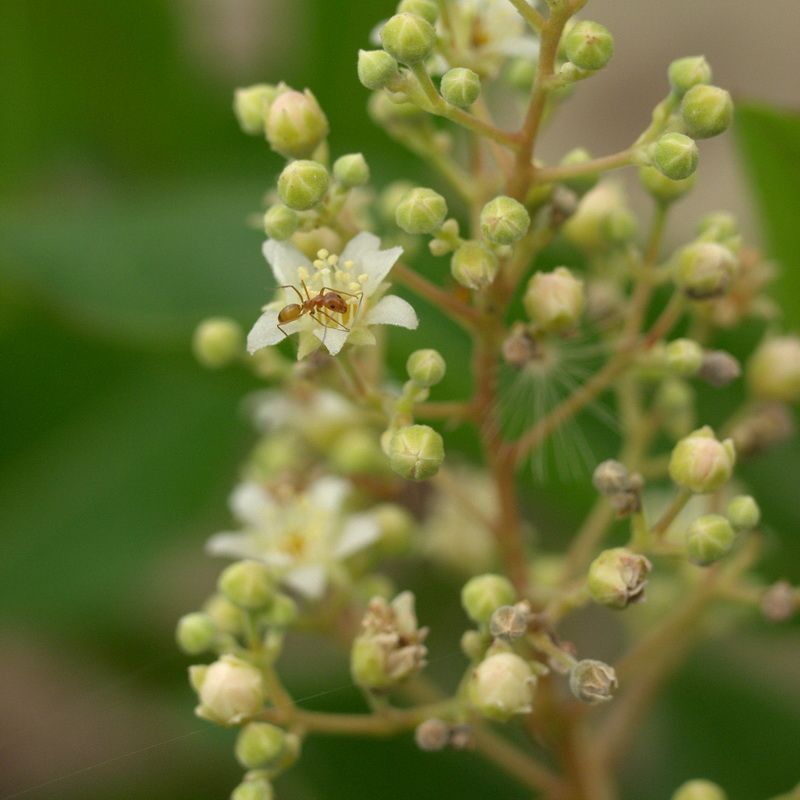
Butterflies including buckeyes, rattlebox moths, wasps, ants and bees use the flowers. Bees are the primary pollinators. Documented bees include Colletes sp. A, Agaposternon splendens, Augochlorella aurata, Augochloropsis metallica, A. sumptuosa, Dialictus nyinphalis, Sphecodes heraclei, Megachile brevispseudobrevis, Epeoluszonatus and Apis inellifera (Deyrup et al. 2002)
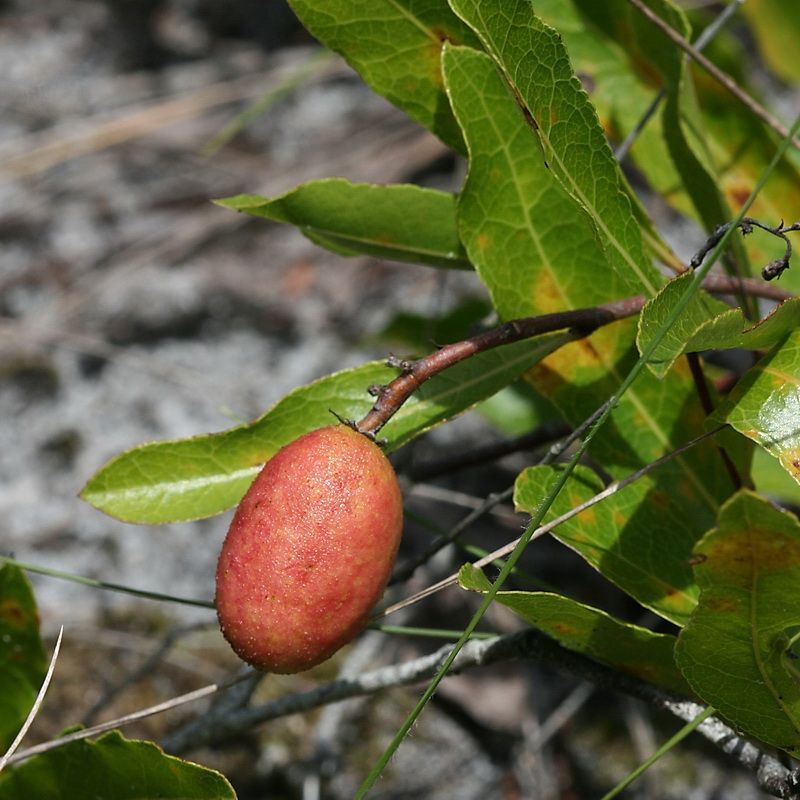
Fruits are eaten by small mammals and gopher tortoises.
Native Habitats:
Natural Range in Florida:
Visit the USF Libraries Atlas of Florida Plants
Comments:
Ethnobotany:
General Comments:

