

Nomenclature
Common Name:
Synonym(s):
Genus species:
Family:
Aquifoliaceae
Plant Specifics
Form:
Size:
Life Span:
Long-lived perennial
Flower Color:
Fruit Color:
Phenology:
Noted For:
Landscaping
Recommended Uses:
Considerations:
Availability:
Propagation:
Light:
Moisture Tolerance:
Always Flooded------------------------------------------------Extremely Dry
Coming Soon!
Usually moist, occasional inundation ---to--- Somewhat long very dry periods
Salt Water Flooding Tolerance:
Unknown
Salt Spray/Salty Soil Tolerance:
Low/no tolerance of salty wind or direct salt spray
Soil or Other Substrate:
Sand
Soil pH:
Suitable to Grow In:
8A,8B,9A,9B,10A,10B
Ecology
Wildlife:
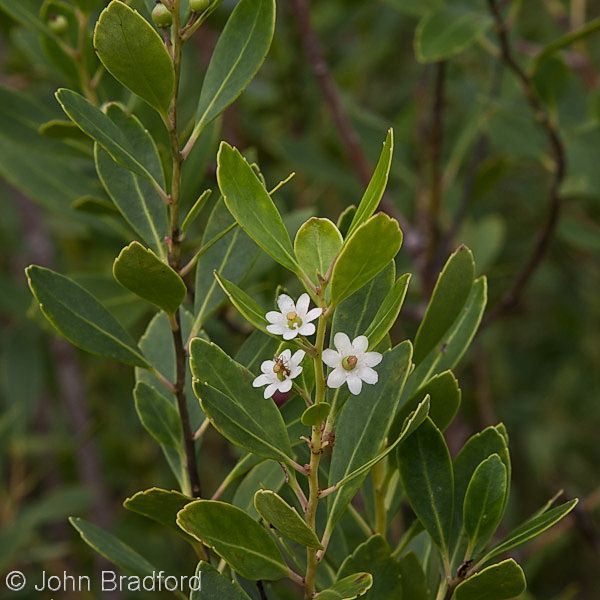
Bees pollinate flowers. Documented bees include Colletes banksi, C. brimleyi, C. inandibularis, C. nudus, Perdita floridensis, Agapostemon splendens, Augochlora pura, Augochloropsis anonyma, A. metallica, Dialictus coreopsis, D. miniatulus, D. nyinphalis, D. placidensis, D. tegularis, Sphecodes brachycephalus, S. heraclei, Anthidiellum notatum rufimaculatum, A. perplexum, Anthidium maculifrons, Coelioxys sayi, Dianthidium floridiense, Megachile albitarsis, M. brevis pseudobreuis, M. exilis parexilis, M. mendica, M. petulans, M. policaris, M. rugifrons, M. texana, M. xylocopoides, Epeolus erigeronis, E. glabratus, E. pusillus, E. zonatus, Apis mellifera (honeybee), Bombus impatiens, Xylocopa micans and X. virginica krombeini (Deyrup et al. 2002).
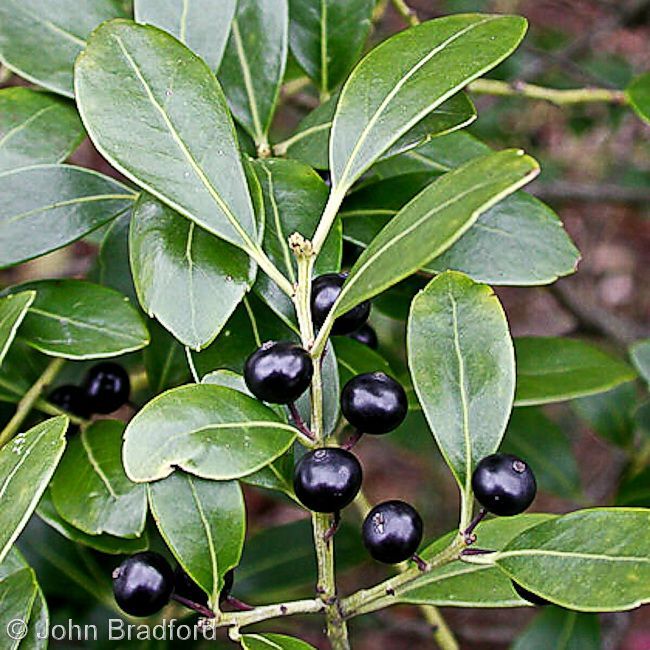
Fruits are eaten by birds though it is bitter and often eaten as a last resort.
Native Habitats:
Natural Range in Florida:
Visit the USF Libraries Atlas of Florida Plants
Comments:
Ethnobotany:
General Comments:

