

Nomenclature
Common Name:
Synonym(s):
Genus species:
Family:
Juglandaceae
Plant Specifics
Form:
Size:
Life Span:
Long-lived perennial
Flower Color:
Fruit Color:
Phenology:
Noted For:
Landscaping
Recommended Uses:
Considerations:
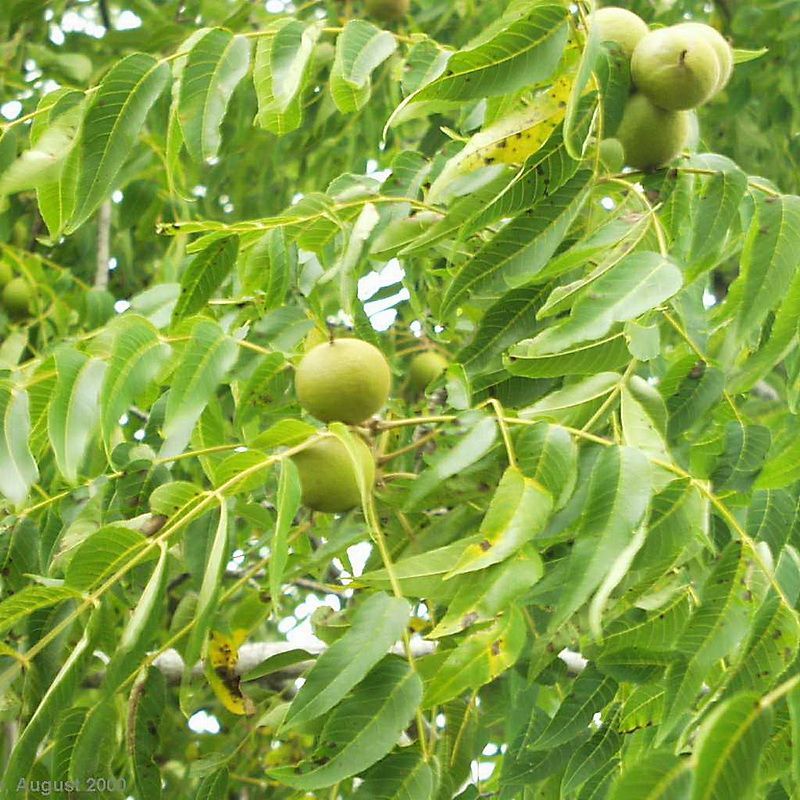
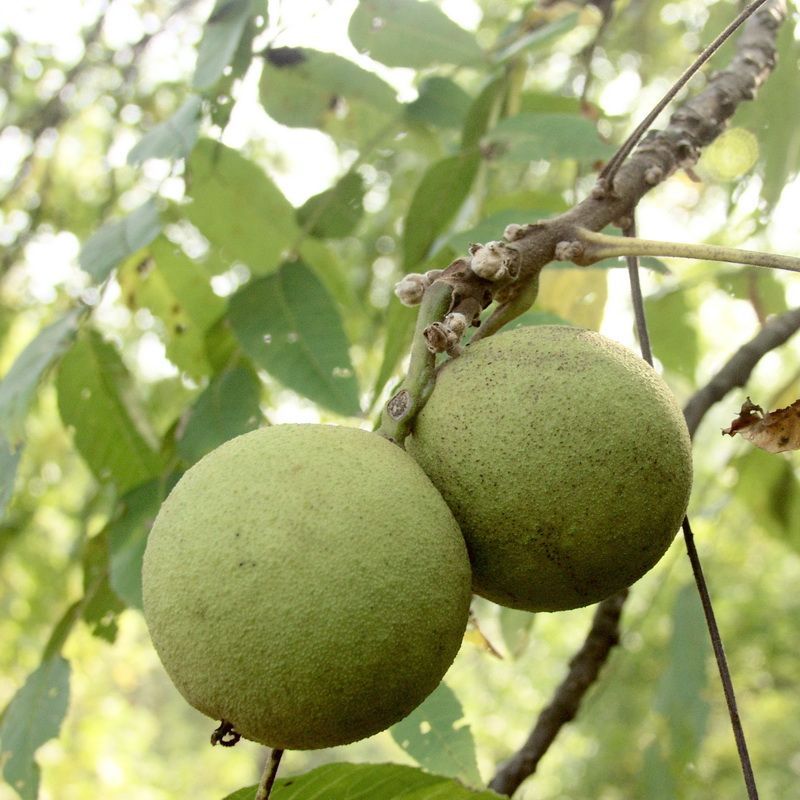
Nuts can be abundant on the ground in fall.
Husks can stain.
Tree roots, nuts, and leaves exude an effective herbicide (juglone) to reduce competition. Use with care in the landscape, it can poison birches and many herbaceous plants.
Availability:
Propagation:
Light:
Moisture Tolerance:
Always Flooded------------------------------------------------Extremely Dry
Coming Soon!
Somewhat moist, no flooding ---to--- Somewhat long very dry periods
Salt Water Flooding Tolerance:
Unknown
Salt Spray/Salty Soil Tolerance:
Moderate. Tolerant of salty wind and may get some salt spray.
Soil or Other Substrate:
Sand, Clay, Loam
Soil pH:
Suitable to Grow In:
8A,8B
Ecology
Wildlife:
Seeds eaten by squirrels and other odents. May be a significant food the fox squirrels ( https://www.fs.fed.us/database/feis/plants/tree/jugnig/all.html )
Native Habitats:
Natural Range in Florida:
Visit the USF Libraries Atlas of Florida Plants
Comments:
Ethnobotany:
Valuable for lumber which is often used for cabinetry.
People eat the nuts, but they are difficult to extract from their shells.
General Comments:
- Will not produce flowers/seed unless it gets adequate winter cold, hence not recommended for use south of its native range.
- Salt spray tolerance was based on comments about tolerance to winter road salt in the northeastern US.

