
Nomenclature
Common Name:
Synonym(s):
Genus species:
Family:
Magnoliaceae
Plant Specifics
Form:
Size:
Life Span:
Long-lived perennial
Flower Color:
Fruit Color:
Phenology:
Noted For:
Landscaping
Recommended Uses:
Considerations:
Availability:
Propagation:
Light:
Moisture Tolerance:
Always Flooded------------------------------------------------Extremely Dry
Coming Soon!
Stays wet ---to--- Not wet but not extremely dry
Salt Water Flooding Tolerance:
Unknown
Salt Spray/Salty Soil Tolerance:
Low/no tolerance of salty wind or direct salt spray
Soil or Other Substrate:
Sand, Loam, Organic
Soil pH:
Suitable to Grow In:
8A,8B,9A,9B
Ecology
Wildlife:
Larval host for eastern tiger swallowtail ( Papilio glaucus )
Attracts bees.
Provides cover for birds and mammals.
Said to attract hummingbirds.
Native Habitats:
Natural Range in Florida:
Visit the USF Libraries Atlas of Florida Plants
Comments:
Ethnobotany:
General Comments:
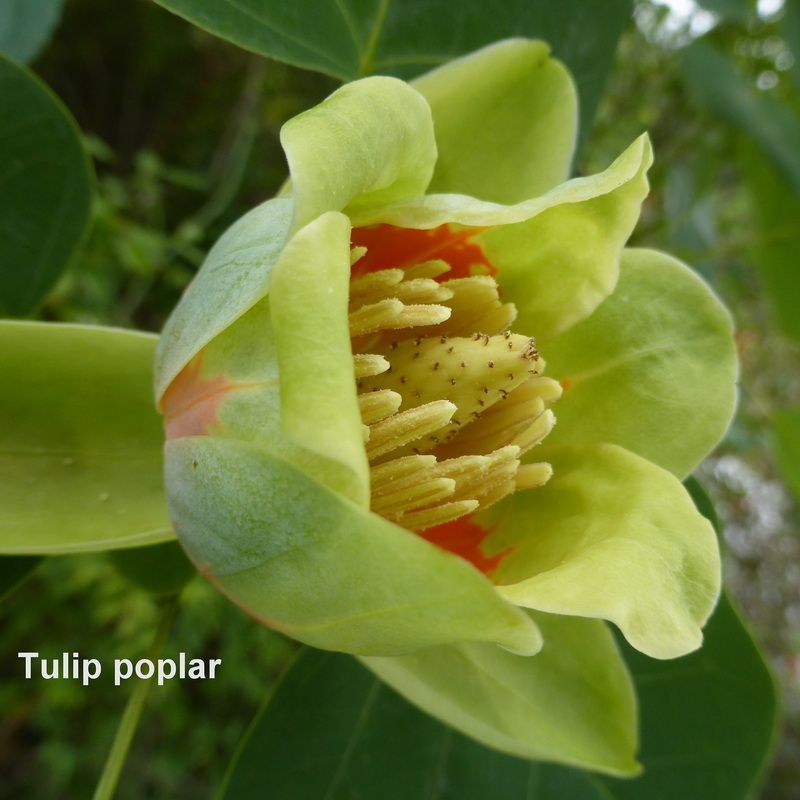
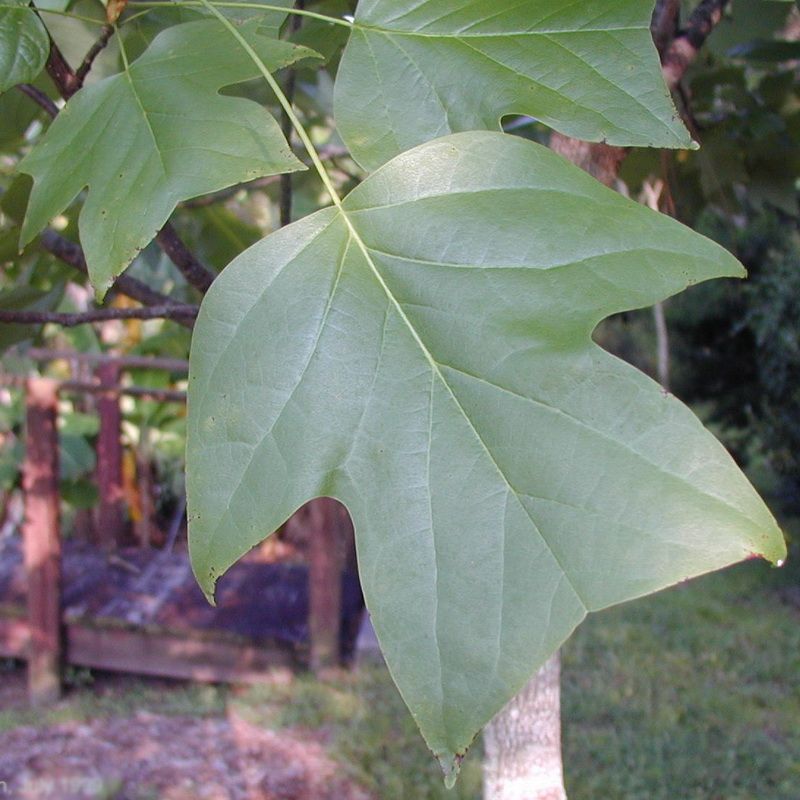
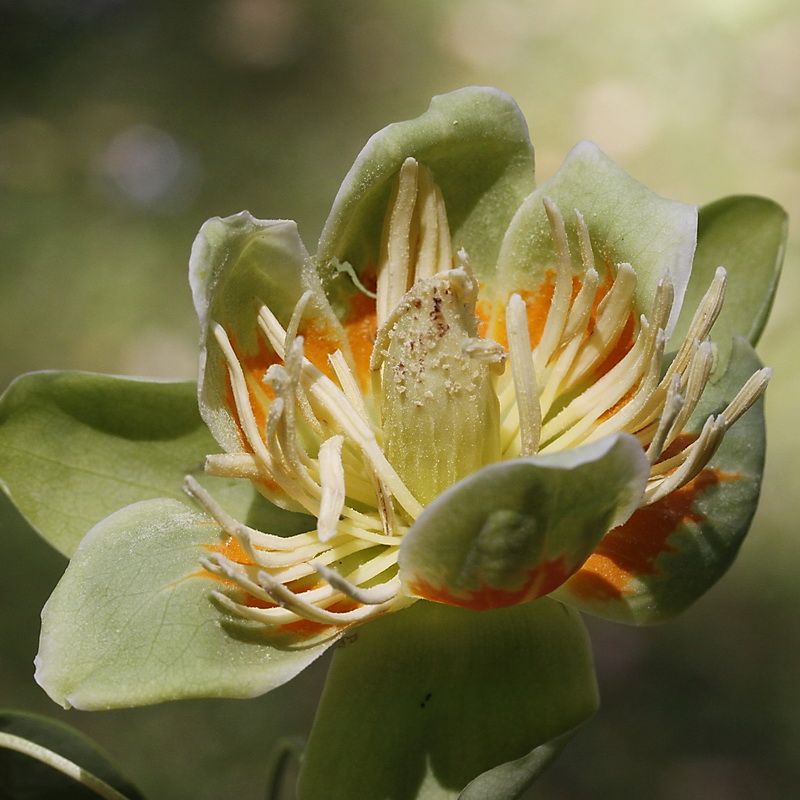
While its common name is tulip poplar, it is not related to poplars--it is a member of the magnolia family. Source of the name probably comes from the nature of the light-colored wood.
Noted as a good honey plant.
Its range in Florida appears to be disjunct. However, there is no reason to believe that this plant would cause issues if planted outside of that range. It is said not to perform well to the south of its range.

