

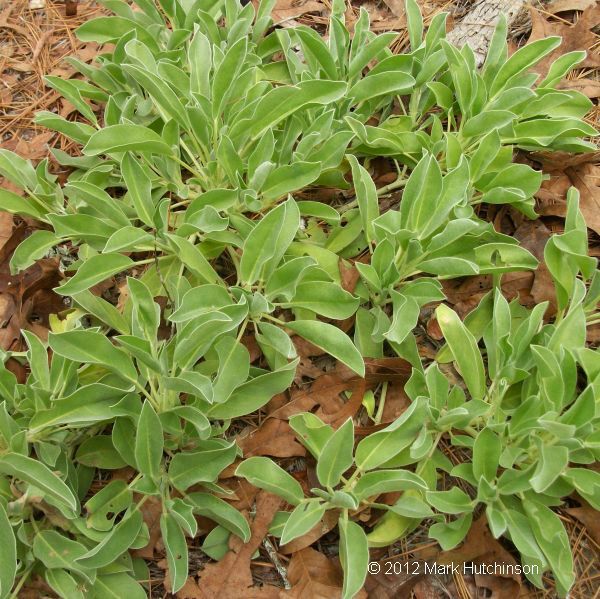
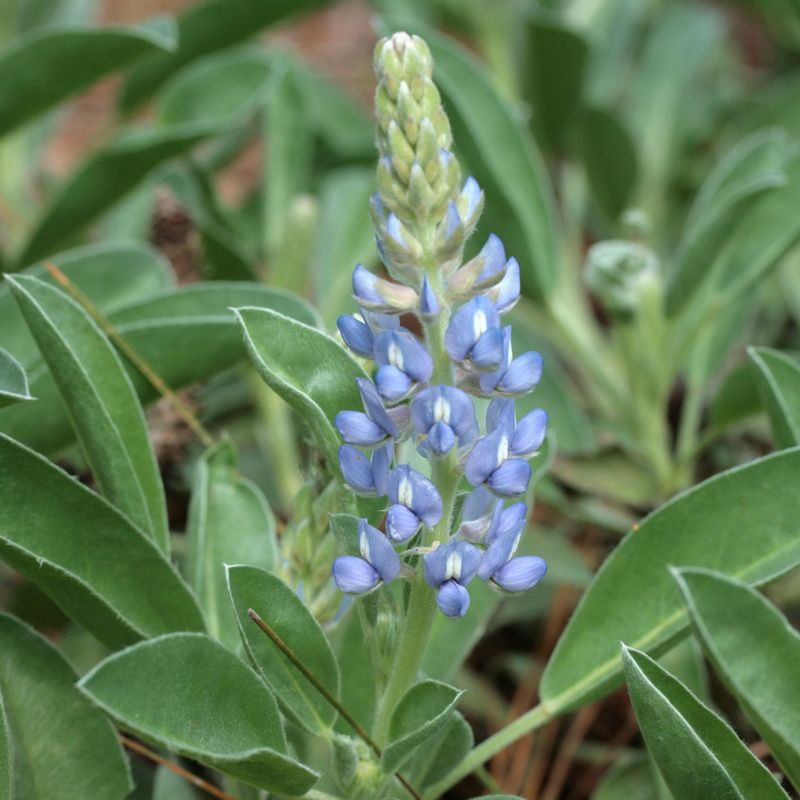
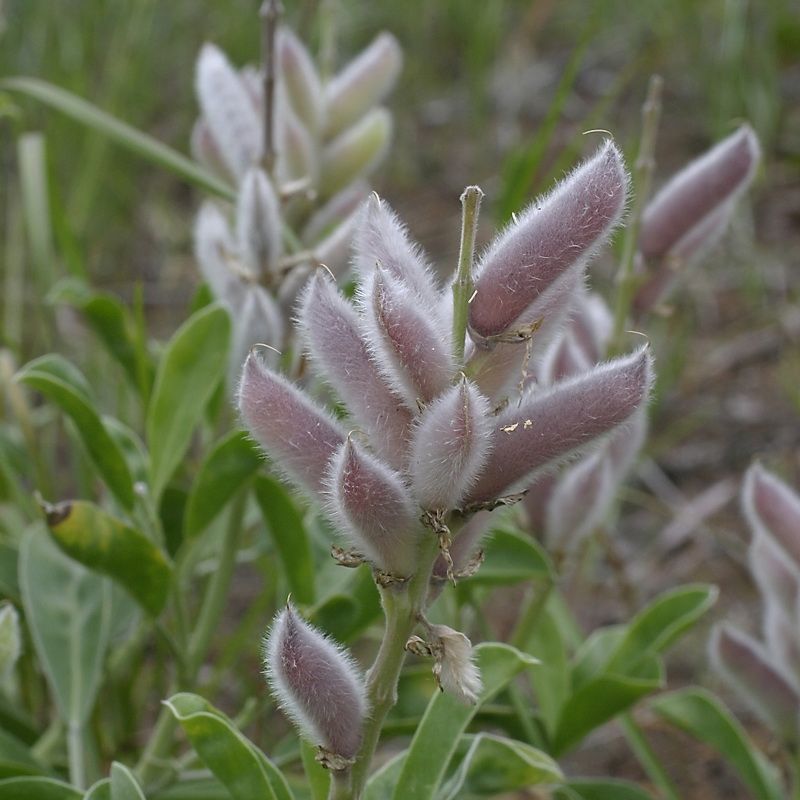

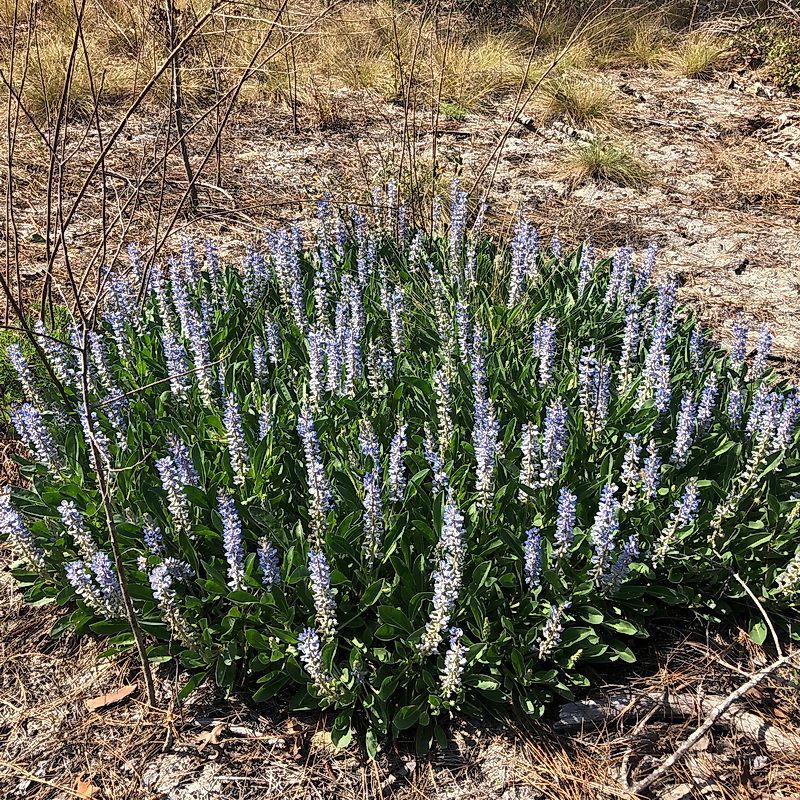
Nomenclature
Common Name:
Synonym(s):
Genus species:
Family:
Fabaceae (Leguminosae)
Plant Specifics
Form:
Size:
Life Span:
Long-lived perennial
Flower Color:
Fruit Color:
Phenology:
Noted For:
Landscaping
Recommended Uses:
Considerations:
Availability:
Propagation:
Light:
Moisture Tolerance:
Always Flooded------------------------------------------------Extremely Dry
Coming Soon!
Short very dry periods ---to--- 1Stays wet
Salt Water Flooding Tolerance:
Unknown
Salt Spray/Salty Soil Tolerance:
Low/no tolerance of salty wind or direct salt spray
Soil or Other Substrate:
Sand
Soil pH:
Suitable to Grow In:
8A,8B,9A,9B,10A,10B
Ecology
Wildlife:
- Larval host for frosted elfin ( Callophyris irus ) butterfly, which is listed as Endangered in Florida.
- Also larval host for gray hairstreak ( Strymon melinis ) butterfly, Genista broom moth ( Uresiphita reversalis )a nd other butterflies and moths that use members of the Fabaceae family ( FNPS blog ).
- Attracts bees including bumblebees. Documented visitors include Anthidiellum notatum rufimaculatum, A. perplexum, Megachile exilis parexilis, Osmia sp. and Bombus griseocollis (Deyrup et al. 2002).
Native Habitats:
Natural Range in Florida:
Visit the USF Libraries Atlas of Florida Plants
Comments:
Ethnobotany:
General Comments:
Given that this is short-lived (biennial) and difficult to transplant or grow from seed, this is perhaps best encouraged in places where it grows naturally. Minimizing competition from other plants, and perhaps burning the garden area, may be useful. This plant appears to have a seedbank with seeds that may sprout over an extended period of years if conditions are right.
The range of this plant in Florida appears to be disjunct though how much of this is due to site conditions and how much could be an artifact of forestry practices is unknown.

