
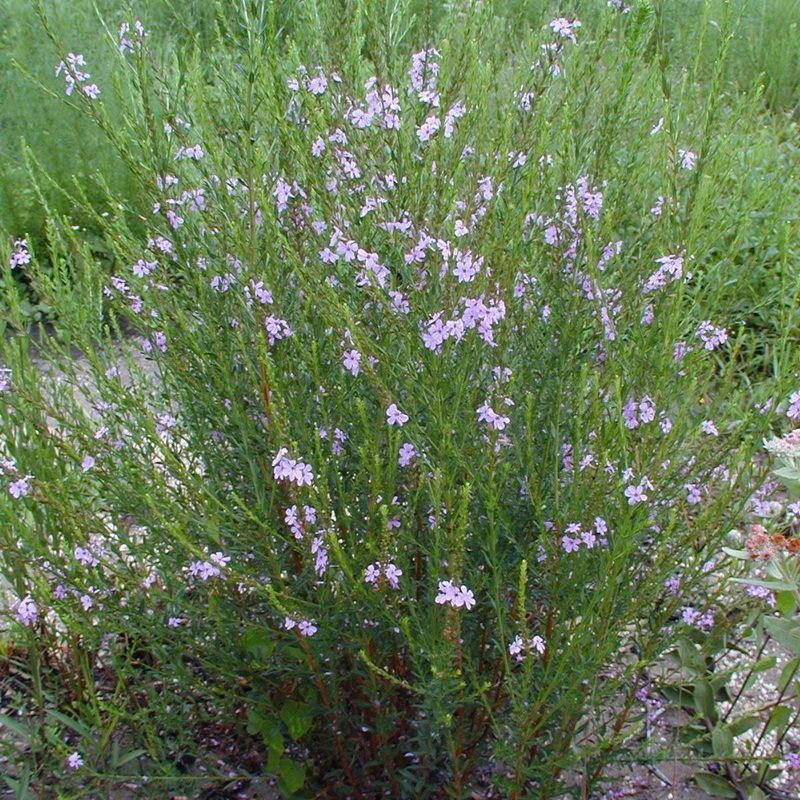
Photo by: Shirley Denton, Suncoast Chapter FNPS
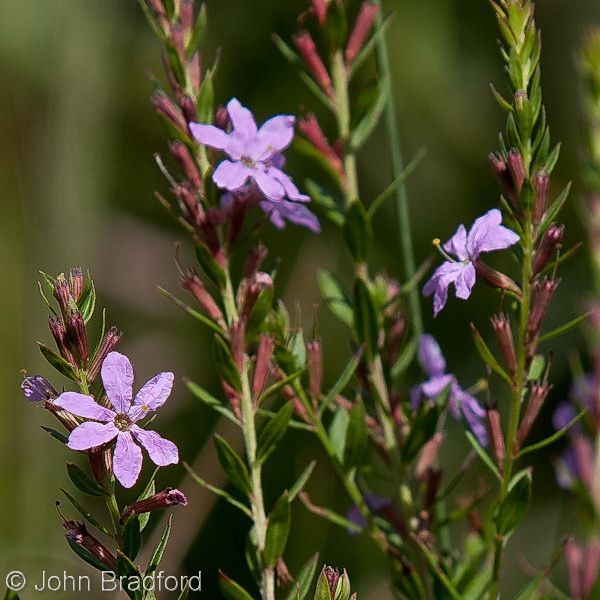
Photo by: John Bradford, Martin County Chapter FNPS
-1920w.jpg)
Photo by: John Lampkin, Nature Coast FNPS
-1920w.jpg)
Photo by: John Lampkin, Nature Coast FNPS
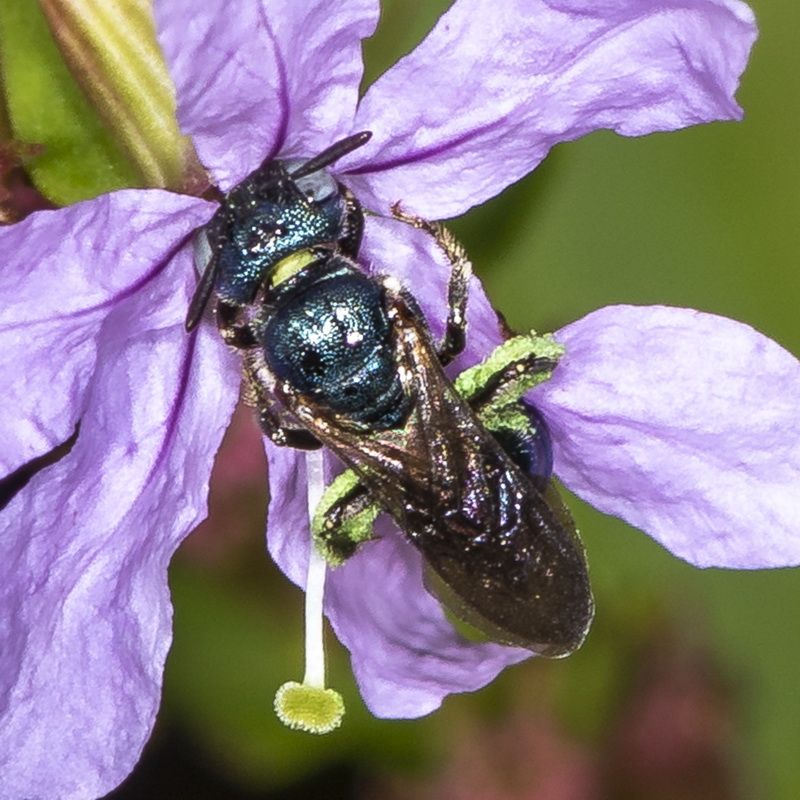
Photo by: John Lampkin, Nature Coast FNPS
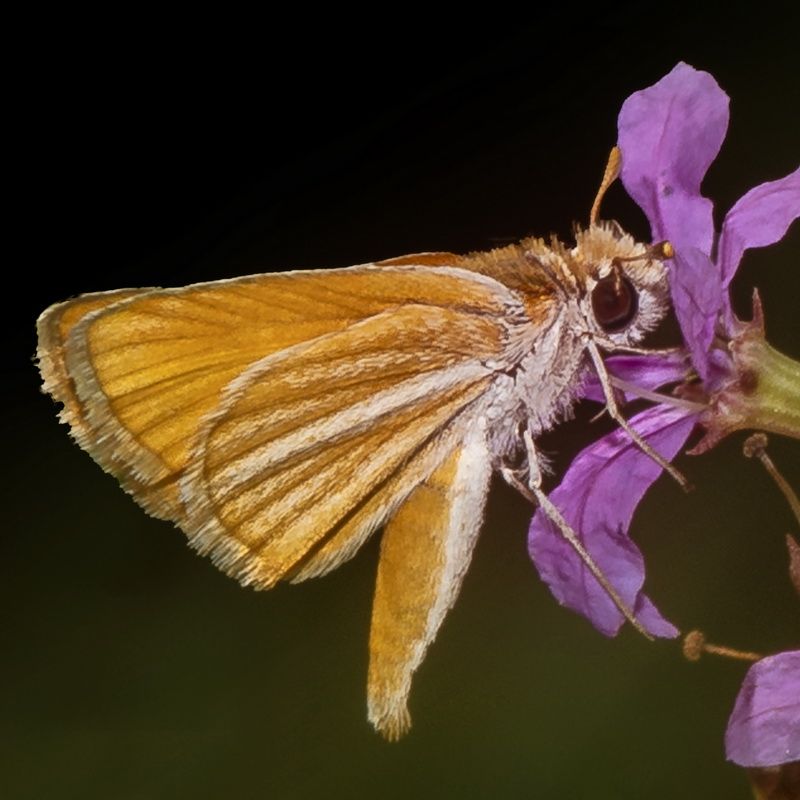
Photo by: John Lampkin, Nature Coast FNPS
-1920w.jpg)
Photo by: John Lampkin, Nature Coast FNPS
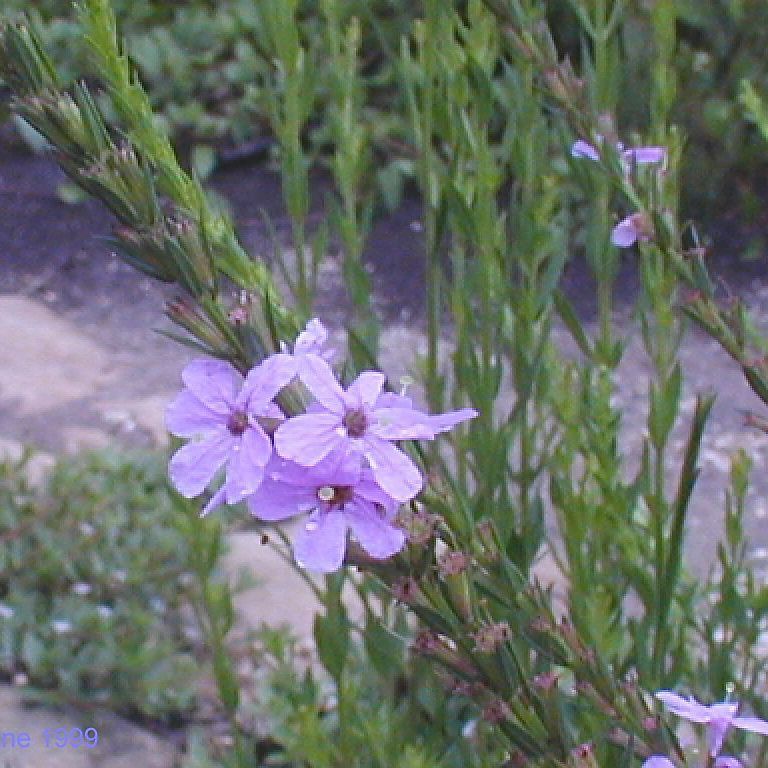
Photo by: Shirley Denton, Suncoast Chapter FNPS
View more
Nomenclature
Common Name:
loosestrife
Synonym(s):
Genus species:
Lythrum alatum var. lanceolatum
Family:
Lythraceae
Plant Specifics
Form:
flower
Size:
2-3 ft tall.
Life Span:
Long-lived perennial
Flower Color:
lavender
Fruit Color:
NA
Phenology:
Winter dormant. Blooms in summer.
Noted For:
Showy Flowers
Landscaping
Recommended Uses:
Moist/wet wildflower garden.
Considerations:
Availability:
Native Nurseries, Seed
Propagation:
Seeds are available through the Florida Wildflowers Growers Cooperative.
Light:
Full Sun
Moisture Tolerance:
Always Flooded------------------------------------------------Extremely Dry
Coming Soon!
Stays wet ---to--- Somewhat moist, no flooding
Salt Water Flooding Tolerance:
Unknown
Salt Spray/Salty Soil Tolerance:
Low/no tolerance of salty wind or direct salt spray
Soil or Other Substrate:
Sand
Soil pH:
Suitable to Grow In:
8A,8B,9A,9B,10A,10B
Ecology
Wildlife:
Pollinators, Butterflies
This plant is an insect magnet!
- It attracts insects including long-tongued bees, green metallic bees, bee flies, butterflies, and skippers.
- Among the long-tongued bees, are such visitors as honeybees, bumblebees, cuckoo bees ( Epeolus spp., Triepeolus spp., Coelioxys spp.), long-horned bees ( Melissodes spp., Svastra spp.), and leaf-cutting bees ( Megachile spp.).
- Syrphid flies feed on the pollen, but they are non-pollinating. (I llinois Wildflowers ).
Native Habitats:
Moist-wet sites. Wet flatwoods, roadside ditches in former flatwoods.
Natural Range in Florida:
Visit the USF Libraries Atlas of Florida Plants
Comments:
Ethnobotany:
General Comments:
Some literature sources suggest that this species may have some salt tolerance as it apparently grows along the upper edges of some salt marshes, but so far as we have seen recorded, not in Florida.

