

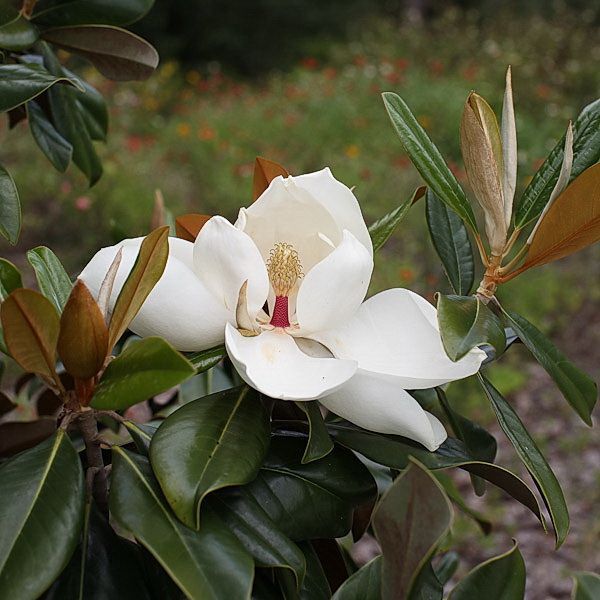
Nomenclature
Common Name:
Synonym(s):
Genus species:
Family:
Magnoliaceae
Plant Specifics
Form:
Size:
Life Span:
Long-lived perennial
Flower Color:
Fruit Color:
Phenology:
Noted For:
Landscaping
Recommended Uses:
Considerations:
Availability:
Propagation:
Light:
Moisture Tolerance:
Always Flooded------------------------------------------------Extremely Dry
Coming Soon!
Somewhat moist, no flooding ---to--- Not wet but not extremely dry
Salt Water Flooding Tolerance:
Unknown
Salt Spray/Salty Soil Tolerance:
Moderate. Tolerant of salty wind and may get some salt spray.
Soil or Other Substrate:
Sand, Loam
Soil pH:
Suitable to Grow In:
8A,8B,9A,9B
Ecology
Wildlife:
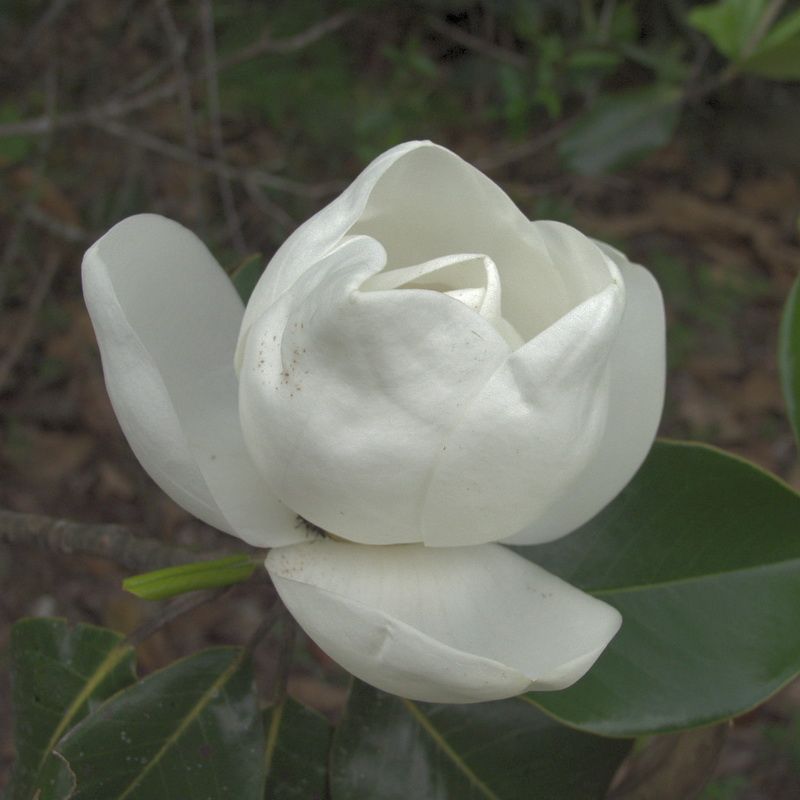
Beetles are the primary pollinators. The flowers have a hardened carpel to avoid damage by their gnawing mandibles as they feed. The beetles are after the protein-rich pollen. Because the beetles are interesting in pollen and pollen alone, the flowers mature in a way that ensures cross pollination. The male parts mature first and offer said pollen. The female parts of the flower are second to mature. They produce no reward for the beetles but are instead believed to mimic the male parts, ensuring that the beetles will spend some time exploring and thus effectively pollinating the flowers ( In Defense of Plants blog).
Fruits are eaten (and spread) by squirrels, opossums, and birds including quail, and turkey.
Native Habitats:
Natural Range in Florida:
Visit the USF Libraries Atlas of Florida Plants
Comments:
Ethnobotany:
General Comments:

