

Nomenclature
Common Name:
Synonym(s):
Genus species:
Family:
Onagraceae
Plant Specifics
Form:
Size:
Life Span:
Long-lived perennial
Flower Color:
Fruit Color:
Phenology:
Noted For:
Landscaping
Recommended Uses:
Considerations:
Availability:
Propagation:
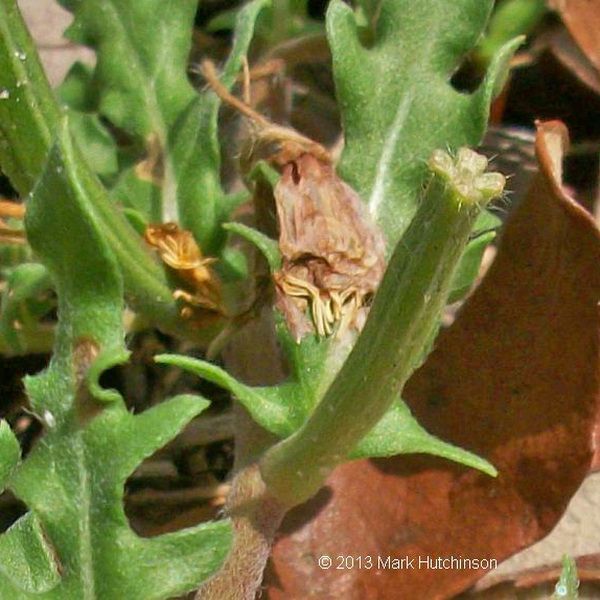
Following fertilization, the ovary of the flower will morph into a capsule. As the seeds mature, the capsule will dry-out and eventually split, releasing the seeds. Readily self-seeds, the seeds can remain viable for many years.
Seeds available at Native American Seed (seedsource.com)
Light:
Moisture Tolerance:
Always Flooded------------------------------------------------Extremely Dry
Coming Soon!
Not wet but not extremely dry ---to--- Very long very dry periods
Salt Water Flooding Tolerance:
Unknown
Salt Spray/Salty Soil Tolerance:
Some tolerance to salty wind but not direct salt spray
Soil or Other Substrate:
Sand, Lime Rock
Soil pH:
Suitable to Grow In:
8A,8B,9A,9B,10A,10B,11
Ecology
Wildlife:
Attracts native bees, butterflies and moths. Especially interesting to native bees.
Bobwhite, mourning dove and gold finches feed on the seeds
Native Habitats:
Natural Range in Florida:
Visit the USF Libraries Atlas of Florida Plants
Comments:
Ethnobotany:
General Comments:

