

Photo by: Shirley Denton, Suncoast Chapter FNPS
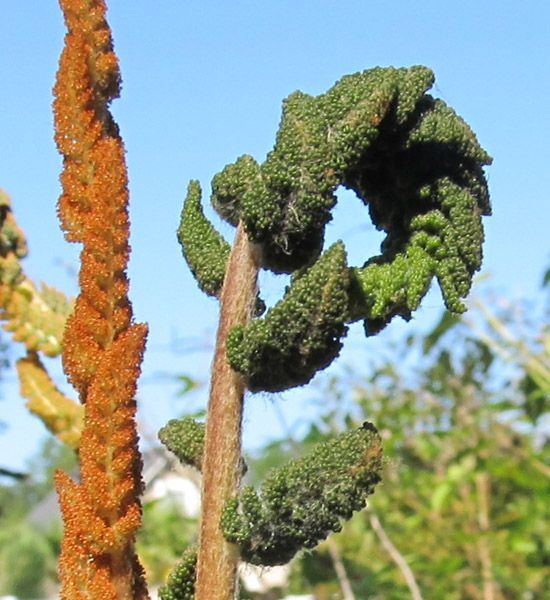
Photo by: Ginny Stibolt, Ixia Chapter FNPS
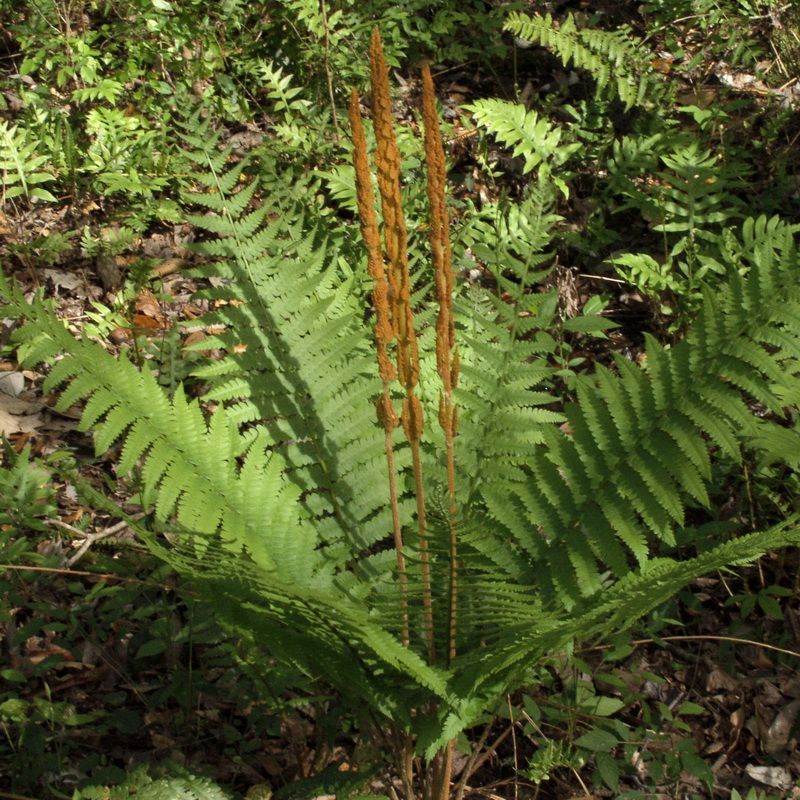
Photo by: Shirley Denton, Suncoast Chapter FNPS
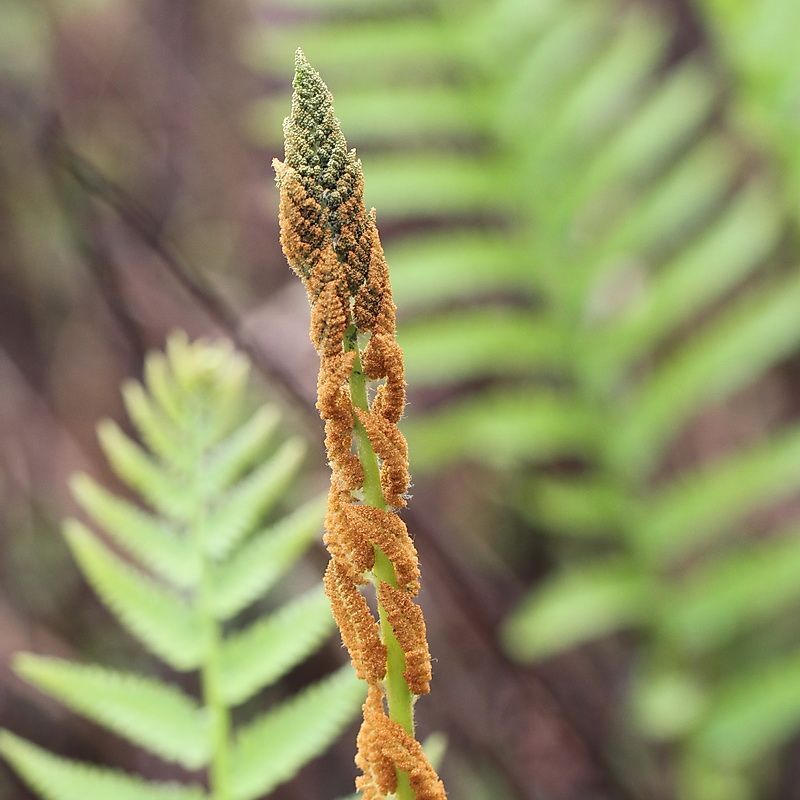
Photo by: Shirley Denton, Suncoast Chapter FNPS
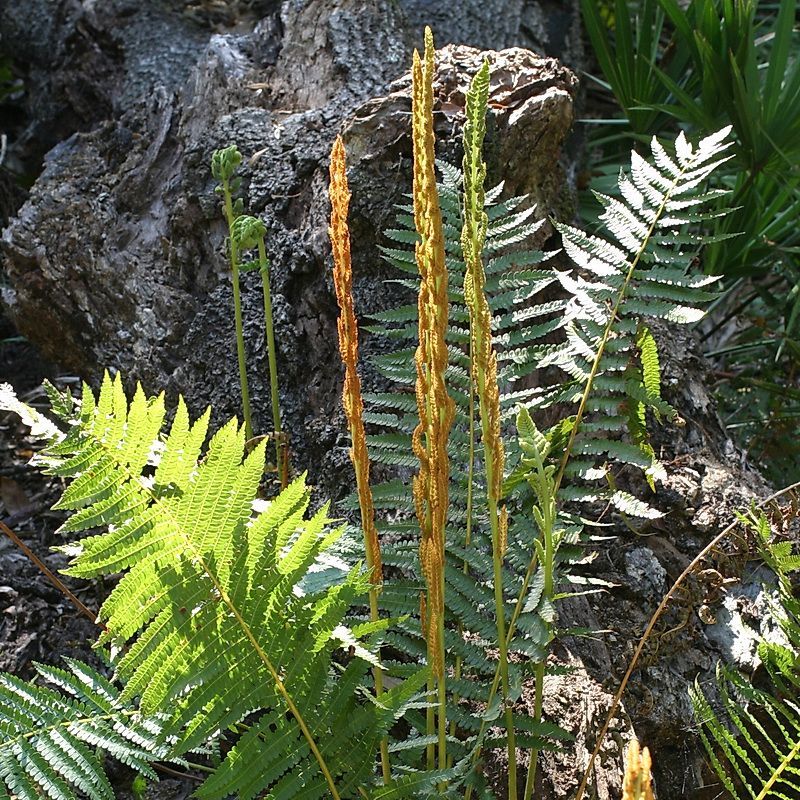
Photo by: Shirley Denton, Suncoast Chapter FNPS
Nomenclature
Common Name:
cinnamon fern
Synonym(s):
Osmunda cinnamomea
Genus species:
Osmundastrum cinnamomeum
Family:
Osmundaceae
Plant Specifics
Form:
fern
Size:
3-4 ft ft tall by as broad as tall ft wide. Does not spread.
Life Span:
Long-lived perennial
Flower Color:
NA
Fruit Color:
orange
Phenology:
Deciduous to evergreen. Fertile fronds appear in spring and again in the fall.
Noted For:
Showy Fruits, Interesting Foliage
Landscaping
Recommended Uses:
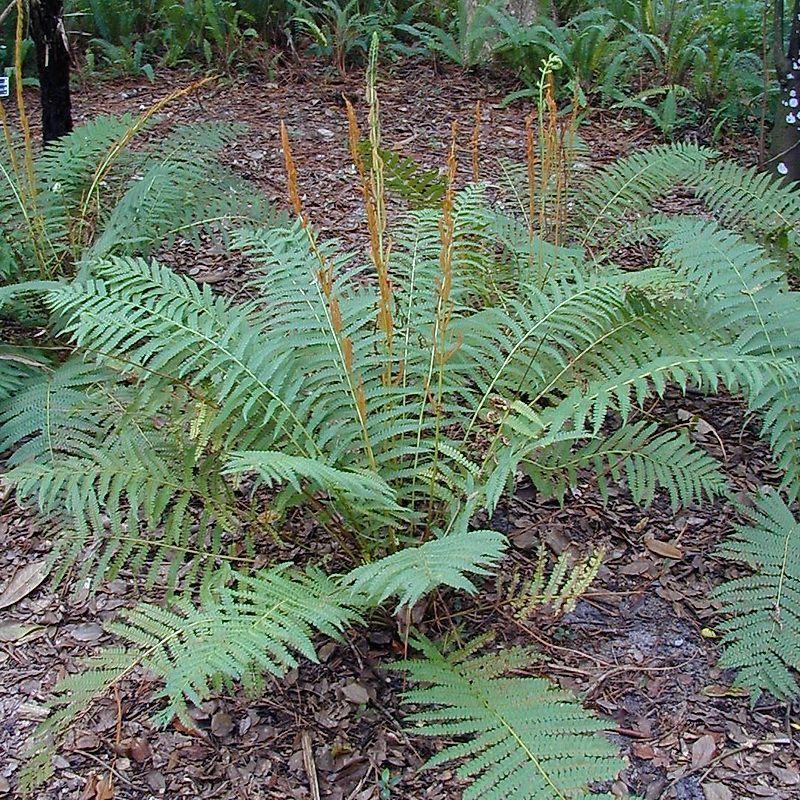
Useful as a specimen in moist areas and in rain gardens or bioswales. Its urn shape and orange spore producing fertile leaves make this fern attractive as an individual specimen in areas that have adequate moisture. Large size and grace are its principal appeal. Evergreen in south-central FL. Deciduous in north FL.
Considerations:
Availability:
Quality Nurseries, Native Nurseries, Specialty Provider
Propagation:
Light:
Part Sun, Shade
Moisture Tolerance:
Always Flooded------------------------------------------------Extremely Dry
Coming Soon!
Stays wet ---to--- Somewhat moist, no flooding
Salt Water Flooding Tolerance:
Unknown
Salt Spray/Salty Soil Tolerance:
Low/no tolerance of salty wind or direct salt spray
Soil or Other Substrate:
Sand, Loam, Organic
Soil pH:
acidic
Suitable to Grow In:
8A,8B,9A,9B,10A,10B
Ecology
Wildlife:
Native Habitats:
This species typically grows on seepage edges of swamps and in the upper reaches of baygalls (bay swamps). It is not found in long-term standing water though it grows well on rotten logs and hummocks in swamps. It is an indicator of seepage conditions.
Natural Range in Florida:
Visit the USF Libraries Atlas of Florida Plants
Comments:
Ethnobotany:
General Comments:
Called cinnamon fern because of the color of its fertile fronds. In Florida it sends up its fertile fronds in the spring and fall; farther north in its large range, the fertile fronds only emerge in the spring.

