
Nomenclature

Common Name:

woodbine, Virginia creeper

Synonym(s):

Ampelopsis hederacea

Genus species:

Parthenocissus quinquefolia

Family:

Vitaceae

Plant Specifics

Form:

vine

Size:

to 40 ft

Life Span:

Long-lived perennial

Flower Color:

NA

Fruit Color:

blue

Phenology:

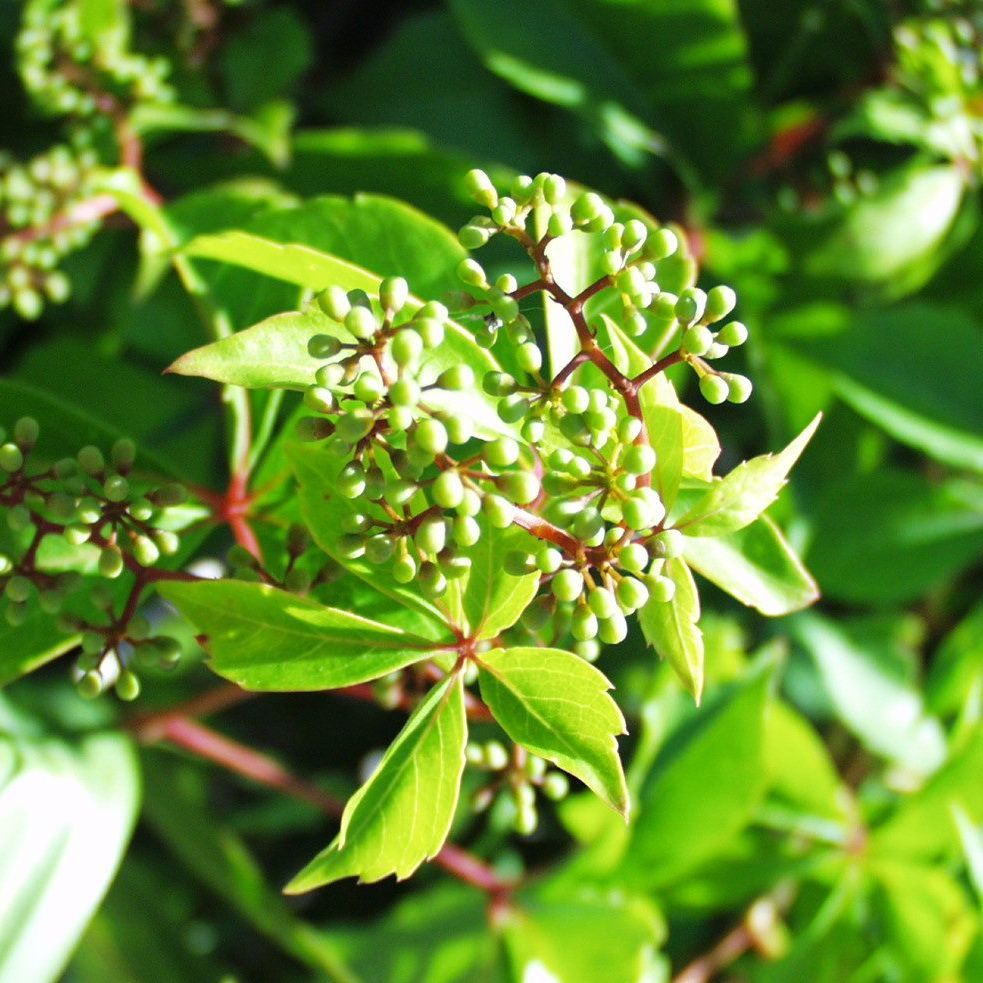
Deciduous. Blooms in spring. Fruits ripen in fall.

Noted For:

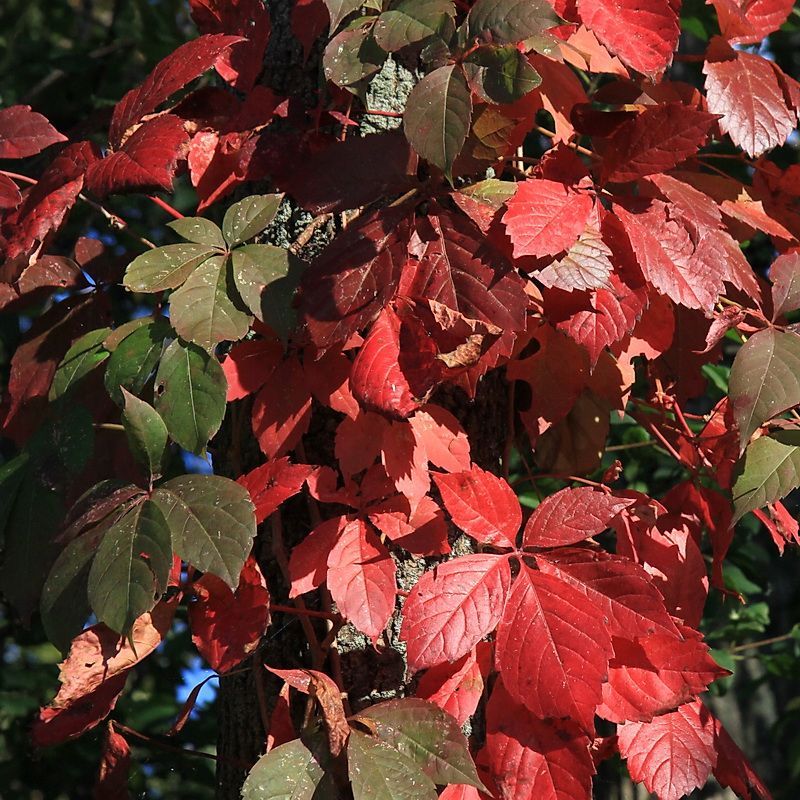
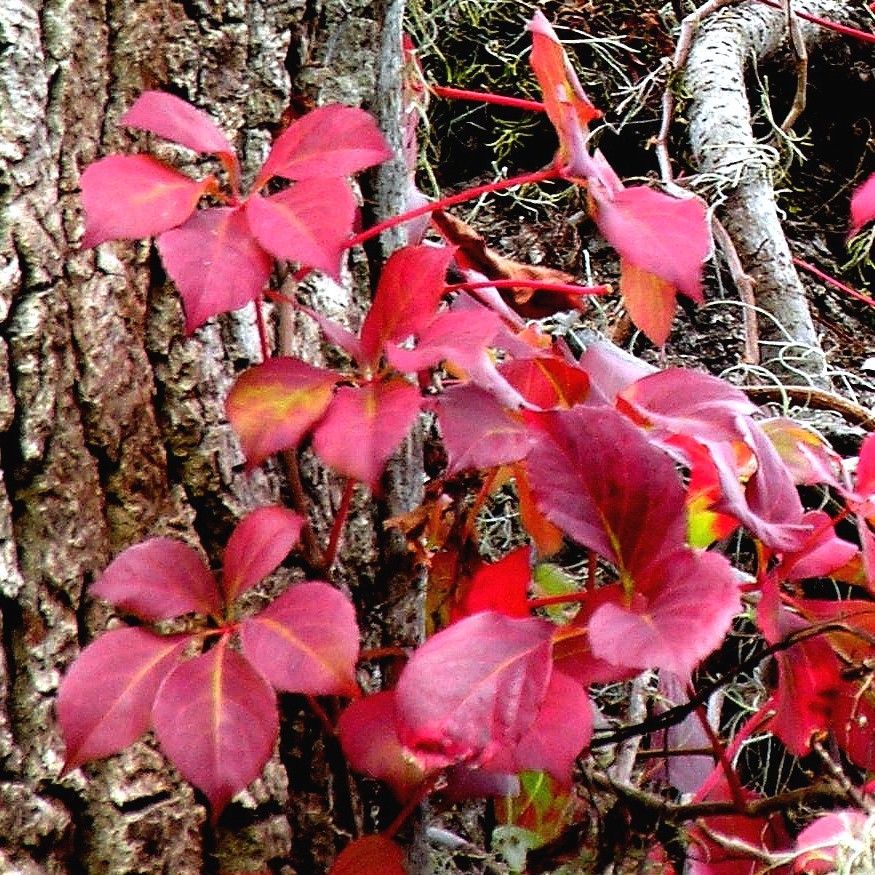
Fall Color

Landscaping

Recommended Uses:

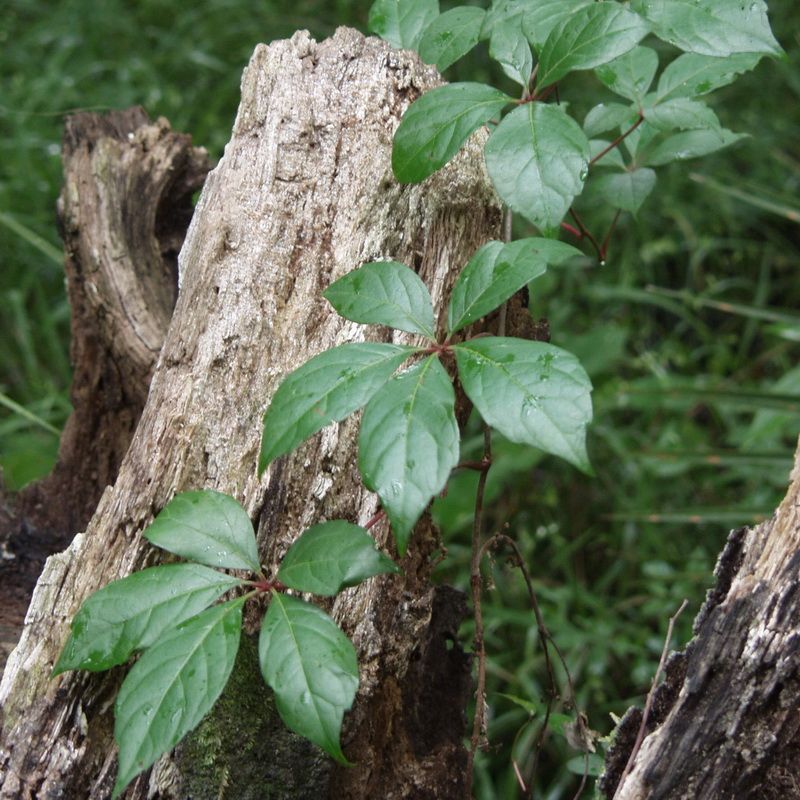
Allow to climb on trellis, trees, or building masonry. The tendrils of Virginia creeper are tipped with adhesive-like disks that gives the vine the ability of cementing itself to surfaces. Unlike many vines, these tendrils will not penetrate the surface of the masonry which can be detrimental to the structure. Can be used as a ground cover.

Considerations:

It should not be allowed to climb painted surfaces because this same adhesive-like material will bond to the surface and likely damage the paint . This plant can be overly aggressive and readily reseeds.

Availability:

Seed, Friends

Propagation:

Seeds, cuttings, layering.

Light:

Full Sun, Part Sun, Shade

Moisture Tolerance:

Always Flooded------------------------------------------------Extremely Dry

Coming Soon!

Usually moist, occasional inundation ---to--- Somewhat long very dry periods

Salt Water Flooding Tolerance:

Unknown

Salt Spray/Salty Soil Tolerance:

Moderate. Tolerant of salty wind and may get some salt spray.

Soil or Other Substrate:

Sand, Clay, Loam

Soil pH:

5.0 - 8.0

Suitable to Grow In:

8A,8B,9A,9B,10A,10B,11

Ecology

Wildlife:

Pollinators, Caterpillars, Birds

Pollinated by bees and other pollinators.  Bees documented visiting this species include  Colletes nudus, Augochloropsis metallica, Megachile mendica , and Apis mellifera (honeybee) (Deyrup et al. 2002). 


Larval host for some sphynx moths.

Fruits eaten by a variety of birds and small mammals. Also used for shelter.

Native Habitats:

Dry-moist sites. Hammocks, riverine forests, coastal sites, flatwoods, thickets, disturbed woods.

Natural Range in Florida:

Comments:

Ethnobotany:

Apparently a dye can be made from the fruits. Fruits said to be edible but not tasty. The Cherokee used an infusion made from this plant for the treatment of jaundice caused by liver problems. The Creek tribe use this plant as a treatment for gonorrhea. Many northern tribes had myriad medicinal applications for this plant.

General Comments:
