

Nomenclature

Common Name:

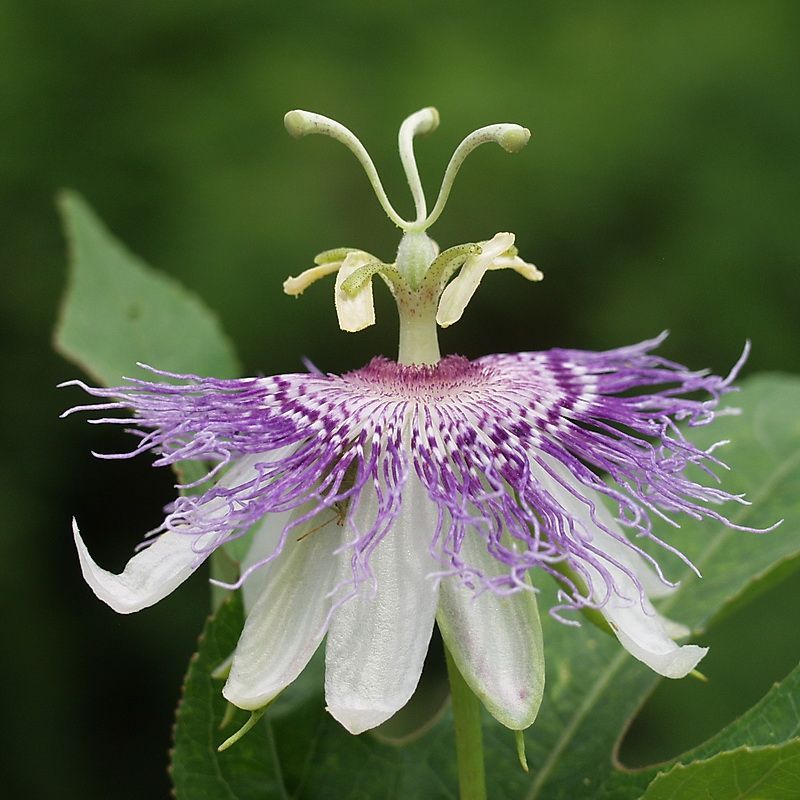
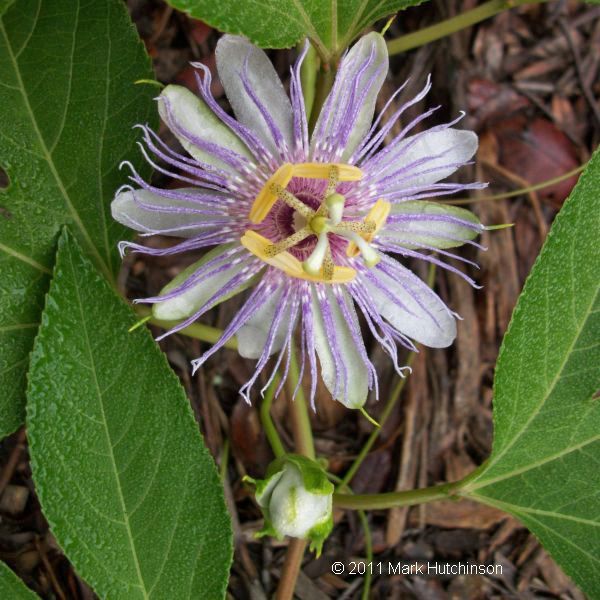
passion vine, maypop, purple passion flower

Synonym(s):

Genus species:

Passiflora incarnata

Family:

Passifloraceae

Plant Specifics

Form:

vine

Size:

Stems 3-10 ft long, sprawling and scrambling over other vegetation.

Life Span:

Long-lived perennial

Flower Color:

blue,purple

Fruit Color:

yellow,green

Phenology:

Deciduous, winter dormant. Blooms spring to fall.

Noted For:

Showy Flowers, Showy Fruits, Interesting Foliage

Landscaping

Recommended Uses:

Given the proper support this plant makes an excellent climbing vine hedge.

Considerations:

This plant spreads via stoloniferous rhizomes just beneath the ground surface. In areas with loose sand or mulch it can spread like wildflower sprouting up at some distance away from the mother plant. Its ability to climb using tendrils can make it a problem for slow growing bushes.

Availability:

Native Nurseries, FNPS Plant Sales, Seed

Propagation:

Once the egg-shaped fruit has dried and shriveled the fruit (maypop) can be cut open revealing brown seeds. It is best to plant the seeds immediately after removing the pulp surrounding them. Passion vine can also be grown from cuttings - make sure and keep moist till established. Sprouts can be transplanted.

Light:

Full Sun, Part Sun

Moisture Tolerance:

Always Flooded------------------------------------------------Extremely Dry

Coming Soon!

Somewhat moist, no flooding ---to--- Very long very dry periods

Salt Water Flooding Tolerance:

Unknown

Salt Spray/Salty Soil Tolerance:

Some tolerance to salty wind but not direct salt spray

Soil or Other Substrate:

Sand, Clay

Soil pH:

6.1 to 7.8

Suitable to Grow In:

8A,8B,9A,9B,10A,10B

Ecology

Wildlife:

Pollinators, Caterpillars, Birds

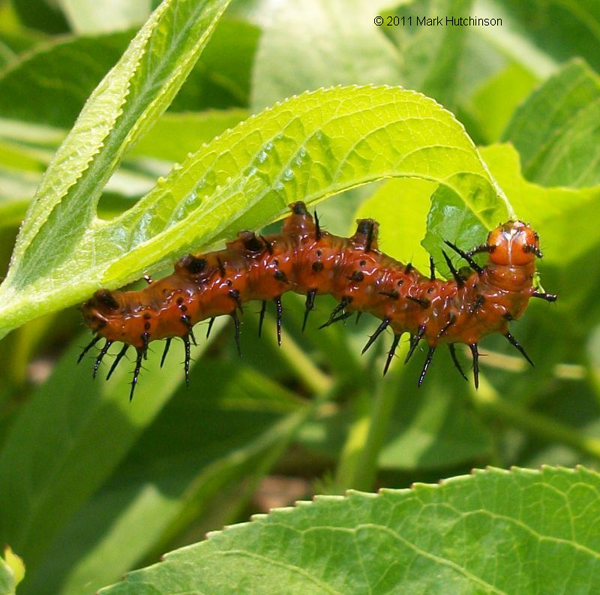
Purple passionflower is larval host plant for numerous butterfly species, including Gulf Fritillary ( Agraulis vanillae ) and Zebra Longwing ( Heliconius charithonia ), the state butterfly of Florida. It also is host to the Crimson Patch Longwing ( Heliconius erato ), Red-banded hairstreak ( Calycopis cecrops )and Julia Heliconian ( Dryas iulia ) butterflies.


Pollinated by bees.

The young tendrils of purple passionvine are eaten by wild turkey.  Wildlife eat the fruits.

Native Habitats:

Disturbed, brushy areas or disturbed upland hardwood forest, sandhill and scrub.

Natural Range in Florida:

Comments:

Ethnobotany:

The Cherokee used a compound infusion of the root to treat boils. They also gave an infusion of root to babies to aid in weaning, and a warm infusion of beaten root dropped into the ear for earache. The Cherokee used parboiled leaves and the fruit as a food source.

General Comments:

The name 'passion' is a reference to the crucifixion of Jesus of Nazareth. Parts of the flower are said to resemble instruments used during the crucifixion.
