
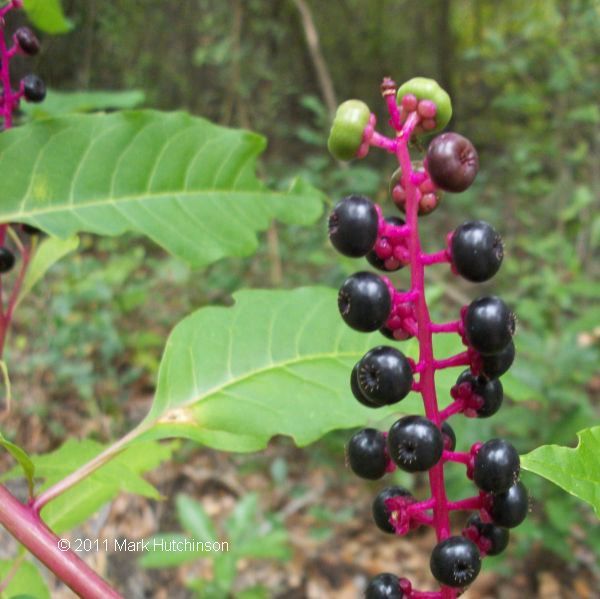
Nomenclature
Common Name:
Synonym(s):
Genus species:
Family:
Phytolaccaceae
Plant Specifics
Form:
Size:
Life Span:
Long-lived perennial
Flower Color:
Fruit Color:
Phenology:
Noted For:
Landscaping
Recommended Uses:
Considerations:
Availability:
Propagation:
Light:
Moisture Tolerance:
Always Flooded------------------------------------------------Extremely Dry
Coming Soon!
Somewhat moist, no flooding ---to--- Very long very dry periods
Salt Water Flooding Tolerance:
Unknown
Salt Spray/Salty Soil Tolerance:
Moderate. Tolerant of salty wind and may get some salt spray.
Soil or Other Substrate:
Sand, Loam
Soil pH:
Suitable to Grow In:
8A,8B,9A,9B,10A,10B,11
Ecology
Wildlife:
Attracts bees including Augochlora pura, Augochloropsis metallica, A. sumptuosa, Dialictus miniatulus, D. nymphalis, D. placidensis, D. tegularis, Evylaeus pectoralis and Bombus impatiens (Deyrup et al. 2002).
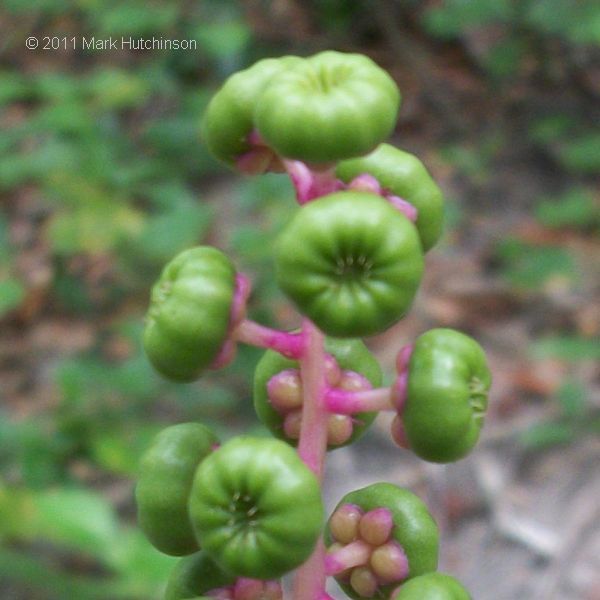
Birds eat the berries.
Native Habitats:
Natural Range in Florida:
Visit the USF Libraries Atlas of Florida Plants
Comments:
Ethnobotany:
Native Americans used the bright crimson juice to stain feathers, arrow shafts, and garments, and to decorate their horses.
The United States Declaration of Independence was written in pokeberry juice.
General Comments:

