
Nomenclature
Common Name:
Synonym(s):
Genus species:
Family:
Pinaceae
Plant Specifics
Form:
Size:
Life Span:
Long-lived perennial
Flower Color:
Fruit Color:
Phenology:
Noted For:
Landscaping
Recommended Uses:
Considerations:
Availability:
Propagation:
Light:
Moisture Tolerance:
Always Flooded------------------------------------------------Extremely Dry
Coming Soon!
Usually moist, occasional inundation ---to--- Somewhat long very dry periods
Salt Water Flooding Tolerance:
Unknown
Salt Spray/Salty Soil Tolerance:
Moderate. Tolerant of salty wind and may get some salt spray.
Soil or Other Substrate:
Sand, Loam, Lime Rock
Soil pH:
Suitable to Grow In:
8A,8B,9A,9B,10A,10B,11
Ecology
Wildlife:
Squirrels and other animals eat the seeds.
In southern Florida, old trees are known to support red-cockaded woodpeckers.
Native Habitats:
Natural Range in Florida:
Visit the USF Libraries Atlas of Florida Plants
Comments:
Ethnobotany:
General Comments:
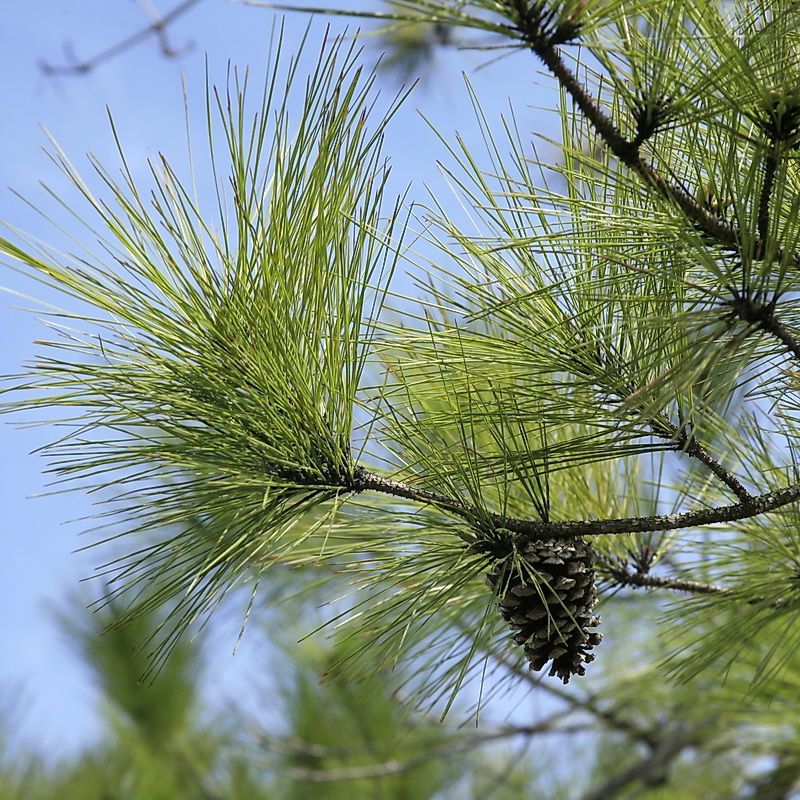
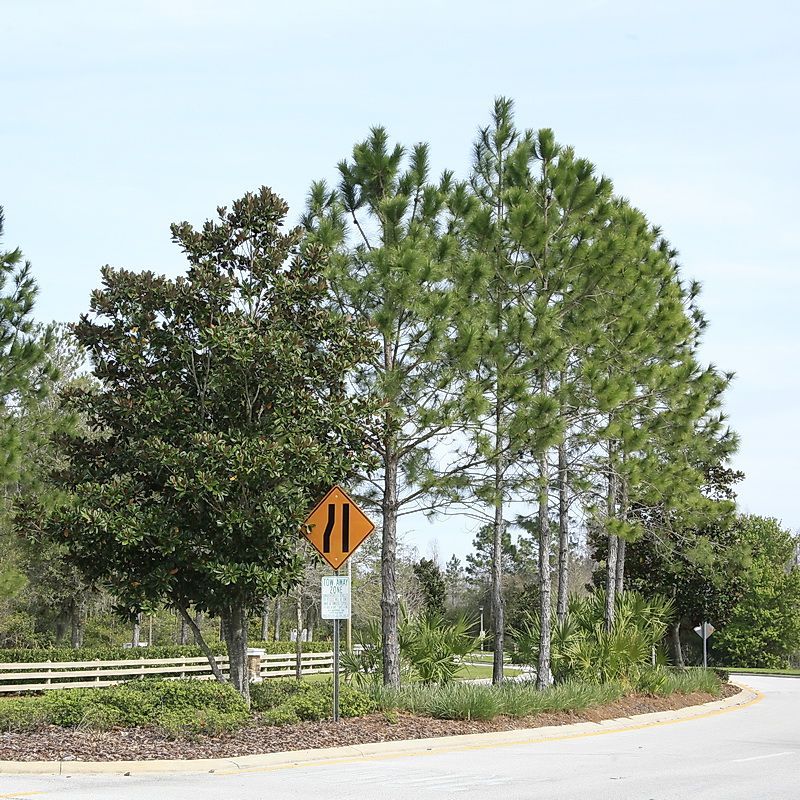
Highly adaptable. While frequently in moist areas, broadly tolerant of dryness. Has been planted extensively for timber.
This tree occurs throughout Florida and has both southern and northern varieties with the southern form being more tolerant of fire.
Recent research on sea level rise indicates that significant salinity of water in the root zone will eliminate the species. The area occupied by slash pine in the keys is shrinking.
Many places with slash pine plantations were formerly longleaf pine forests. Many of these sites are too dry for optimal health of slash pine.

