
Nomenclature
Common Name:
Synonym(s):
Genus species:
Family:
Rosaceae
Plant Specifics
Form:
Size:
Life Span:
Long-lived perennial
Flower Color:
Fruit Color:
Phenology:
Noted For:
Landscaping
Recommended Uses:
Considerations:
Availability:
Propagation:
Light:
Moisture Tolerance:
Always Flooded------------------------------------------------Extremely Dry
Coming Soon!
Usually moist, occasional inundation ---to--- Somewhat long very dry periods
Salt Water Flooding Tolerance:
Unknown
Salt Spray/Salty Soil Tolerance:
Low/no tolerance of salty wind or direct salt spray
Soil or Other Substrate:
Sand, Loam
Soil pH:
Suitable to Grow In:
8A,8B,9A,9B
Ecology
Wildlife:
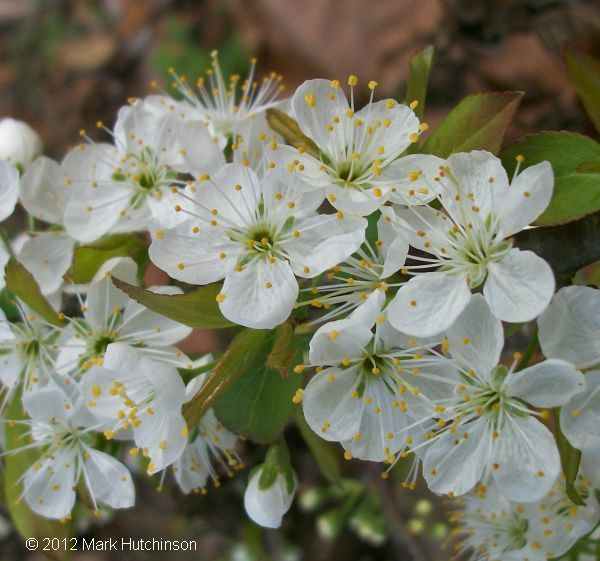
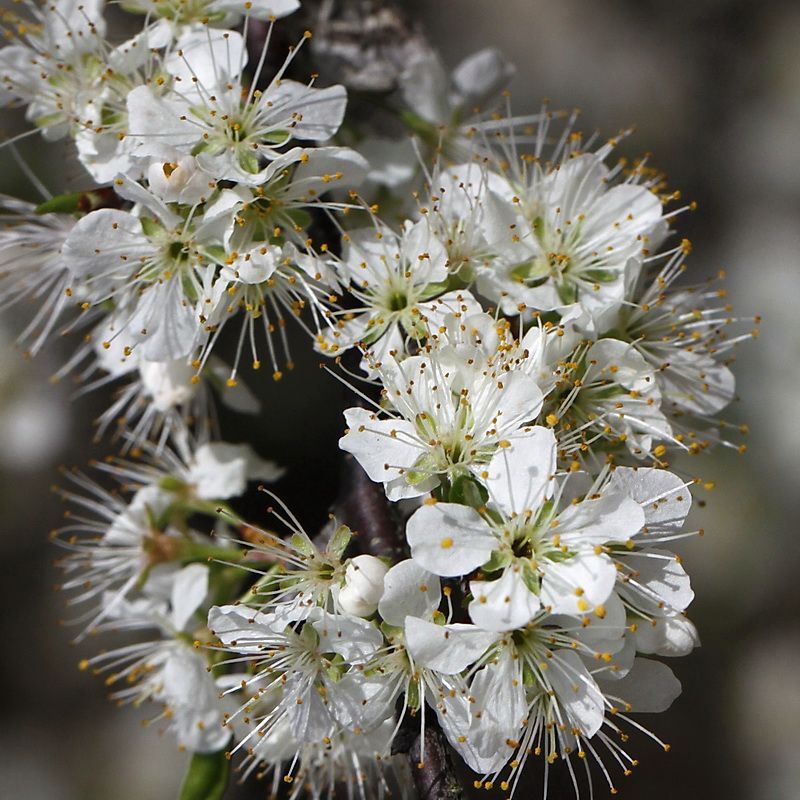
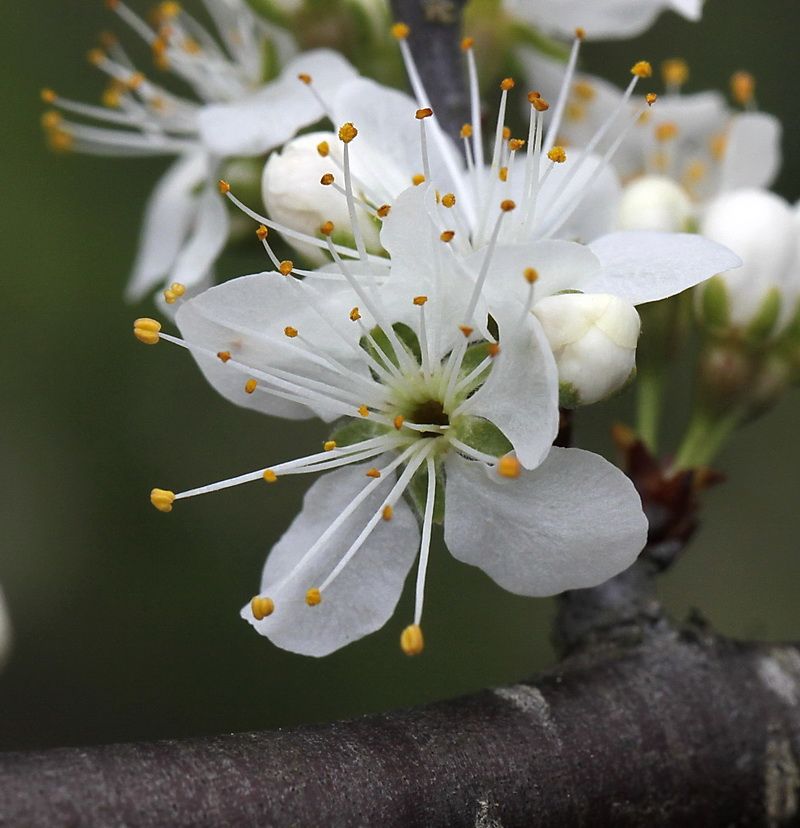
Flowers attract bees. Documented bee visitors include Dialictus placideizsis, Hylaeus conflzeizs, Euylaezcs pectoralis and Epeolzcs zonatus (Deyrup et al. 2002).
Birds, squirrels and other animals eat the fruit.
Native Habitats:
Natural Range in Florida:
Visit the USF Libraries Atlas of Florida Plants
Comments:
Ethnobotany:
General Comments:
If a single plant of similar stature and flowers is desired, consider flatwoods plum, Prunus umbellatus.
Based on BONAP and ISB maps, the range of this species covers much of the southern and south central US with some outliers to the north and west. In Florida, it has been documented in many counties in the northern half of the state, and this author is aware of it being in others. It appears to be appropriate to consider this species native throughout this part of the state.

