



Nomenclature
Common Name:
Synonym(s):
Genus species:
Family:
Rosaceae
Plant Specifics
Form:
Size:
Life Span:
Long-lived perennial
Flower Color:
Fruit Color:
Phenology:
Noted For:
Landscaping
Recommended Uses:
Considerations:
Availability:
Propagation:
Light:
Moisture Tolerance:
Always Flooded------------------------------------------------Extremely Dry
Coming Soon!
Somewhat moist, no flooding ---to--- Very long very dry periods
Salt Water Flooding Tolerance:
Unknown
Salt Spray/Salty Soil Tolerance:
Moderate. Tolerant of salty wind and may get some salt spray.
Soil or Other Substrate:
Sand, Clay, Loam
Soil pH:
Suitable to Grow In:
8A,8B,9A,9B
Ecology
Wildlife:
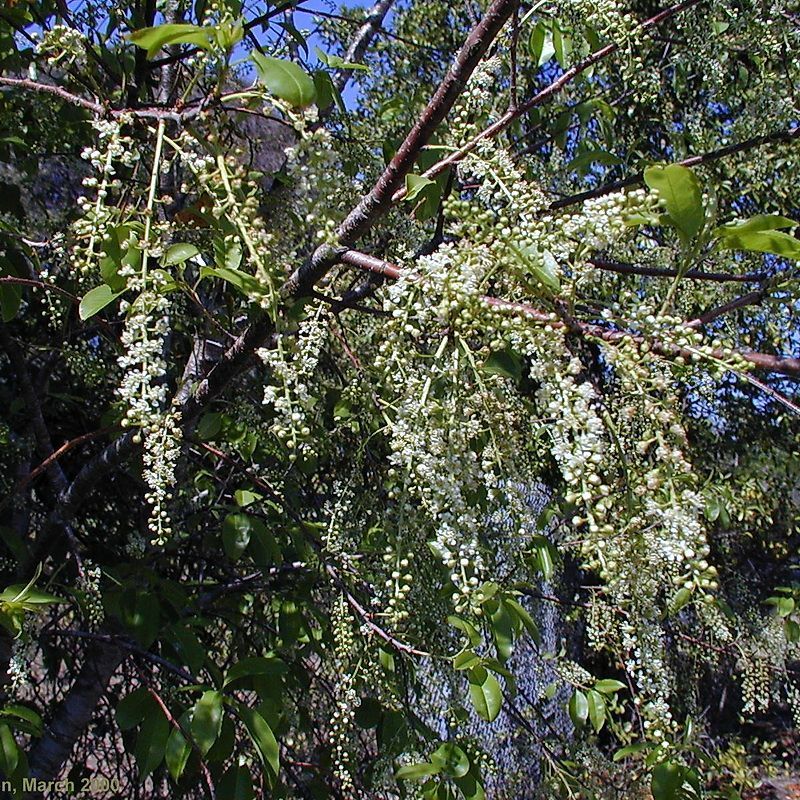
Bees are pollinators.
Larval host for tiger swallowtail.
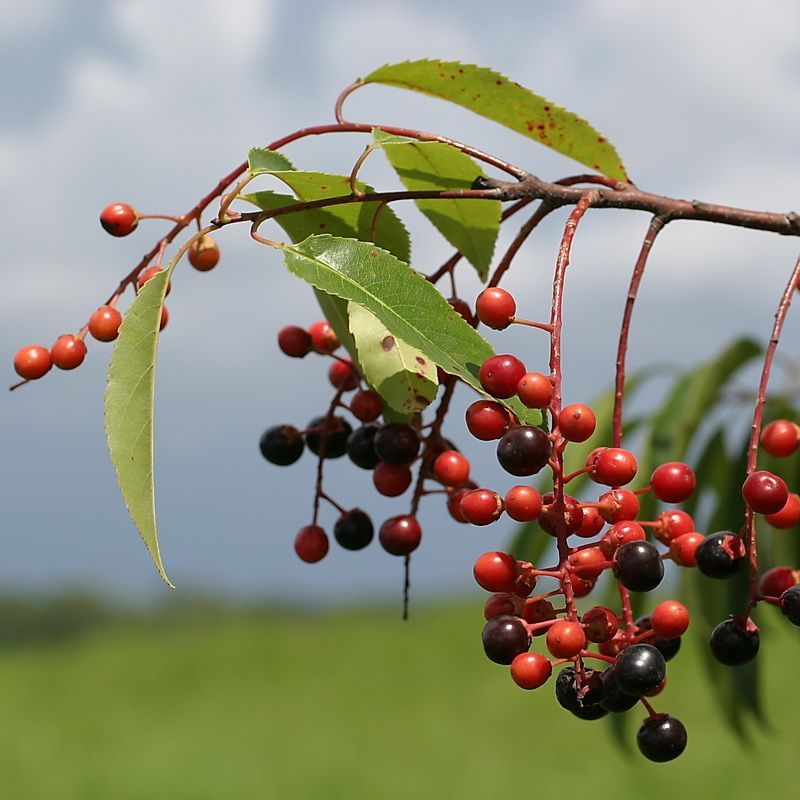
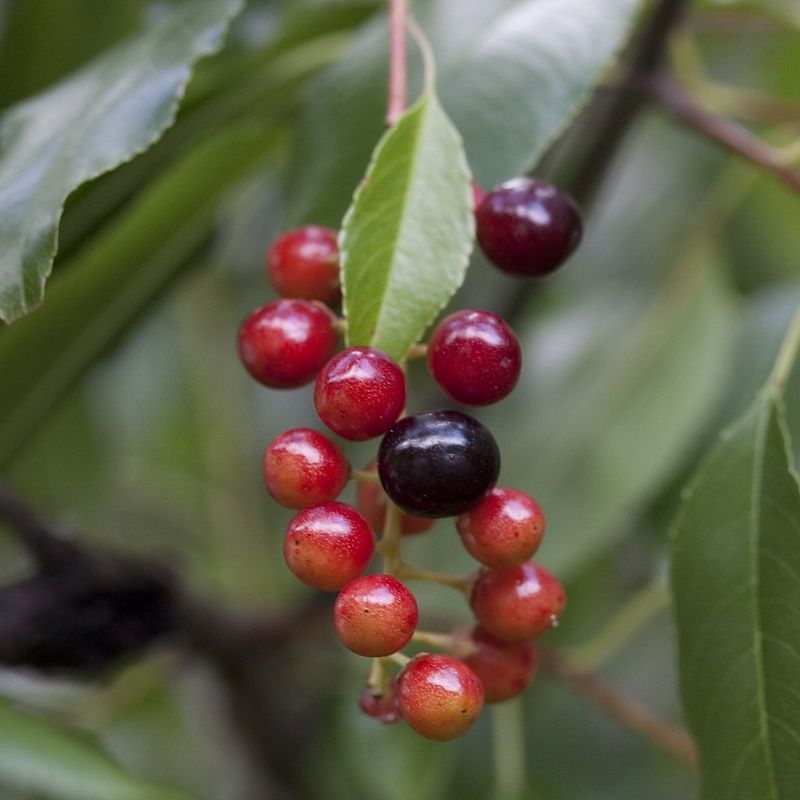
Birds and other animals eat the fruits. Birds are the primary disperser into old fields and hedge rows.
Native Habitats:
Natural Range in Florida:
Visit the USF Libraries Atlas of Florida Plants
Comments:
Ethnobotany:
General Comments:
The range of Prunus serotina includes most of eastern North America as far north as southern Canada. It extends west into Texas and there are spotty occurrences as far west as Arizona. In Florida, the range appears to be continuous as far south as the central peninsula after which it disappears, a pattern generally associated with temperature. This species should grow well down to the central peninsula.
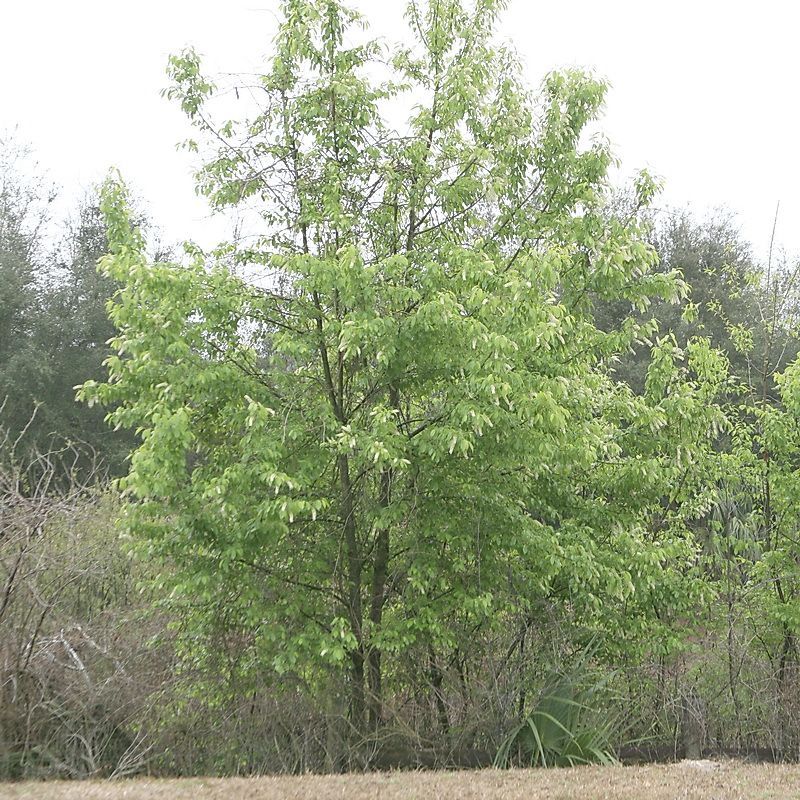
Some people consider this to be a weed tree. This author has it in my "field" where it is thriving and very welcome. It is an early successional tree, but not a problem plant. The tree lis an important component of deciduous forests in north Florida and eastern North America.

