
Nomenclature
Common Name:
Synonym(s):
Genus species:
Family:
Fagaceae
Plant Specifics
Form:
Size:
Life Span:
Long-lived perennial
Flower Color:
Fruit Color:
Phenology:
Noted For:
Landscaping
Recommended Uses:
Considerations:
Availability:
Propagation:
Light:
Moisture Tolerance:
Always Flooded------------------------------------------------Extremely Dry
Coming Soon!
Stays wet ---to--- Not wet but not extremely dry
Salt Water Flooding Tolerance:
Unknown
Salt Spray/Salty Soil Tolerance:
Low/no tolerance of salty wind or direct salt spray
Soil or Other Substrate:
Sand, Clay, Loam, Organic
Soil pH:
Suitable to Grow In:
8A,8B,9A,9B,10A,10B
Ecology
Wildlife:
Larval host for Horace’s Duskywing ( Erynnis horatius ) and White M Hairstreak ( Parrhasius m-album ).
Larval host for several moth species (some of the caterpillars are not appreciated)
Produces acorns that are used by rodents, including squirrels, and other mammals
Acorns used by woodpeckers, jays, and wild turkeys.
High in tannins.
Used for cover and nesting by a variety of bird species
Native Habitats:
Natural Range in Florida:
Visit the USF Libraries Atlas of Florida Plants
Comments:
Ethnobotany:
General Comments:
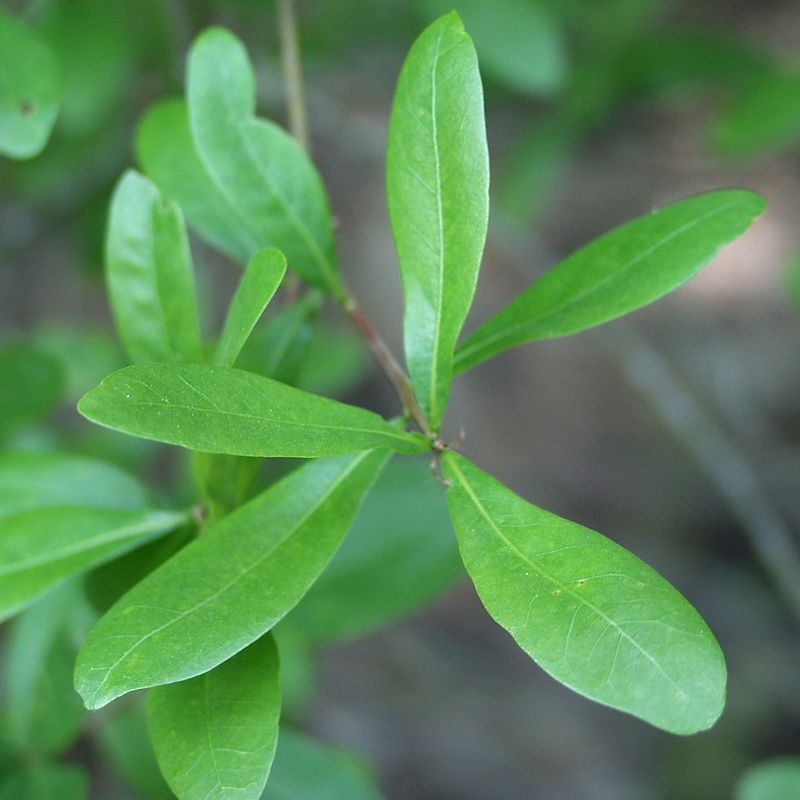
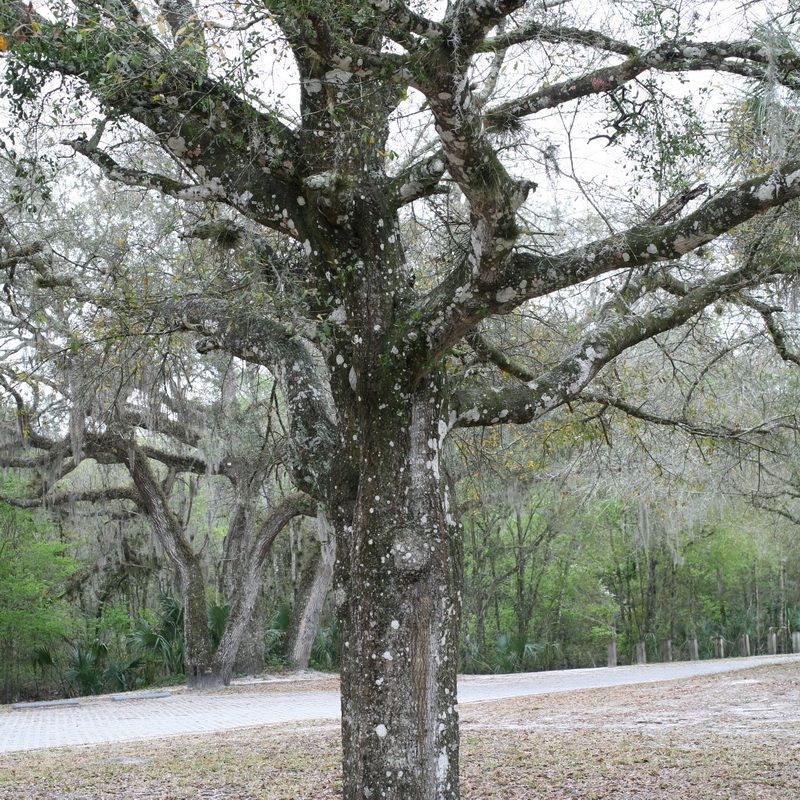
Depending on who you ask, there are two laurel oaks in Florida. Q. laurifolia (swamp laurel oak) and Q. hemisphaerica (Darlington oak, sand laurel oak).
The taxonomists don't agree, and it appears that the two are distinctively different in north Florida but very much alike in southern and south Florida.
They are separated here because one is a wetland and floodplain plant, the other grows in dry uplands. Some authors note that regardless of ID, they get planted without much regard for origin or drainage.

