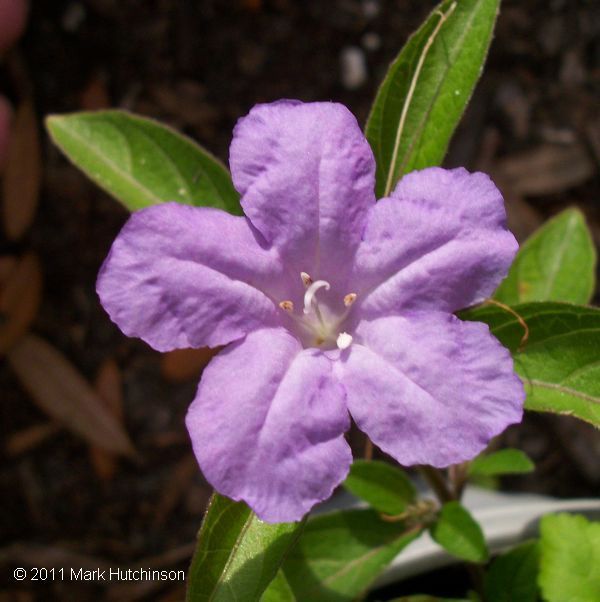
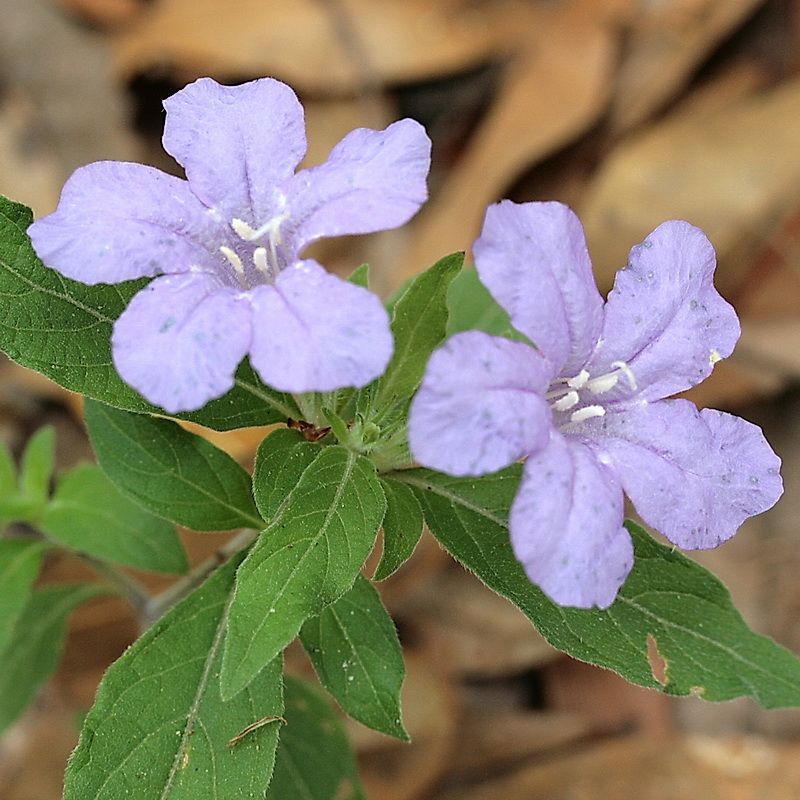
Nomenclature

Common Name:

Carolina wildpetunia, wild petunia

Synonym(s):

Genus species:

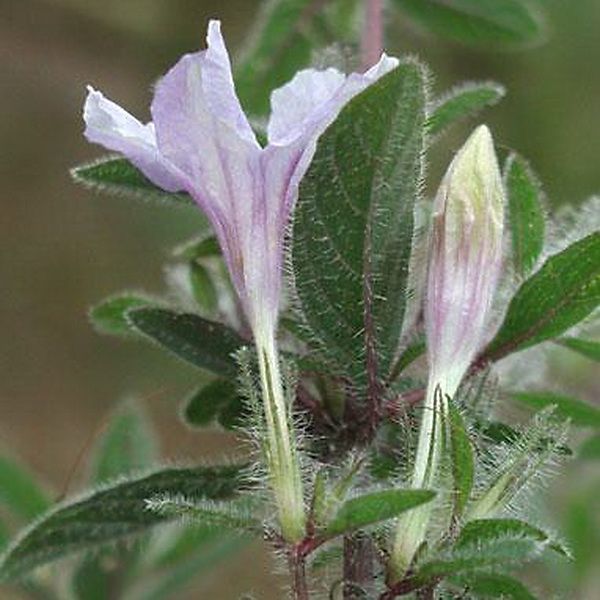
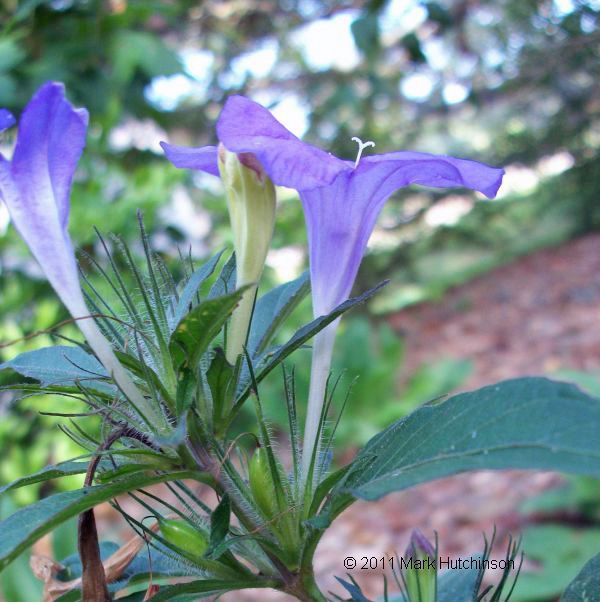
Ruellia caroliniensis

Family:

Acanthaceae

Plant Specifics

Form:

flower

Size:

1.0 to 2.5 ft tall by .75 to 2.0 ft wide

Life Span:

Long-lived perennial

Flower Color:

blue,lavender

Fruit Color:

green,brown

Phenology:

Winter dormant Blooms early spring to late-summer.

Noted For:

Showy Flowers

Landscaping

Recommended Uses:

Groundcover along with other low-growing wildflowers.

Considerations:

Availability:

Native Nurseries, FNPS Plant Sales, Seed

Propagation:

Seed capsules are mature and ready to be collected about two months after the flower withers and the capsule turns brown. These pods will eventually open on their own and self-seed, so it is best to bag the seed pods when they first turn brown. Seeds must be cold stratified to insure germination. Carolina Wild Petunia can also be propagated by summer cuttings and propagation by division once the plant is a couple of years old.

Light:

Full Sun, Part Sun, Shade

Moisture Tolerance:

Always Flooded------------------------------------------------Extremely Dry

Coming Soon!

Usually moist, occasional inundation ---to--- Somewhat long very dry periods

Salt Water Flooding Tolerance:

Unknown

Salt Spray/Salty Soil Tolerance:

Some tolerance to salty wind but not direct salt spray

Soil or Other Substrate:

Sand

Soil pH:

7.9 to 8.5

Suitable to Grow In:

8A,8B,9A,9B,10A,10B,11

Ecology

Wildlife:

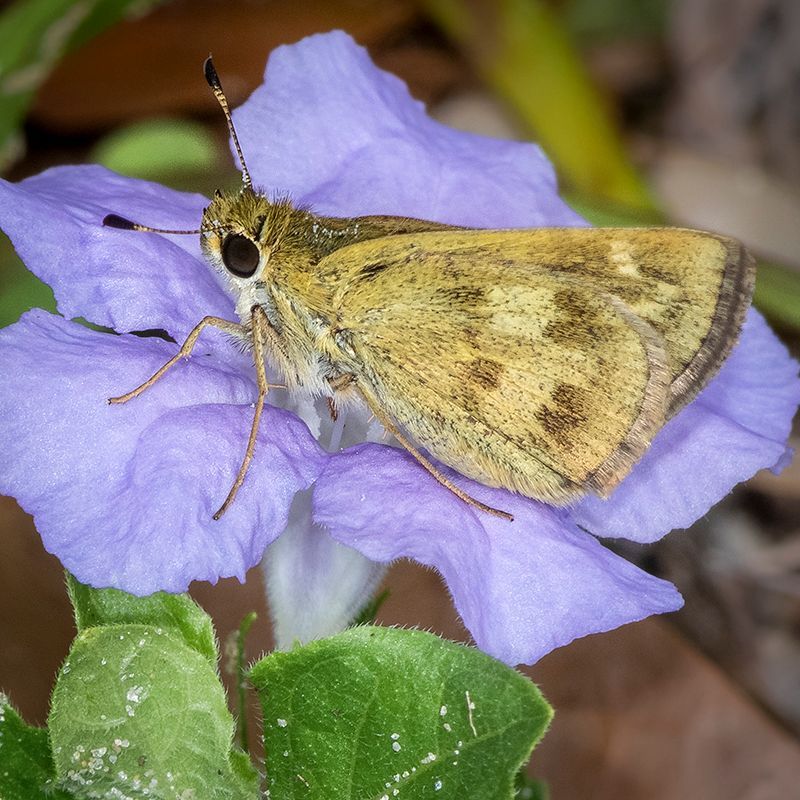
Pollinators, Caterpillars

Larval host for Common Buckeye ( Junonia coenia ) and White Peacock ( Anartia jatrophae ) butterflies.


Attracts many pollinators.

Native Habitats:

Dry mesic hammocks, flatwoods, sandhill, disturbed areas.

Natural Range in Florida:

Comments:

Ethnobotany:

General Comments:

Wild petunia's flower only last for a day, but they have a very long flowering period, starting in early spring and going strong through the fall. Please use this Florida native instead of its widely-sold relative, the invasive Mexican petunia.