

Nomenclature
Common Name:
Synonym(s):
Genus species:
Family:
Arecaceae (Palmae)
Plant Specifics
Form:
Size:
Life Span:
Long-lived perennial
Flower Color:
Fruit Color:
Phenology:
Noted For:
Landscaping
Recommended Uses:
Considerations:
Availability:
Propagation:
Light:
Moisture Tolerance:
Always Flooded------------------------------------------------Extremely Dry
Coming Soon!
Usually moist, occasional inundation ---to--- Very long very dry periods
Salt Water Flooding Tolerance:
Unknown
Salt Spray/Salty Soil Tolerance:
Moderate. Tolerant of salty wind and may get some salt spray.
Soil or Other Substrate:
Sand, Loam
Soil pH:
Suitable to Grow In:
8A,8B,9A,9B,10A,10B,11
Ecology
Wildlife:
Larval host plant for Monk Skipper ( Asbolis capucinus ) butterfly.
Pollinated by bees.
Seeds used by small mammals such as raccoons. Used by birds for nesting.
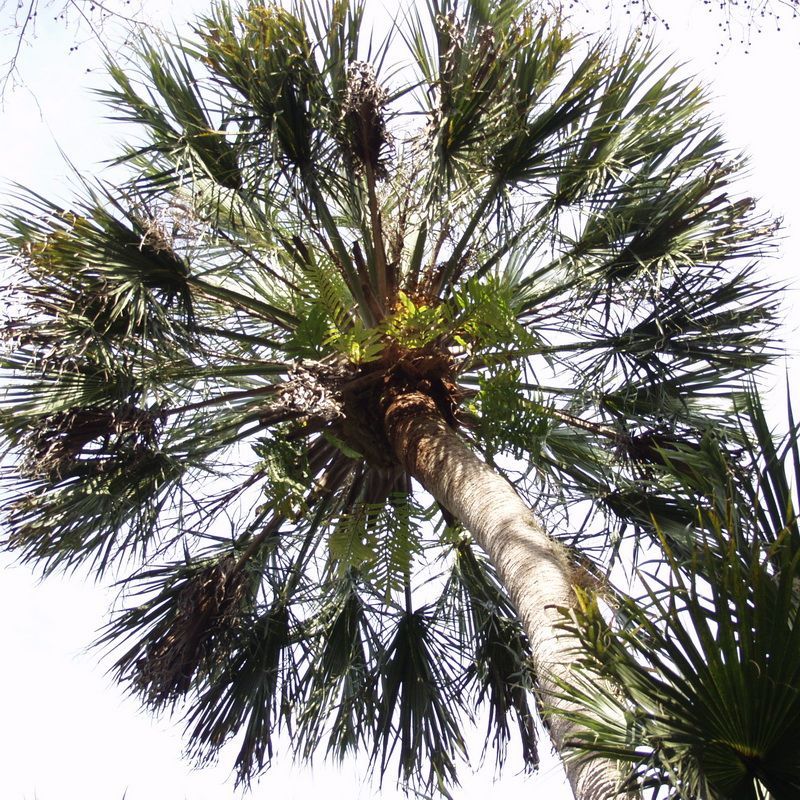
Dead palm fronds -- roosting habitat for yellow bats. Their yellowish color blends in with the color of the fronds and makes them almost invisible. The dead palm fronds hanging down below the live leaves, serve as one of their favorite roost sites. It is almost impossible to see them since they hide so well and the color of their fur blends right in with the dead palm fronds.
Native Habitats:
Natural Range in Florida:
Visit the USF Libraries Atlas of Florida Plants
Comments:
Ethnobotany:
General Comments:
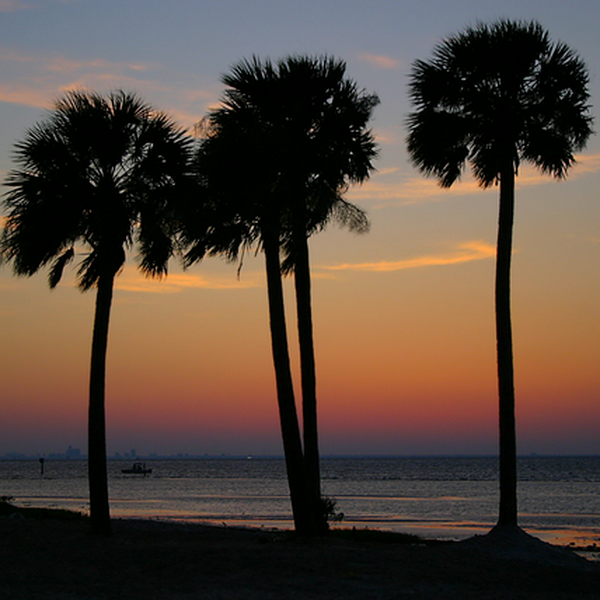
Designated as the Florida State Tree.
Trees on coastal islands in the Big Bend area are failing to reproduce due to sea level rise, and islands in the marshes are getting progressively smaller.
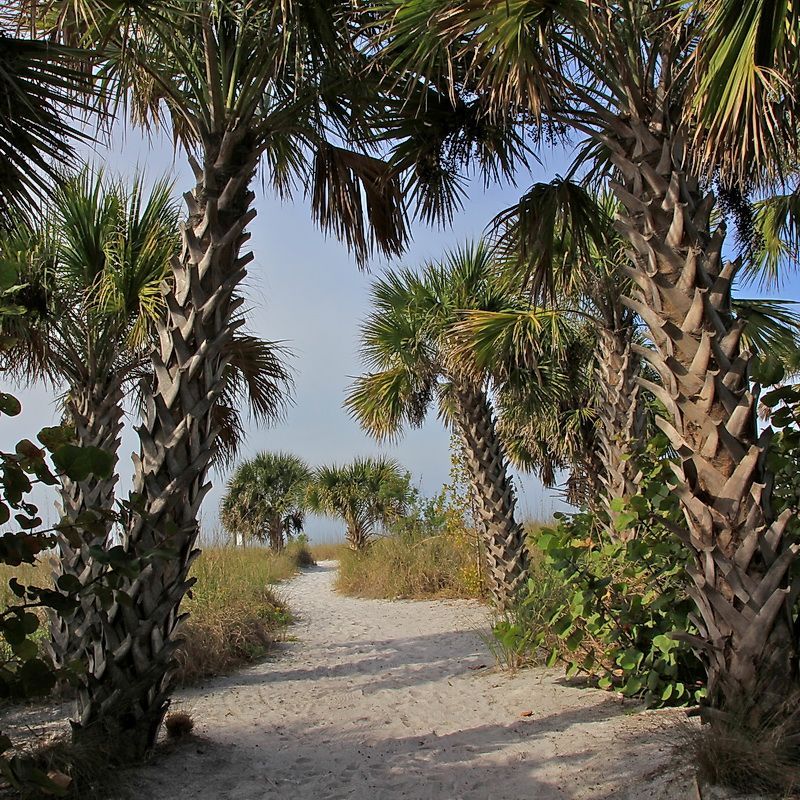
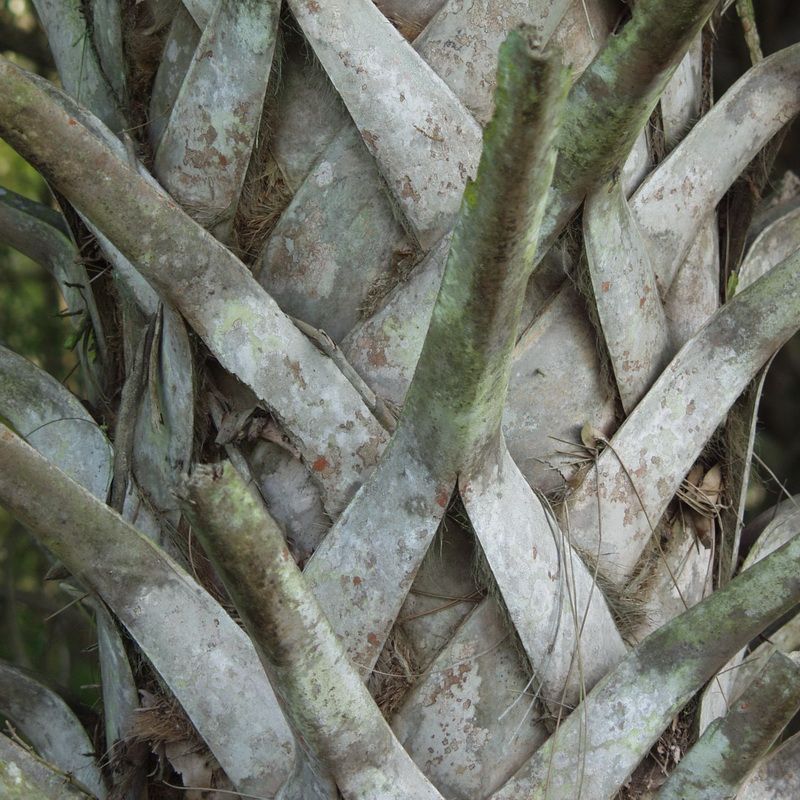
Does not produce wood with annual rings like most trees. It lives as a shrub for ten years or more until its trunk has achieved enough girth before it starts adding height. Its trunk will not add girth once this happens and palms do not have the ability to heal wounds or gouges in the trunk--so be careful with your palms.

