
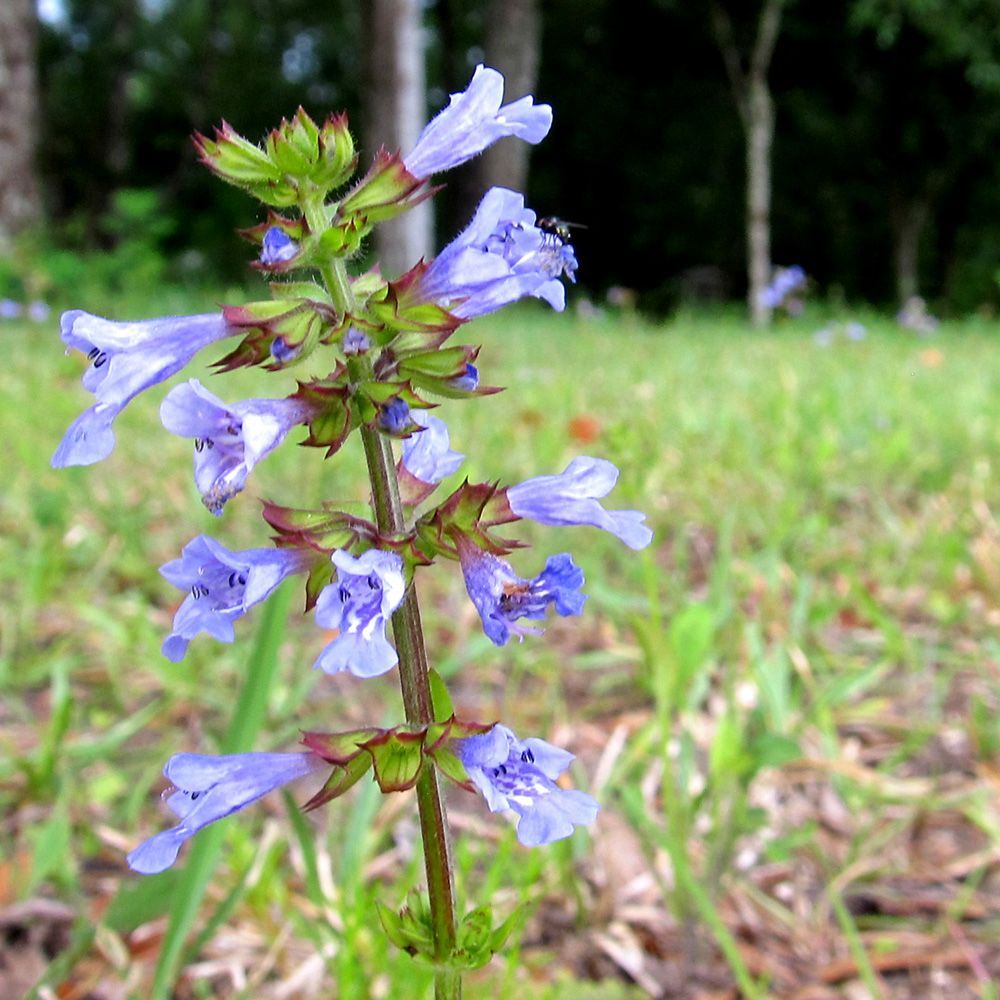
Nomenclature

Common Name:

lyre-leaved sage

Synonym(s):

Genus species:

Salvia lyrata

Family:

Lamiaceae (Labiatae)

Plant Specifics

Form:

flower

Size:

1 - 1.5 ft

Life Span:

Long-lived perennial

Flower Color:

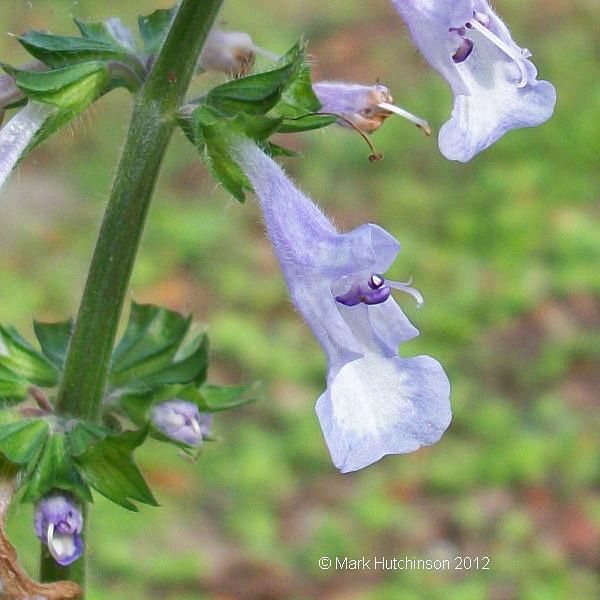
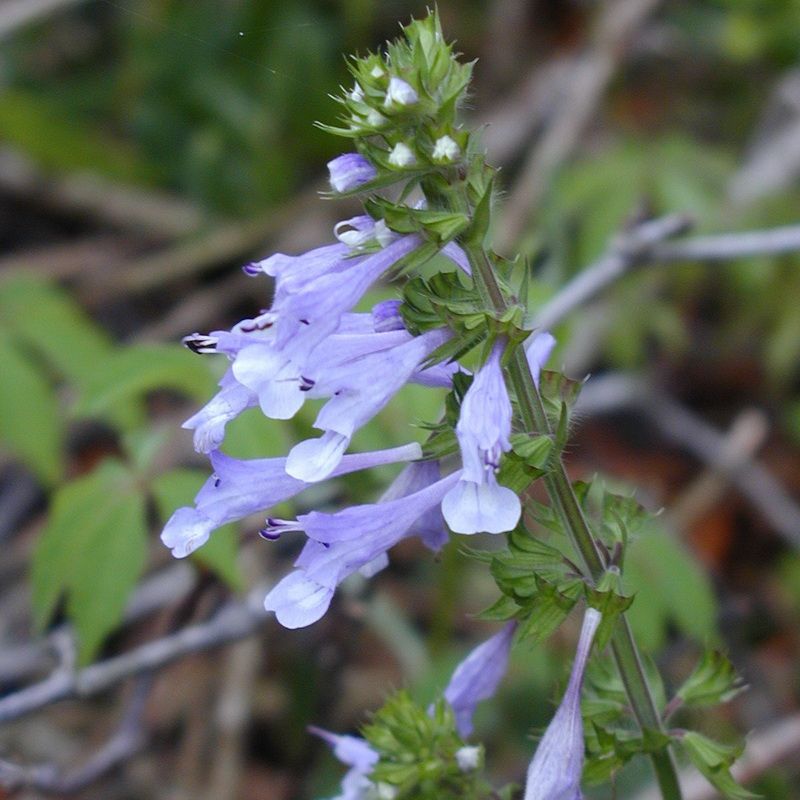
blue,lavender

Fruit Color:

brown

Phenology:

Winter dormant or with only a basal rosette. Blooms spring.

Noted For:

Showy Flowers, Interesting Foliage

Landscaping

Recommended Uses:

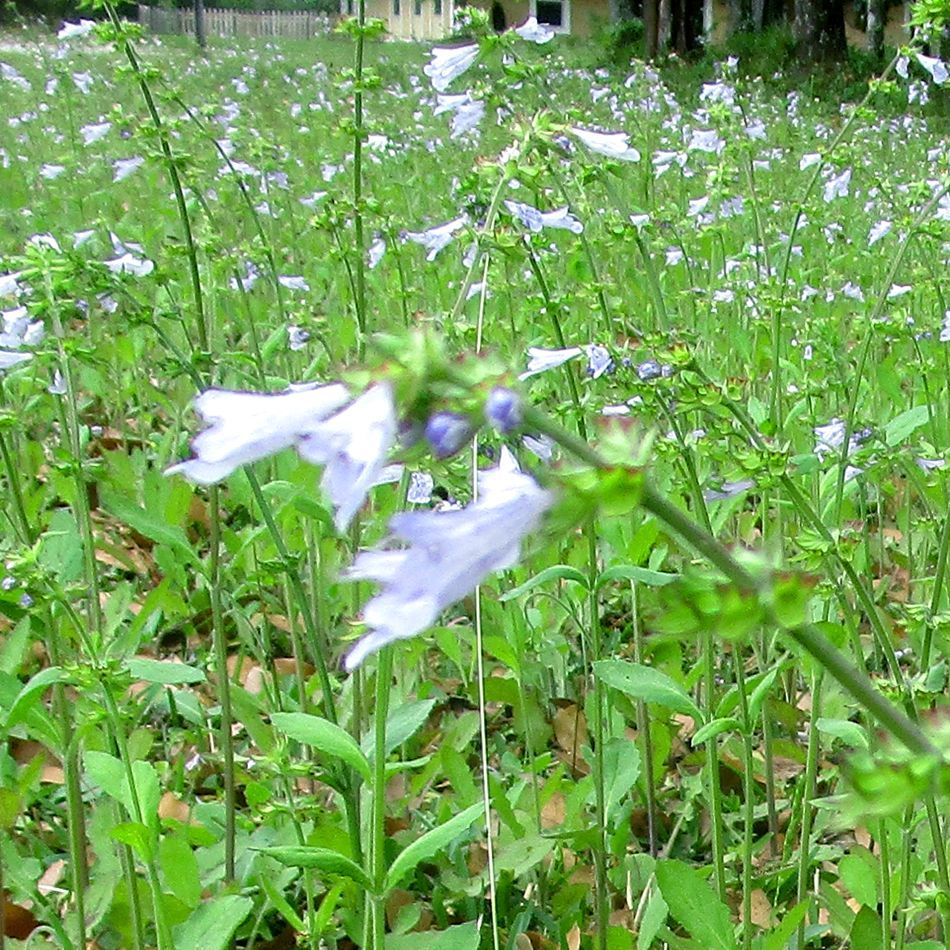
Wildflower garden. Roadside plantings. Can be mixed in with grasses or other low groundcovers. If kept mowed, it will reward you in the spring by creating a sea of blue.

Considerations:

If planning to intermix in garden or grass, be aware that this species seeds readily. It definitely does not belong in a manicured lawn.

Availability:

Native Nurseries, Seed

Propagation:

Seed (strew on top of bare soil). Division.

Light:

Full Sun, Part Sun

Moisture Tolerance:

Always Flooded------------------------------------------------Extremely Dry

Coming Soon!

Usually moist, occasional inundation ---to--- Not wet but not extremely dry

Salt Water Flooding Tolerance:

Unknown

Salt Spray/Salty Soil Tolerance:

Low/no tolerance of salty wind or direct salt spray

Soil or Other Substrate:

Sand, Clay, Loam

Soil pH:

Adaptable

Suitable to Grow In:

8A,8B,9A,9B,10A,10B

Ecology

Wildlife:

Pollinators, Butterflies, Hummingbirds

Attracts many pollinators including  butterflies and bees.

Native Habitats:

Disturbed sites. Roadsides, dry-mesic to mesic areas.

Natural Range in Florida:

Comments:

Ethnobotany:

Young leaves are sometimes used in salads or can be steamed or boiled. Leaves can also be brewed as a tea. Somewhat minty. The plant had a number of medicinal uses none of which we would want to vouch for. FNPS has not validated these statements. What you eat or drink is your own responsibility.

General Comments:

The basal leaves are usually tingled with purple and have deep lobes toward the base, which is reminiscent of the shape of a lyre.
