Nomenclature

Common Name:

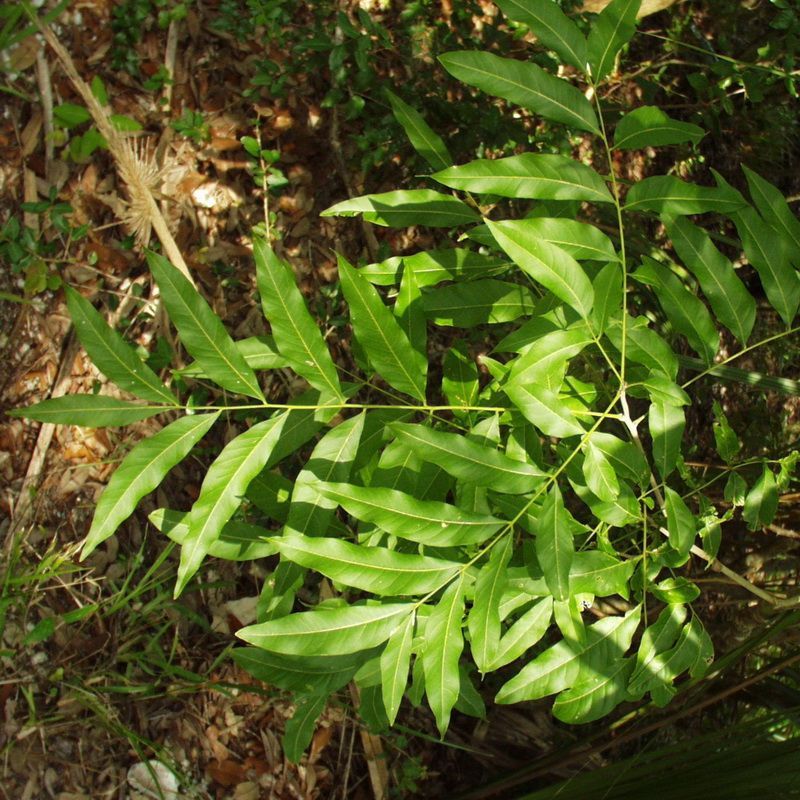
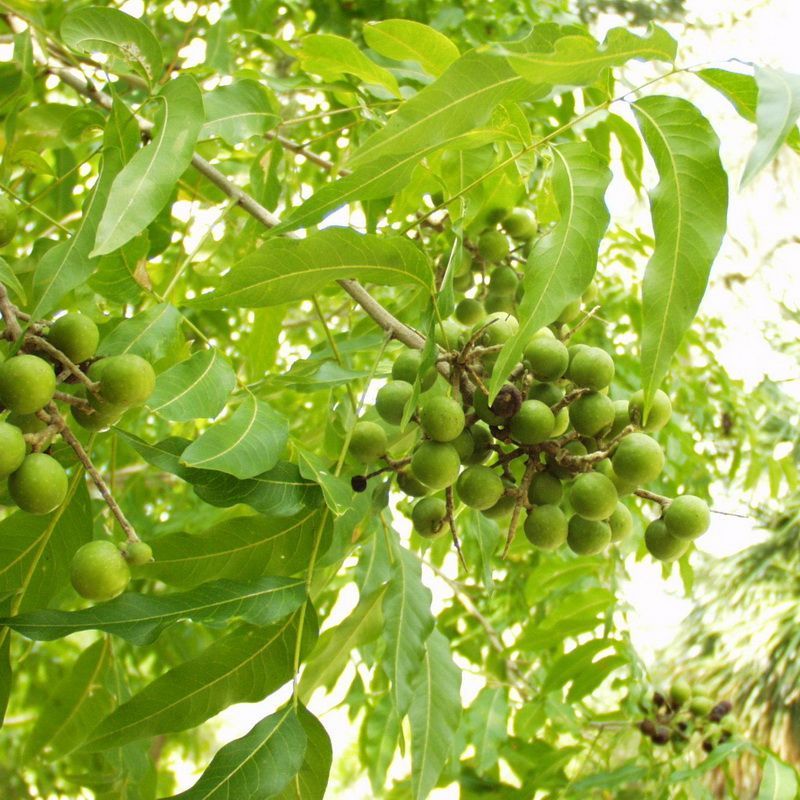
wingleaf soapberry

Synonym(s):

Genus species:

Sapindus saponaria

Family:

Sapindaceae

Plant Specifics

Form:

tree

Size:

20-30 ft in northern Florida, 30-40 ft in southern Florida.

Life Span:

Long-lived perennial

Flower Color:

white,green

Fruit Color:

brown

Phenology:

Deciduous in north Florida; evergreen in south Florida. Blooms in spring. Fruit ripens late summer-fall.

Noted For:

Interesting Foliage

Landscaping

Recommended Uses:

Shade tree or specimen tree. Leaves may be evergreen in south Florida. Can be used as a street tree.

Considerations:

Seeds are apparently poisonous.

Availability:

Native Nurseries, Seed

Propagation:

Seed.

Light:

Full Sun, Part Sun

Moisture Tolerance:

Always Flooded------------------------------------------------Extremely Dry

Coming Soon!

Somewhat moist, no flooding ---to--- Very long very dry periods

Salt Water Flooding Tolerance:

Unknown

Salt Spray/Salty Soil Tolerance:

Moderate. Tolerant of salty wind and may get some salt spray.

Soil or Other Substrate:

Sand, Loam

Soil pH:

Calcareous (high pH)

Suitable to Grow In:

8A,8B,9A,9B,10A,10B,11

Ecology

Wildlife:

Pollinators, Birds, Mammals

Flowers attract bees.

Used by wildlife for cover, food.  

Native Habitats:

Hammocks, coastal scrub, shell mounds, along streams and on limestone uplands.

Natural Range in Florida:

Comments:

Ethnobotany:

Saponin (extracted from the fruit) is an antimicrobial detergent. The plant has been used as a cure for a variety of ailments including skin problems, migraine headaches, epilepsy, and tumors. Recent research (2011) appears to support the folk-medicine use as an antivenom (please, get to a doctor immediately if bitten by a venomous snake -- don't self medicate!) 

General Comments:

Range likely includes all of Florida.  It is sporadic in northern Florida.
