

Nomenclature
Common Name:
Synonym(s):
Genus species:
Family:
Sarraceniaceae
Plant Specifics
Form:
Size:
Life Span:
Long-lived perennial
Flower Color:
Fruit Color:
Phenology:
Noted For:
Landscaping
Recommended Uses:
Considerations:
Availability:
Propagation:
Light:
Moisture Tolerance:
Always Flooded------------------------------------------------Extremely Dry
Coming Soon!
Usually moist, occasional inundation ---to--- Usually moist, occasional inundation
Salt Water Flooding Tolerance:
Unknown
Salt Spray/Salty Soil Tolerance:
Low/no tolerance of salty wind or direct salt spray
Soil or Other Substrate:
Soil pH:
Suitable to Grow In:
Ecology
Wildlife:
Insectivorous.
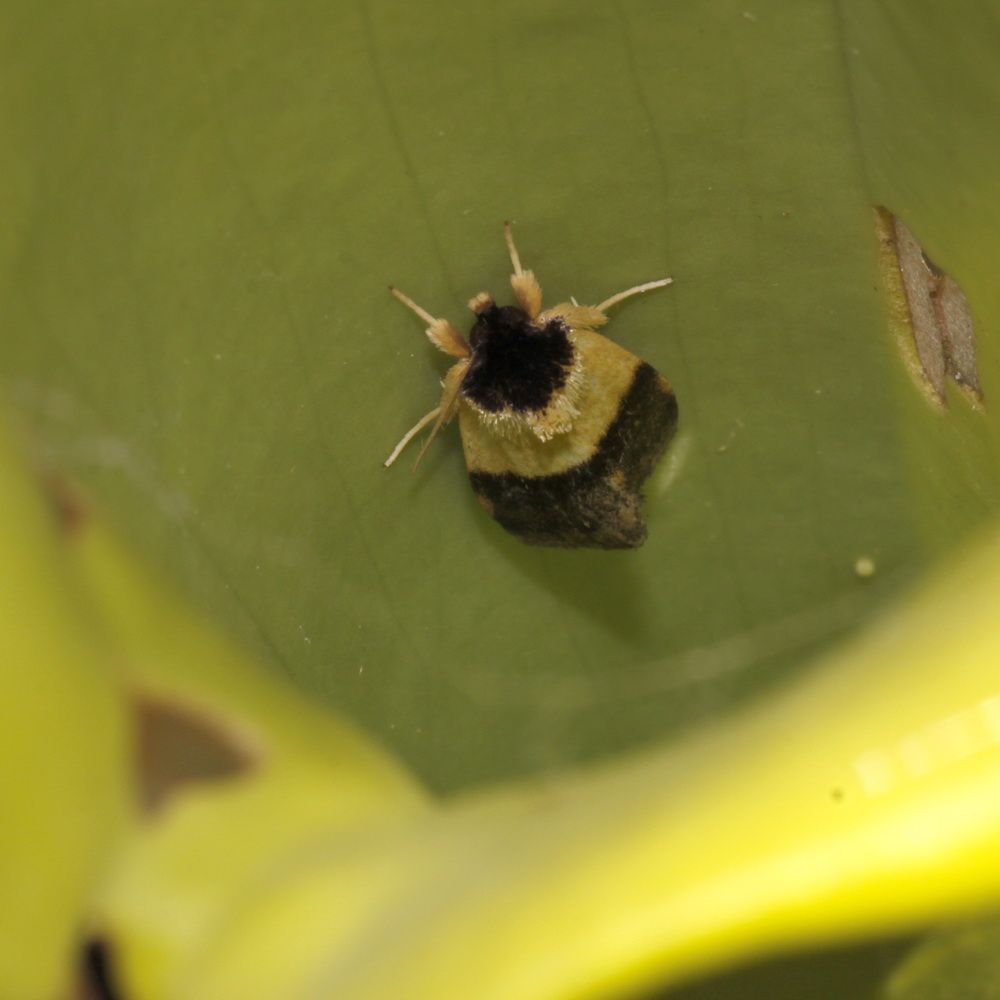
Larval host for epaulleted pitcher plant moth.
A number of insect groups visit the flowers but their role in pollination is unknown. Most likely as pollinators are small bees.
Native Habitats:
Natural Range in Florida:
Visit the USF Libraries Atlas of Florida Plants
Comments:
Ethnobotany:
General Comments:
Found from Alabama (probably also in Mississippi), east into Florida and up the coastal plain to Virginia with occasional outlying populations.
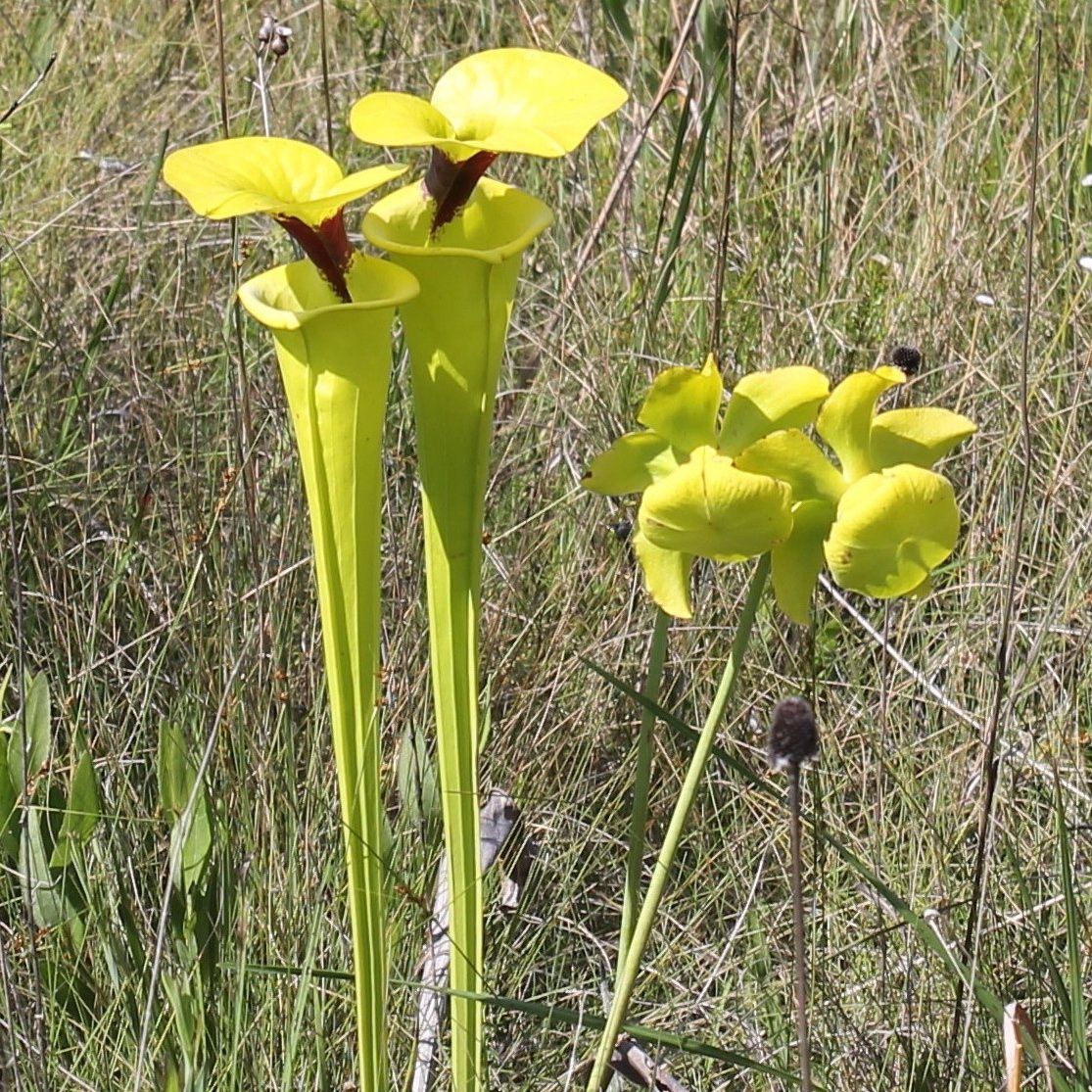
Trapping insects in the trumpet-shaped leaves is an adaptation to nutrient-poor soil conditions of wet or frequently flooded areas in the Atlantic Coastal Plain. Insects are lured into the slippery waxy portion of the upper pitcher tube by attractant odors and then slide down a coating of ultra-fine, downward point hairs, hitting the digestive enzymes.

