
Nomenclature
Common Name:
Synonym(s):
Genus species:
Family:
Lauraceae
Plant Specifics
Form:
Size:
Life Span:
Long-lived perennial
Flower Color:
Fruit Color:
Phenology:
Noted For:
Landscaping
Recommended Uses:
Considerations:
Availability:
Propagation:
Light:
Moisture Tolerance:
Always Flooded------------------------------------------------Extremely Dry
Coming Soon!
Somewhat moist, no flooding ---to--- Very long very dry periods
Salt Water Flooding Tolerance:
Unknown
Salt Spray/Salty Soil Tolerance:
Low/no tolerance of salty wind or direct salt spray
Soil or Other Substrate:
Sand, Clay, Loam
Soil pH:
Suitable to Grow In:
8A,8B,9A,9B
Ecology
Wildlife:
Larval food for spicebush butterfly( Papilio troilus ), tiger swallow-tail( papilio glaucus ), palamedes butterfly ( Papilio palamedes ).
Flowers attract pollinators.
Birds consume fruit.
Native Habitats:
Natural Range in Florida:
Visit the USF Libraries Atlas of Florida Plants
Comments:
Ethnobotany:
General Comments:
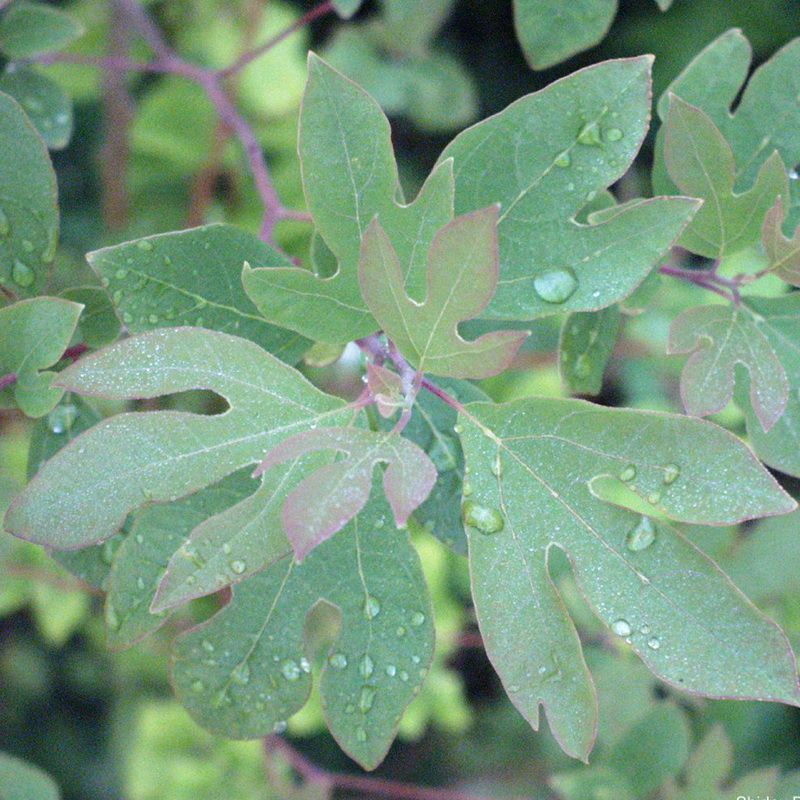
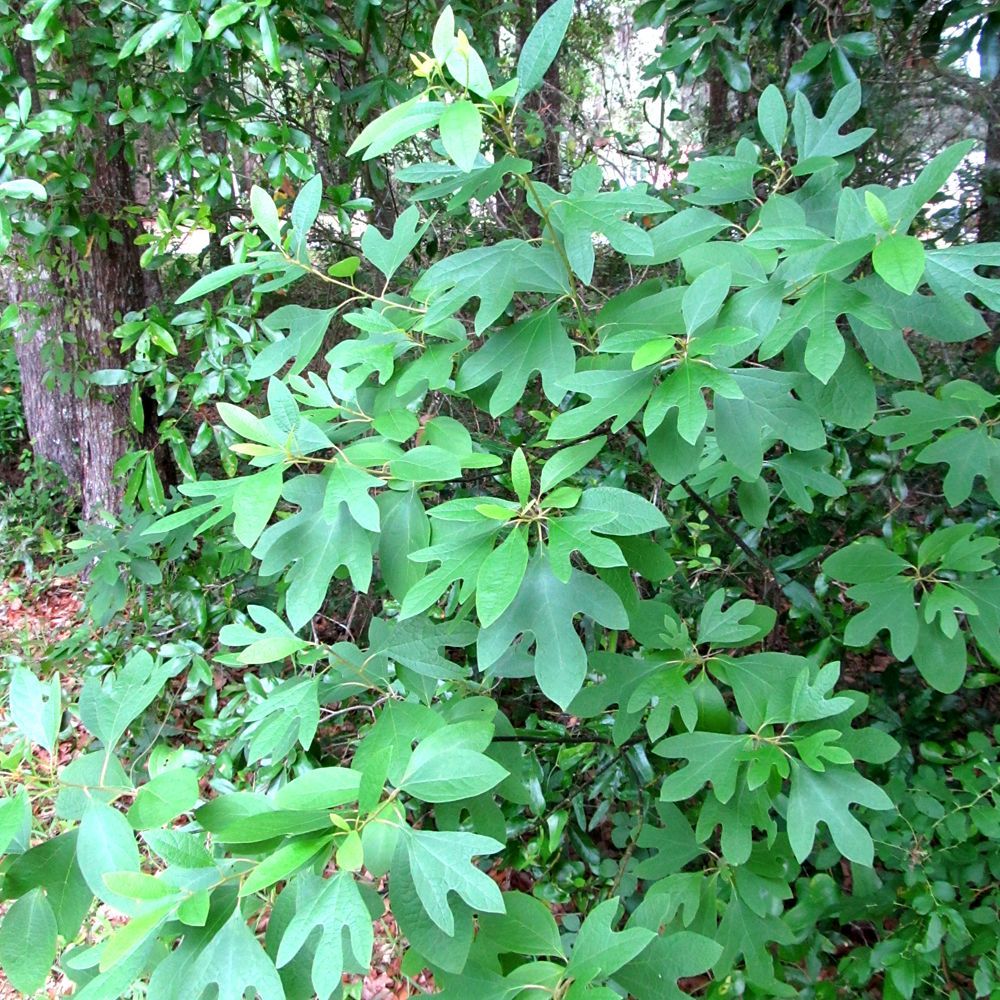
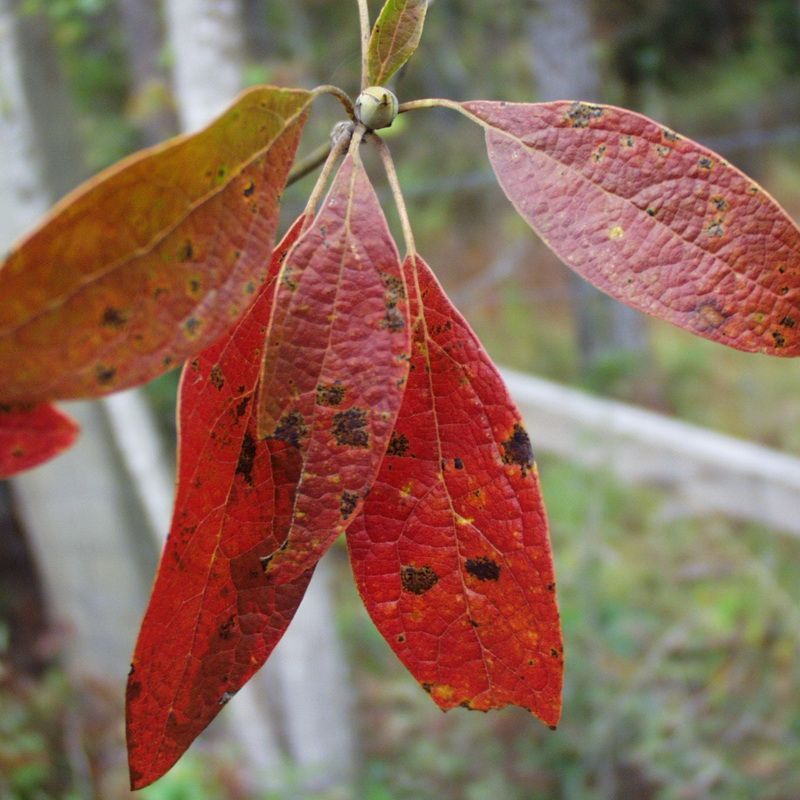
Red/orange fall color is excellent. Leaves have three separate shapes: ovoid, tri-lobed, or mitten-shaped (left or right). Mature trees tend to have fewer lobed leaves.
Subject to laurel wilt disease. Please be careful not to move firewood or dead wood around. Best not planted in areas where laurel wilt is present.

