

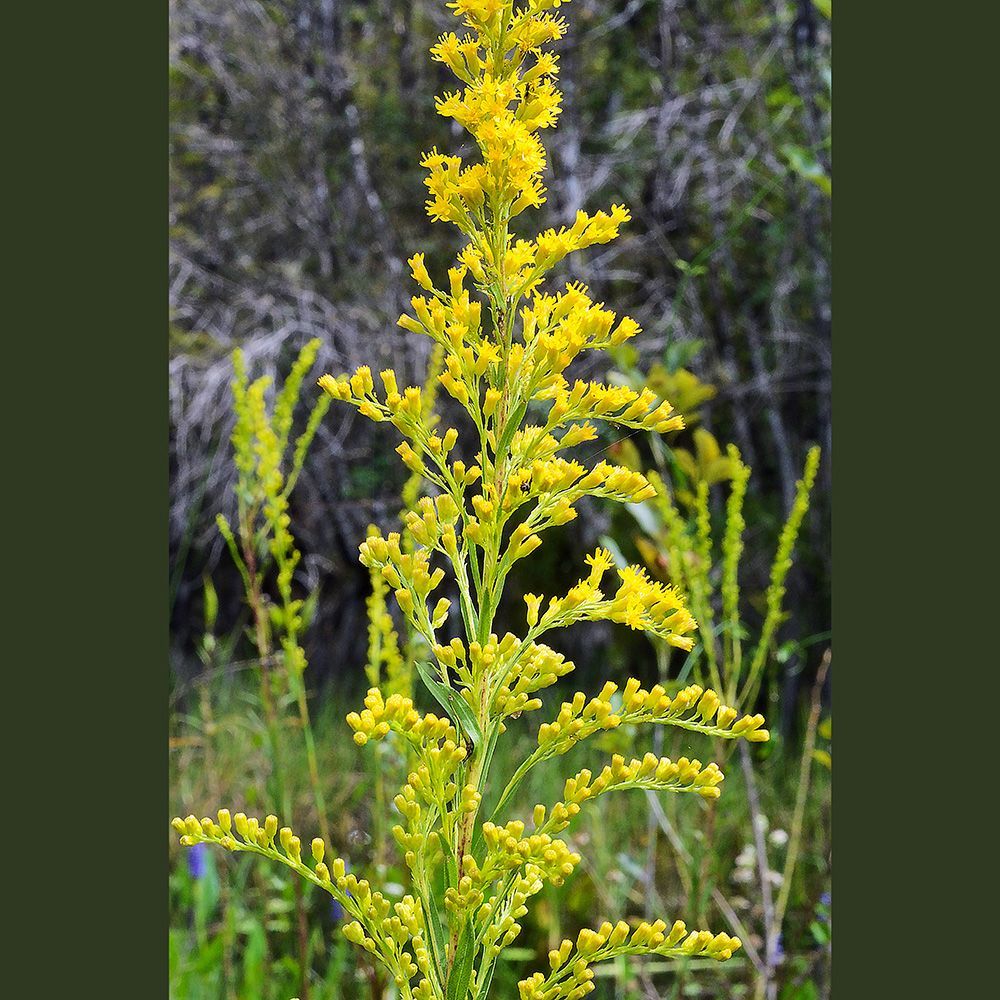
Nomenclature
Common Name:
Synonym(s):
Genus species:
Family:
Asteraceae (Compositae)
Plant Specifics
Form:
Size:
Life Span:
Long-lived perennial
Flower Color:
Fruit Color:
Phenology:
Noted For:
Landscaping
Recommended Uses:
Considerations:
Availability:
Propagation:
Light:
Moisture Tolerance:
Always Flooded------------------------------------------------Extremely Dry
Coming Soon!
Not wet but not extremely dry ---to--- Short very dry periods
Salt Water Flooding Tolerance:
Unknown
Salt Spray/Salty Soil Tolerance:
High. Can tolerate significant and ongoing amounts of salt.
Soil or Other Substrate:
Soil pH:
Suitable to Grow In:
Ecology
Wildlife:
- Used for nectar by butterflies.
- Attracts a wide variety of pollinators, especially bees. Chauliognathus pensylvanicus is one or the many goldenrod pollinators ( FL Wildflower Foundation ).
- Is a larval food for some lepidopterans, mostly moths.
- Songbirds such as goldfinches and sparrows eat the seeds, and mice and deer browse the foliage and flowers.
- Birds feed on the insects collecting pollen and nectar.
- Provides cover for many small animals including but not limited to lizzards, skinks, snakes, and mice.
Native Habitats:
Natural Range in Florida:
Visit the USF Libraries Atlas of Florida Plants
Comments:
Ethnobotany:
The leaves can be used to make a tea.
Goldenrods are not a cause of hay fever. They got the blame for ragweed which blooms at the same time of year.
General Comments:

