Nomenclature
Common Name:
Synonym(s):
Genus species:
Family:
Meliaceae
Plant Specifics
Form:
Size:
Life Span:
Long-lived perennial
Flower Color:
Fruit Color:
Phenology:
Noted For:
Landscaping
Recommended Uses:
Considerations:
Availability:
Propagation:
Light:
Moisture Tolerance:
Always Flooded------------------------------------------------Extremely Dry
Coming Soon!
Somewhat moist, no flooding ---to--- Short very dry periods
Salt Water Flooding Tolerance:
Unknown
Salt Spray/Salty Soil Tolerance:
Low/no tolerance of salty wind or direct salt spray
Soil or Other Substrate:
Sand, Clay, Loam, Lime Rock
Soil pH:
Suitable to Grow In:
10A,10B,11
Ecology
Wildlife:
Attracts a diverse community of small butterflies and moths. Many species of ants, thrips, small beetles, flies, bees, and wasps also visit flowers, many of these feeding on the basal nectary.
Native Habitats:
Natural Range in Florida:
Visit the USF Libraries Atlas of Florida Plants
Comments:
Ethnobotany:
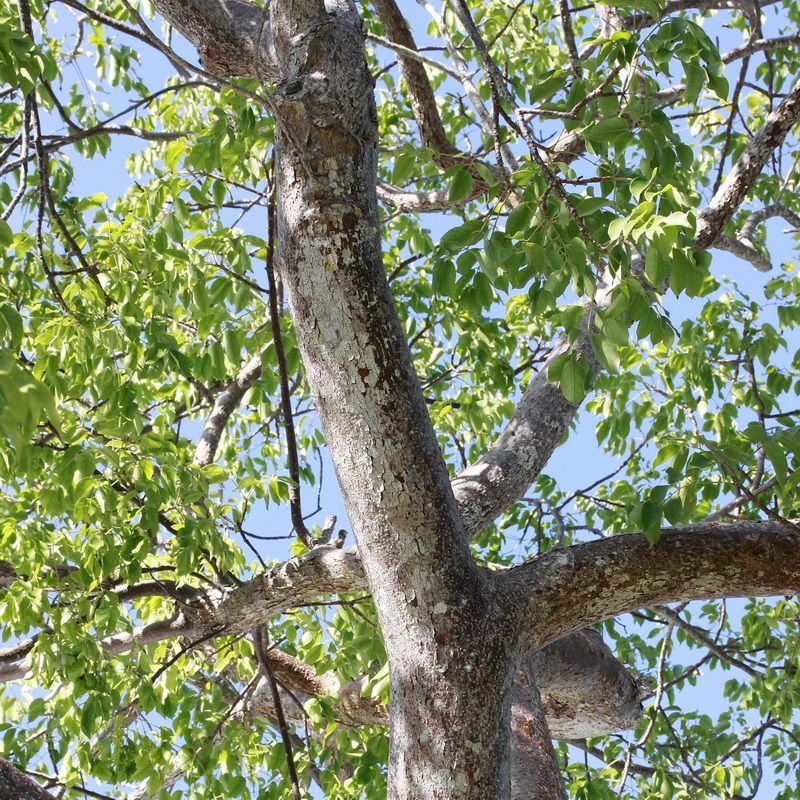
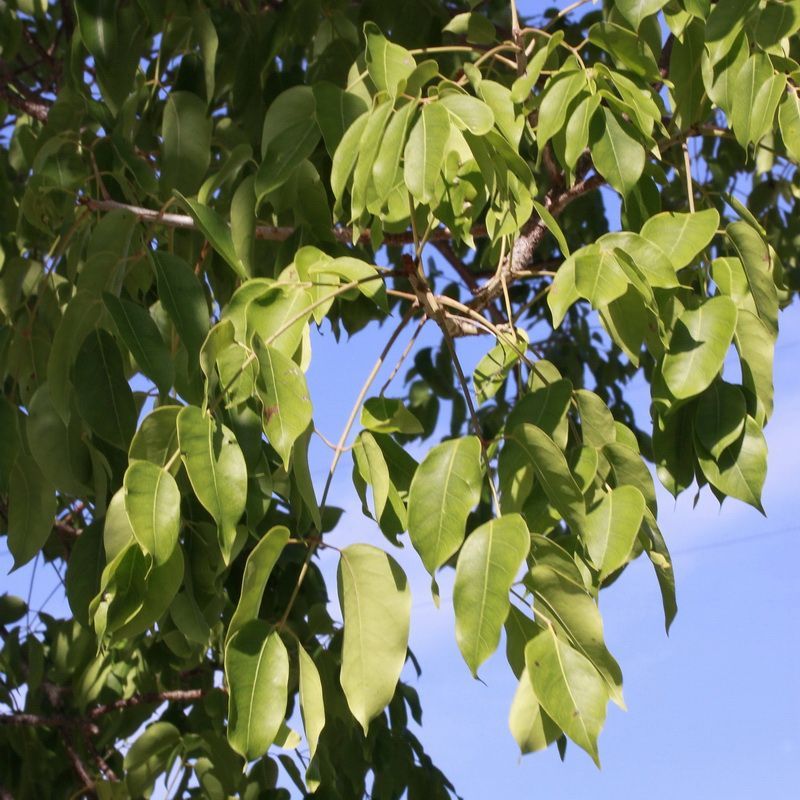
This is the original source of commercial mahogany, now replaced by Honduras mahogany (S. macrophylla). It was heavily logged in South Florida prior to the 1900s.
General Comments:
Listed as Threatened by the Florida FDACS.
Host plant for mahogony mistletoe,Phoradendron rubrum, which is listed as Endangered by the Florida FDAS.
There are reports that this tree is becoming invasive in southern Florida in some areas beyond its natural range.

