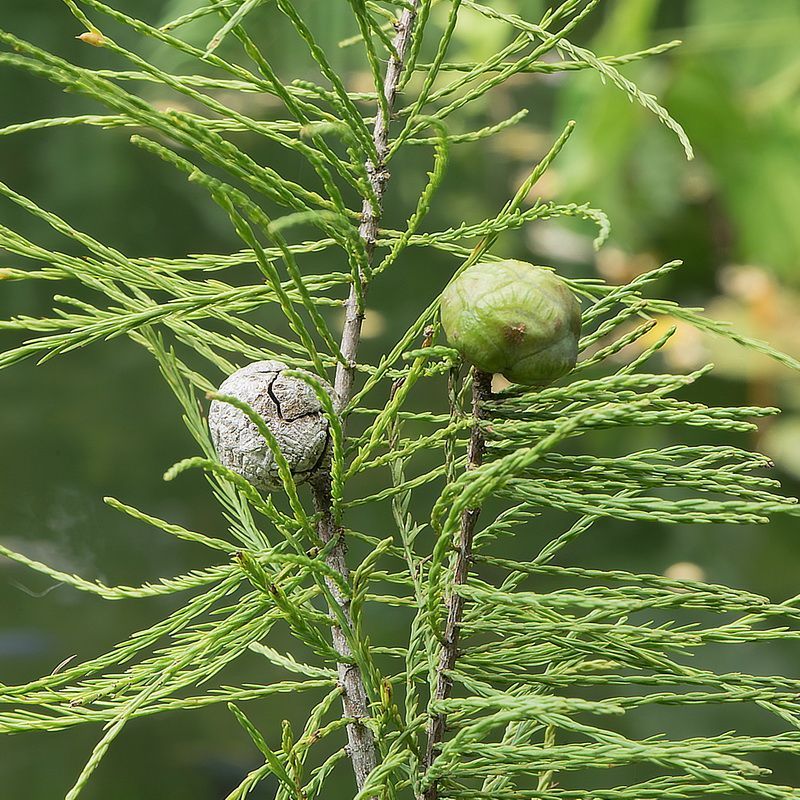
Photo by: Roger Hammer, Dade Chapter FNPS
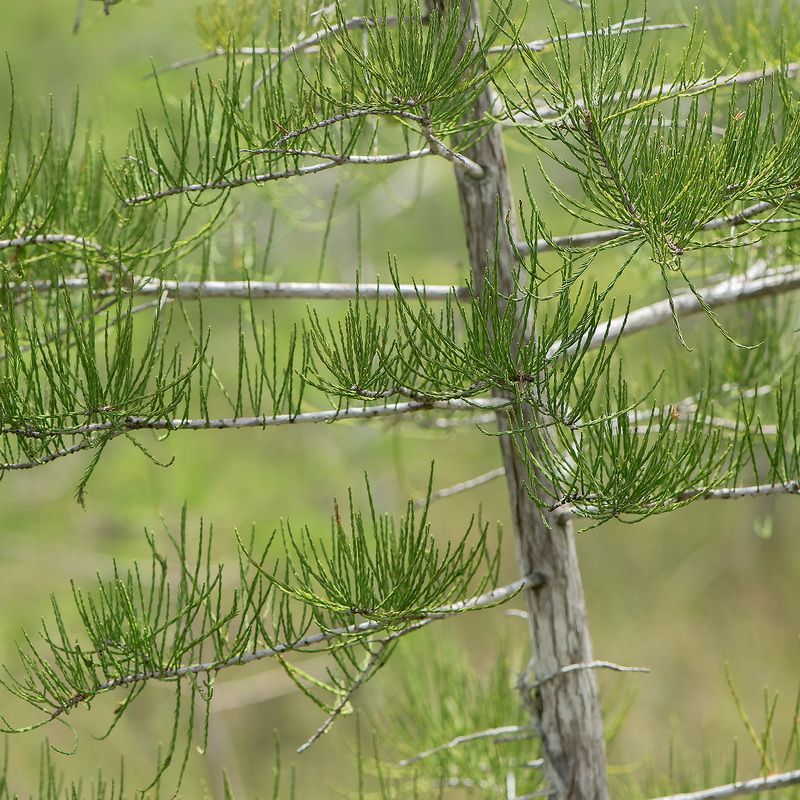
Photo by: Roger Hammer, Dade Chapter FNPS

Photo by: Carolyn Moore
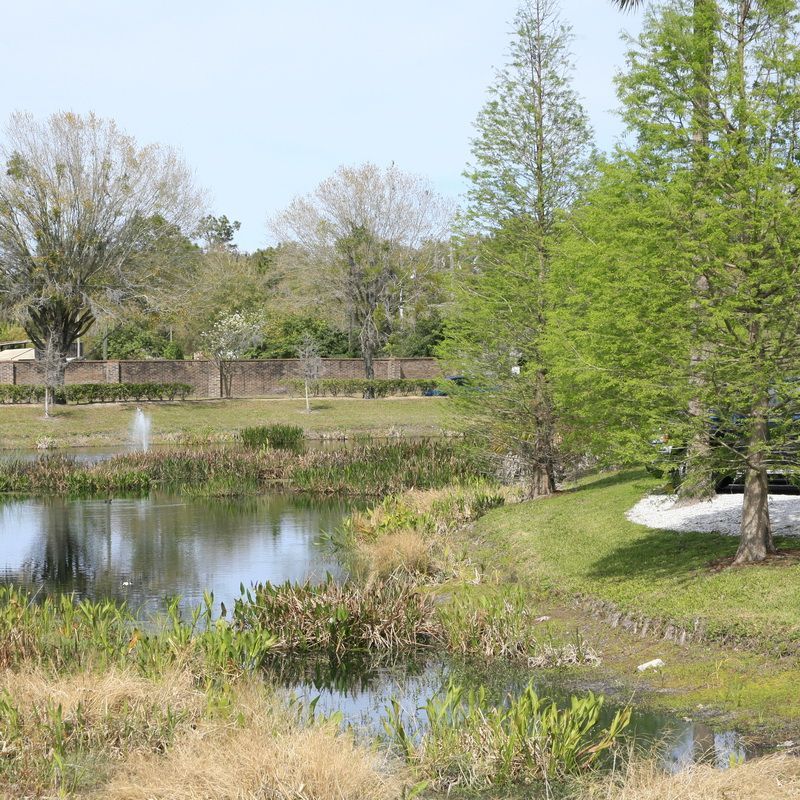
Photo by: Shirley Denton, Suncoast Chapter FNPS
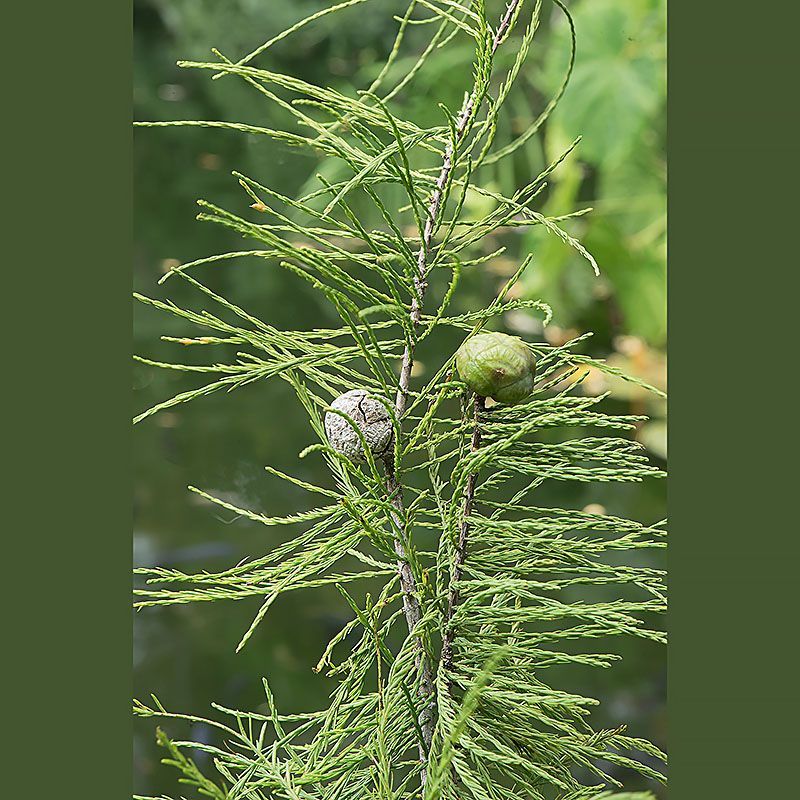
Photo by: Roger Hammer, Dade Chapter FNPS
Nomenclature
Common Name:
pond cypress
Synonym(s):
Genus species:
Taxodium ascendens
Family:
Cupressaceae
Plant Specifics
Form:
tree
Size:
50 - 85 ft tall by 15-30 ft wide. Depending on nutrients and water regime, this can be a small tree or tree-like shrub or it can be a large tree.
Life Span:
Long-lived perennial
Flower Color:
NA
Fruit Color:
brown
Phenology:
Deciduous
Noted For:
Hurricane Wind Resistance, Fall Color, Interesting Foliage
Landscaping
Recommended Uses:
Specimen tree. Mass plantings in moist areas. Wetland restoration and enhancement.
Considerations:
May produce knees (roots that poke up above ground level) even if grown in uplands. This species is less prone to knees than bald cypress(T. distchum).
Availability:
Quality Nurseries, Native Nurseries, Specialty Provider, Seed
Propagation:
Cones. Needs good moisture (but not flooding) to sprout. Can be transplanted into moist uplands with expectation of success.
Light:
Full Sun, Part Sun
Moisture Tolerance:
Always Flooded------------------------------------------------Extremely Dry
Coming Soon!
Aquatic ---to--- Somewhat moist, no flooding
Salt Water Flooding Tolerance:
Unknown
Salt Spray/Salty Soil Tolerance:
Some tolerance to salty wind but not direct salt spray
Soil or Other Substrate:
Sand, Loam, Organic
Soil pH:
acidic
Suitable to Grow In:
8A,8B,9A,9B,10A,10B
Ecology
Wildlife:
Birds, Mammals
Seeds are used by some mammals and seed-eating birds.
Native Habitats:
Usually found in smaller wetlands that historically burned. Restricted to areas that dry out periodically (for reproduction) and naturally found in areas that flood (for seed dispersal).
Natural Range in Florida:
Visit the USF Libraries Atlas of Florida Plants
Comments:
Ethnobotany:
General Comments:
This is a deciduous conifer.

