
Nomenclature

Common Name:

bald cypress

Synonym(s):

Genus species:

Taxodium distichum

Family:

Cupressaceae

Plant Specifics

Form:

tree

Size:

50 - 75 ft tall by 30-45 ft wide

Life Span:

Long-lived perennial

Flower Color:

NA

Fruit Color:

brown

Phenology:

Deciduous. Very long-lived possibly exceeding 1000 yrs (Nelson 2003).

Noted For:

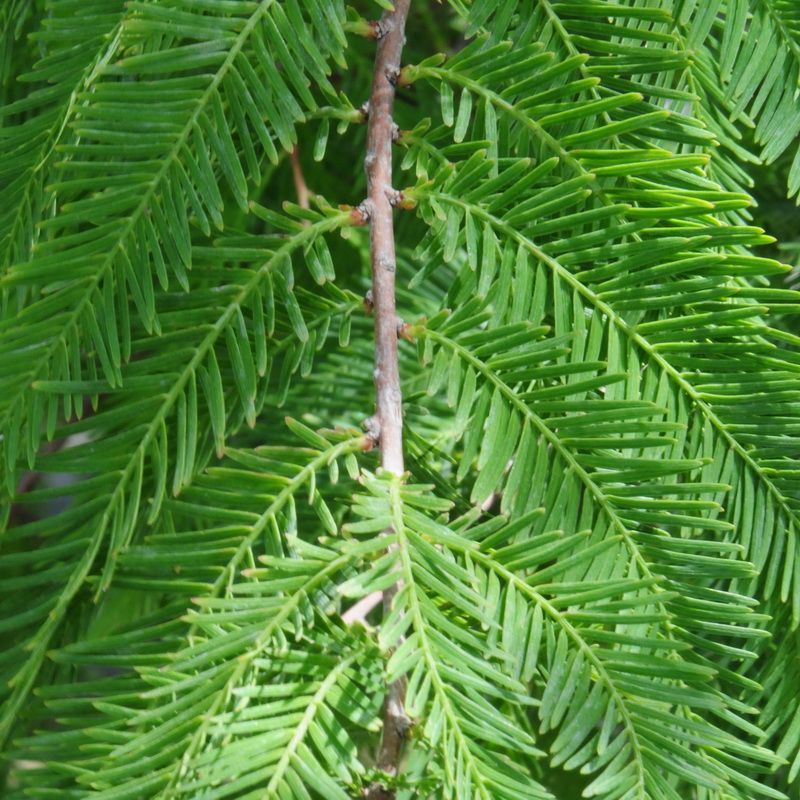
Hurricane Wind Resistance, Fall Color, Interesting Foliage

Landscaping

Recommended Uses:

Can be used as a specimen tree, planted in floodplain areas, or planted in relatively moist uplands. Large rain gardens and bioswales. Tolerant of root disturbance, so a candidate for use as a street/parking lot tree.

Considerations:

Can produce knees, even if grown in uplands.

Availability:

Quality Nurseries, Native Nurseries, FNPS Plant Sales, Specialty Provider, Seed

Propagation:

Can be grown from seed. Requires moist but not inundated sites for germination and early growth. Requires flooding for seed dispersal.

Light:

Full Sun, Part Sun

Moisture Tolerance:

Always Flooded------------------------------------------------Extremely Dry

Coming Soon!

Stays wet ---to--- Somewhat moist, no flooding

Salt Water Flooding Tolerance:

Unknown

Salt Spray/Salty Soil Tolerance:

Low/no tolerance of salty wind or direct salt spray

Soil or Other Substrate:

Sand, Clay, Loam, Organic

Soil pH:

Acidic to neutral

Suitable to Grow In:

8A,8B,9A,9B,10A,10B

Ecology

Wildlife:

Caterpillars, Birds, Mammals

Larval host for baldcypress sphinx ( Isoparce cupressi ) moth.

Attracts seed-eating birds. Valuable as roosting and nesting areas for colonial wading birds. 

Native Habitats:

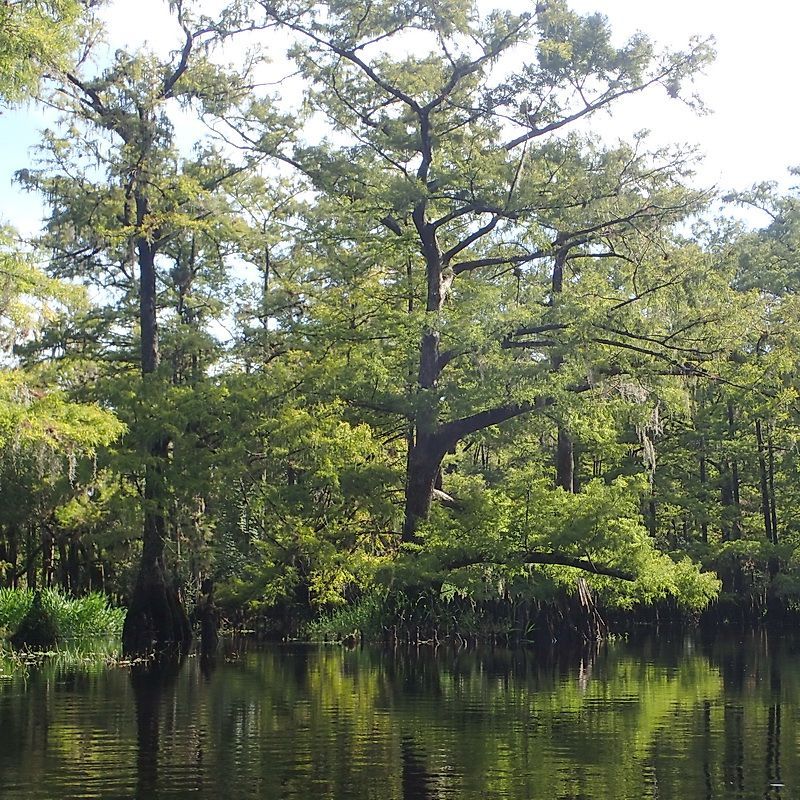
Riverine swamps, large swamps around lakes. Inundated areas associated with some form of flowing water. Floodplains, sloughs, strands. May be associated with a longer fire return interval than T. ascendens.

Natural Range in Florida:

Comments:

Ethnobotany:

Old trees were exceeding valuable as a source of wood that was rot resistant. Younger trees with little heartwood do not share this characteristic.

General Comments:

Younger specimens have a conical shape, but older trees tend to flatten out at the top. In some areas, the strangler fig (Ficus aurea)has strangled many mature bald cypress trees--The Corkscrew Swamp is an example of this.
