
Nomenclature
Common Name:
Synonym(s):
Genus species:
Family:
Lamiaceae (Labiatae)
Plant Specifics
Form:
Size:
Life Span:
Long-lived perennial
Flower Color:
Fruit Color:
Phenology:
Noted For:
Landscaping
Recommended Uses:
Considerations:
Availability:
Propagation:
Light:
Moisture Tolerance:
Always Flooded------------------------------------------------Extremely Dry
Coming Soon!
Not wet but not extremely dry ---to--- Very long very dry periods
Salt Water Flooding Tolerance:
Unknown
Salt Spray/Salty Soil Tolerance:
Moderate. Tolerant of salty wind and may get some salt spray.
Soil or Other Substrate:
Sand
Soil pH:
Suitable to Grow In:
8A,8B,9A,9B,10A,10B,11
Ecology
Wildlife:
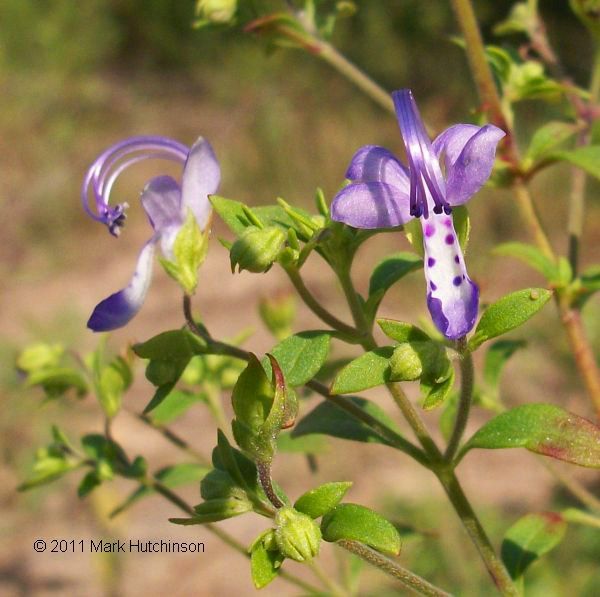
Attracts various pollinators, especially bees.. Documented bees include Caupolicana electa and Dialictus placidensis (Deyrup et al. 2002).
Native Habitats:
Natural Range in Florida:
Visit the USF Libraries Atlas of Florida Plants
Comments:
Ethnobotany:
General Comments:
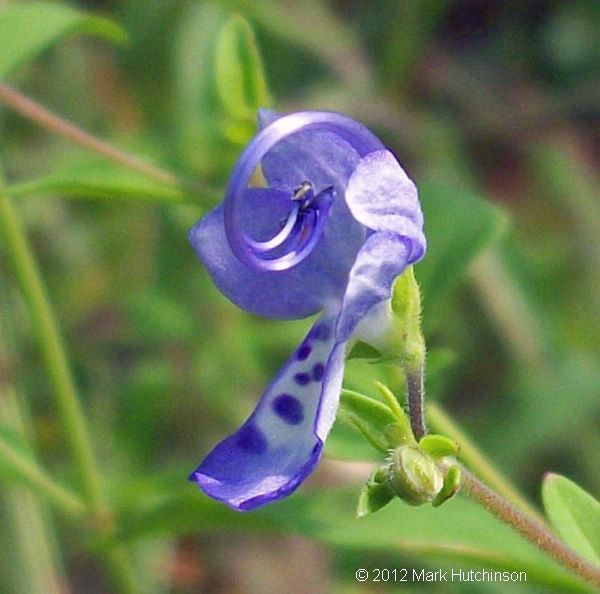
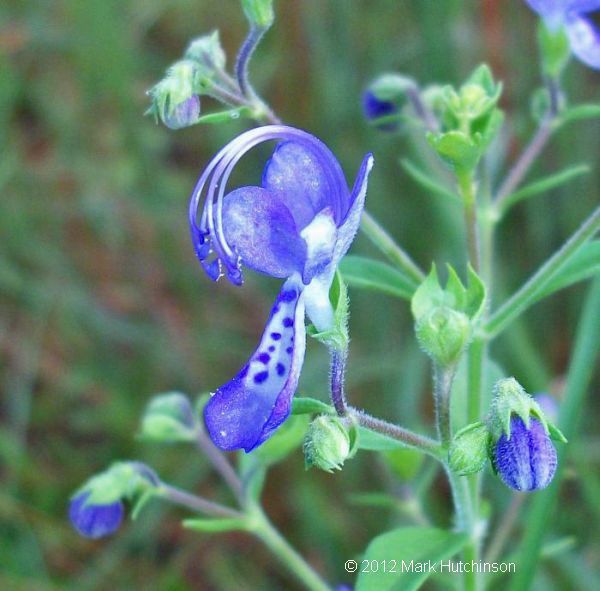
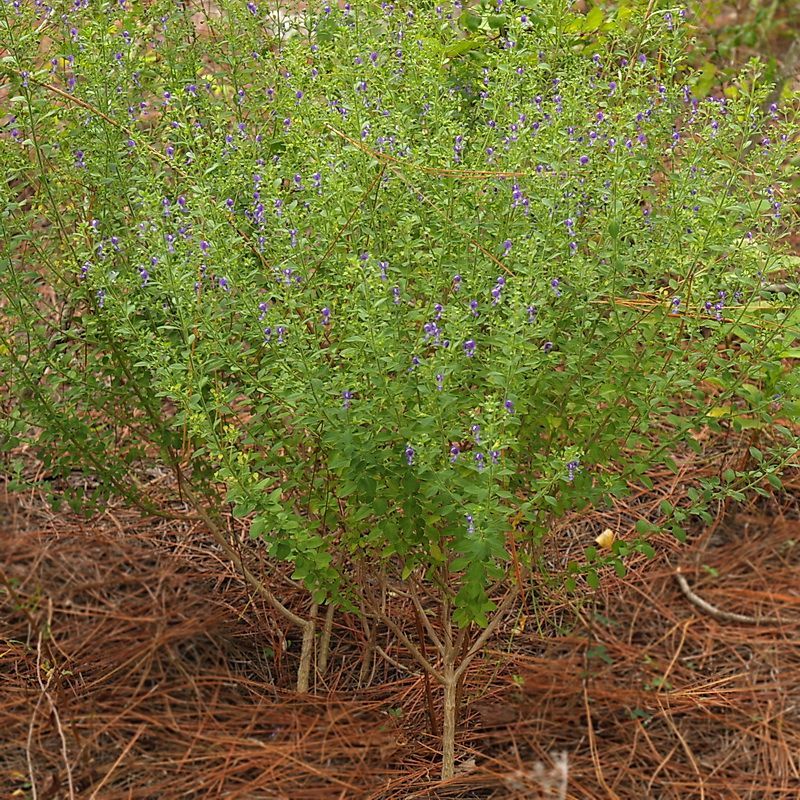
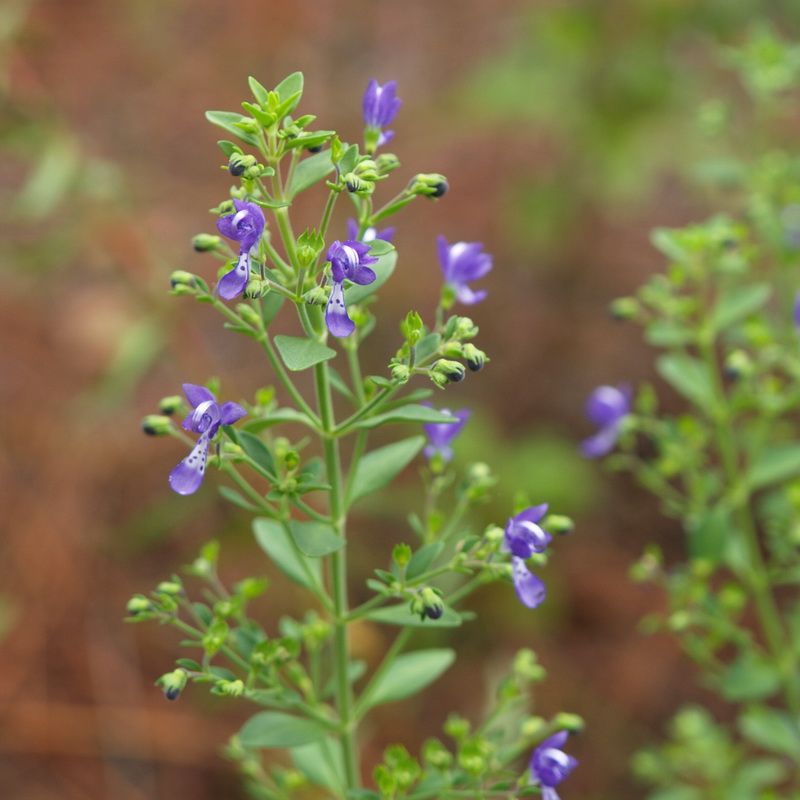
Noted for fragrance. Trichostema setaceum is similar but less common in central and southern Florida.
There are now at least 4 different Trichostema species being recognized in Florida. Please get your plants locally given that we do not know how closely related these newly identified taxa may be, and we do not want to accidentally cause introgression between closely related species and subspecies.

