Nomenclature
Common Name:
Synonym(s):
Genus species:
Family:
Adoxaceae
Plant Specifics
Form:
Size:
Life Span:
Long-lived perennial
Flower Color:
Fruit Color:
Phenology:
Noted For:
Landscaping
Recommended Uses:
Considerations:
Availability:
Propagation:
Light:
Moisture Tolerance:
Always Flooded------------------------------------------------Extremely Dry
Coming Soon!
Usually moist, occasional inundation ---to--- Short very dry periods
Salt Water Flooding Tolerance:
Unknown
Salt Spray/Salty Soil Tolerance:
Low/no tolerance of salty wind or direct salt spray
Soil or Other Substrate:
Sand
Soil pH:
Suitable to Grow In:
8A,8B,9A,9B
Ecology
Wildlife:
Larval host for the spring azure butterfly ( Celastrina ladon ).
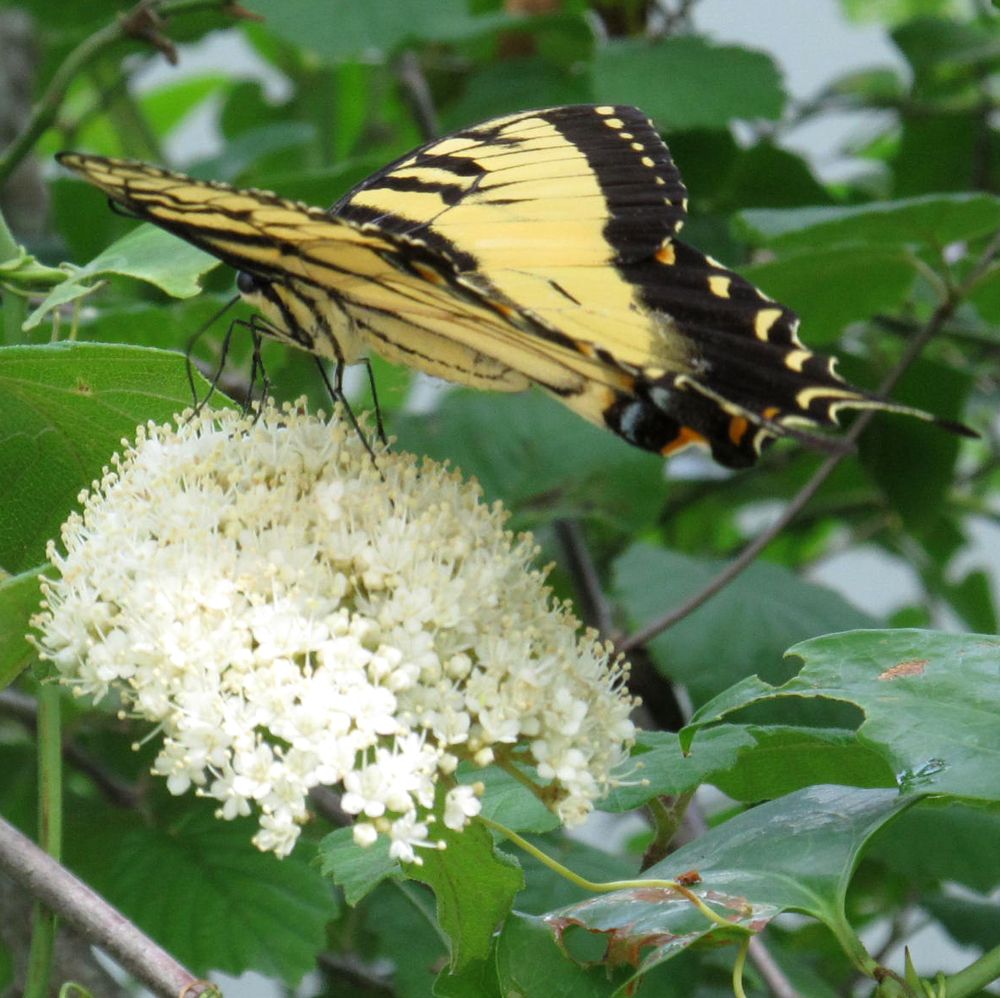
Both native and non-native viburnums ( Viburnum spp.) attract a wide range of pollinators with strong scents that promise either a nectar or pollen reward. Scarab beetles of the genus Cetonia are particularly interesting viburnum pollinators, possessing branched hairs on their bodies that are similar to pollen-collecting hairs found on bees. These hairs ensure a better chance of cross-pollination for self-sterile viburnum species. Viburnums with long corolla tubes and sweet scents are most often pollinated by species belonging to the order Lepidoptera, while viburnums with shorter corolla tubes and muskier odors receive frequent visits from flies and small bees. This relationship corresponds to the size of the insect mouthparts. Most viburnums produce very little nectar despite the wide range of pollinators.. The primary reward, at least for bees, is not nectar but pollen ( Arnold Arboretum ).
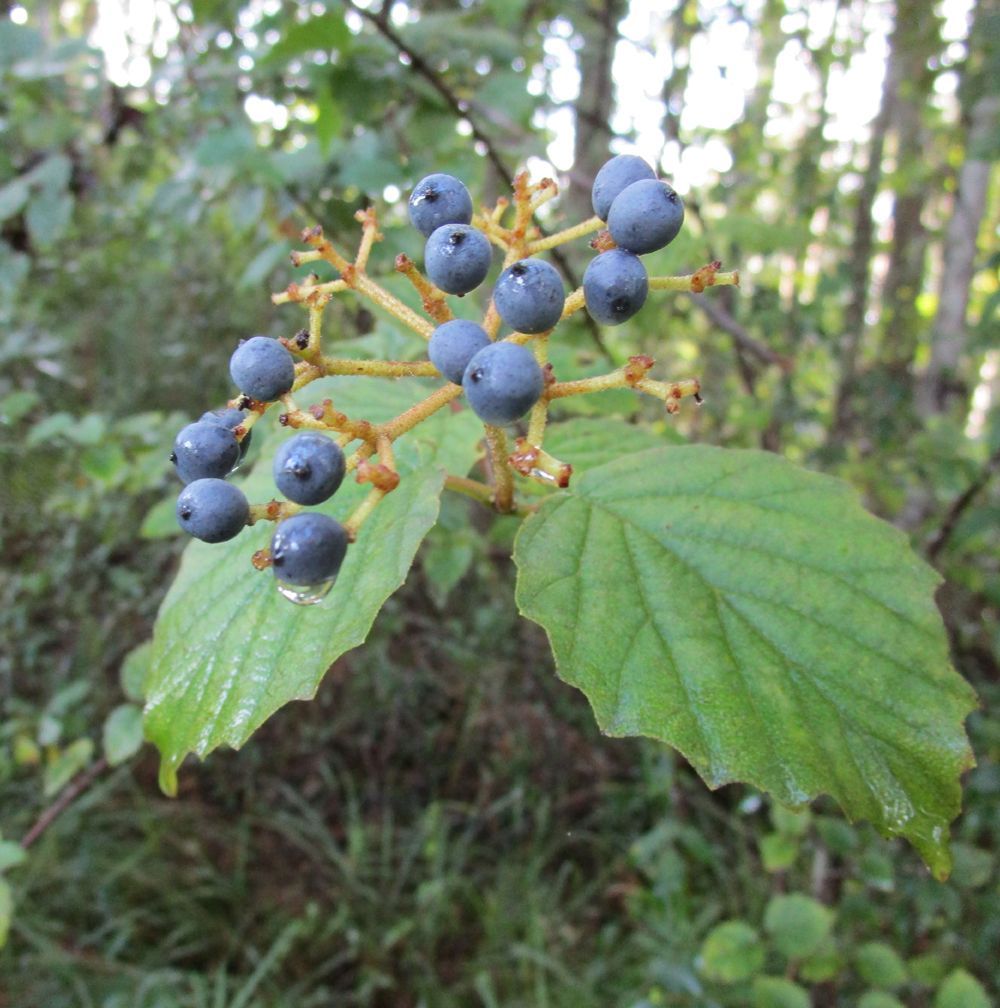
Birds and other wildlife consume fruit.
Native Habitats:
Natural Range in Florida:
Visit the USF Libraries Atlas of Florida Plants
Comments:
Ethnobotany:
General Comments:

