



Nomenclature
Common Name:
Synonym(s):
Genus species:
Family:
Zamiaceae
Plant Specifics
Form:
Size:
Life Span:
Long-lived perennial
Flower Color:
Fruit Color:
Phenology:
Noted For:
Landscaping
Recommended Uses:
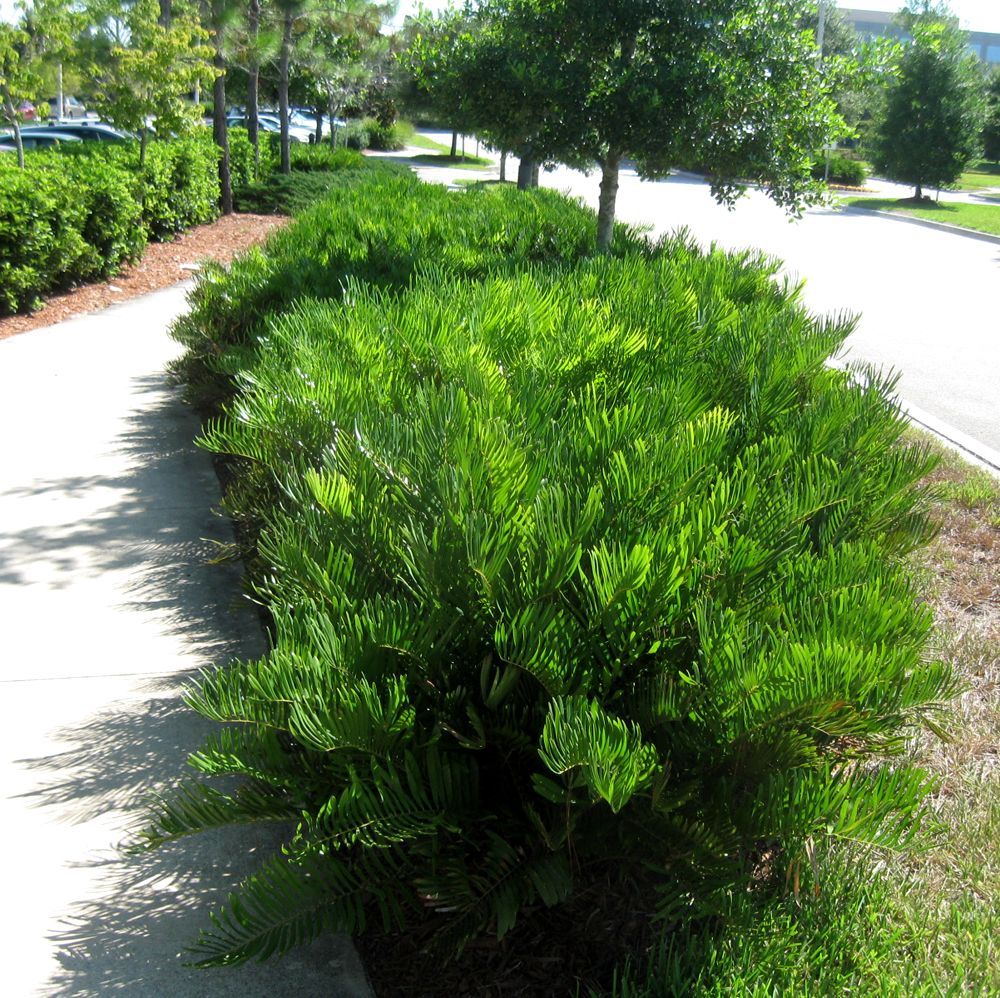
Specimen plant or mass planting in border.
Considerations:
Grows slowly.
Seeds, foliage, and roots are toxic.
Availability:
Propagation:
Seed and root division
Light:
Moisture Tolerance:
Always Flooded------------------------------------------------Extremely Dry
Coming Soon!
Usually moist, occasional inundation ---to--- Very long very dry periods
Salt Water Flooding Tolerance:
Unknown
Salt Spray/Salty Soil Tolerance:
Some tolerance to salty wind but not direct salt spray
Soil or Other Substrate:
Sand
Soil pH:
Suitable to Grow In:
8A,8B,9A,9B,10A,10B,11
Ecology
Wildlife:
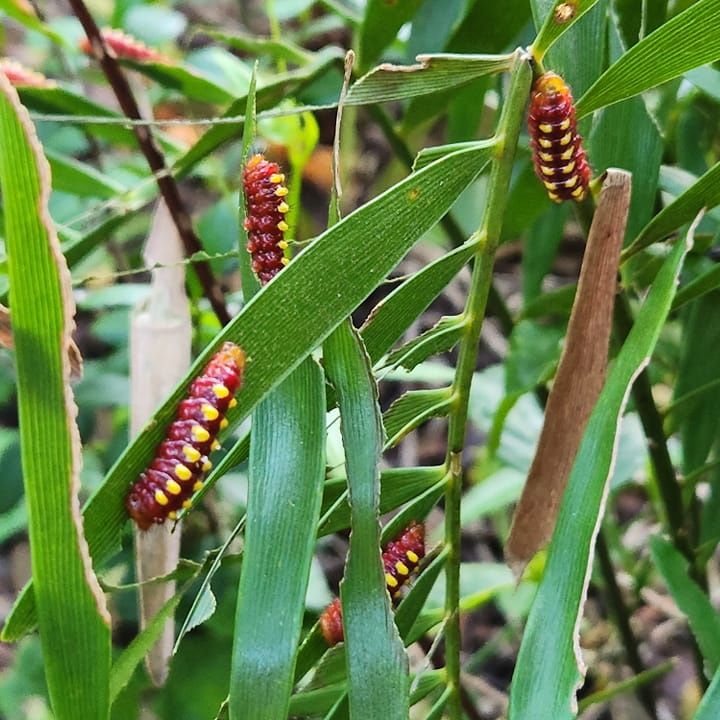
Larval host for the rare atala butterfly ( Eumaeus atala florida ) which is restricted to South Florida and the echo moth ( Sierarctia echo ).
Native Habitats:
Upland hardwood forests, high pine, coastal hammocks, shell middens.
Natural Range in Florida:
Visit the USF Libraries Atlas of Florida Plants
Comments:
Ethnobotany:
Used by the Indians as a source of starch. Also for many years this starch was used in the making of Animal Crackers. Read more about this in 1995 Palmetto article by Roger Hammer: http://www.fnps.org/assets/pdf/palmetto/hammer_roger_l_the_coontie_and_the_atala_hairstreak_vol_15_no_4_winter_1995.pdf
General Comments:
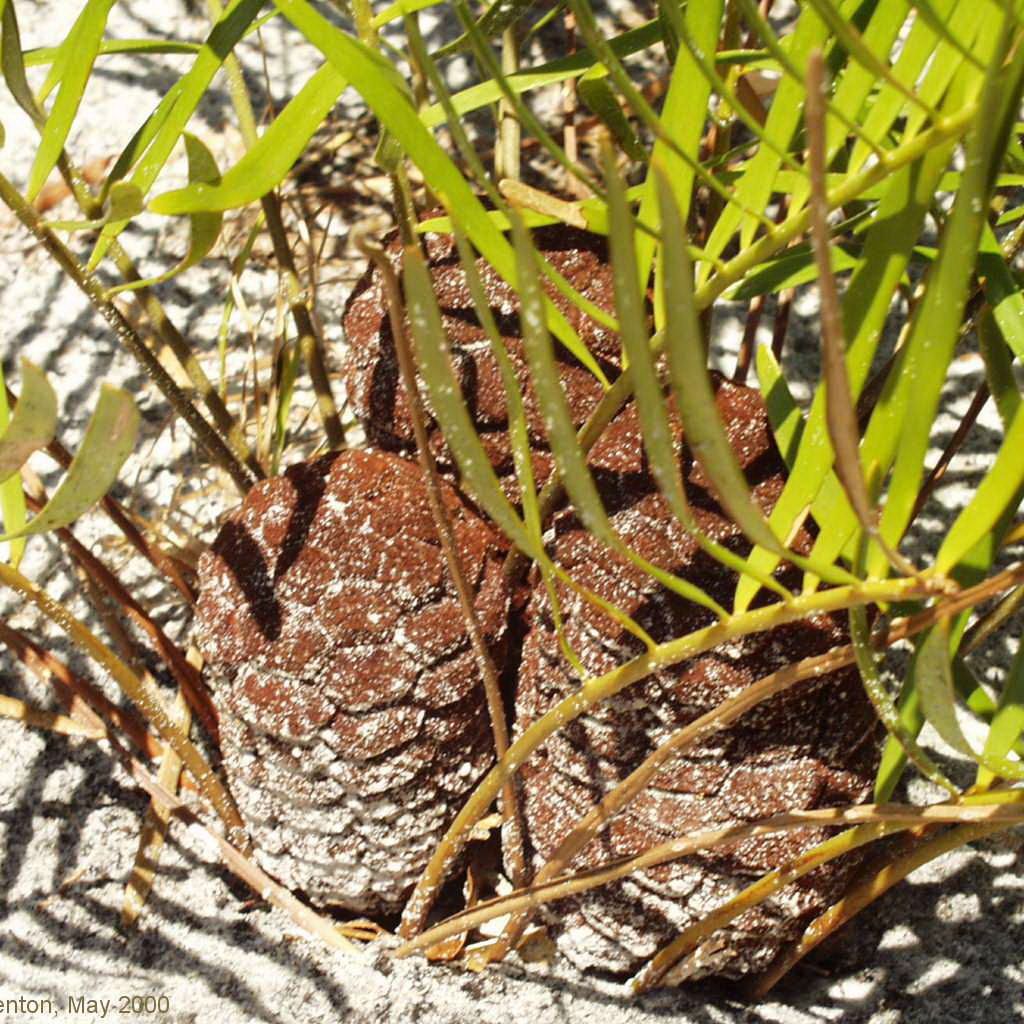
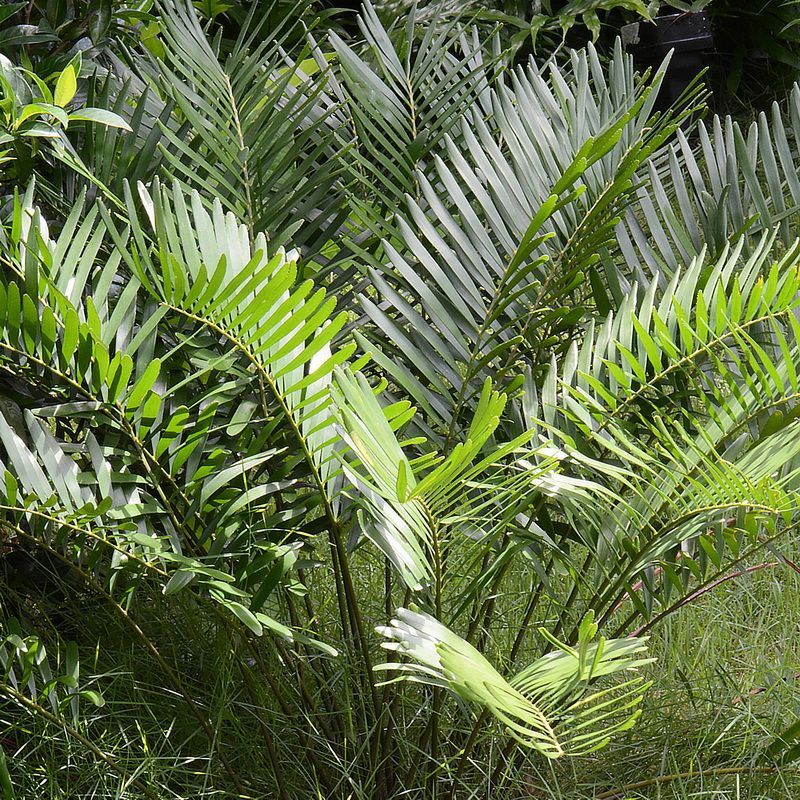
Although palm-like in appearance, this is a cycad, a primitive group of non-flowering plants. It is listed as commercially exploited by the state of Florida.

