
FNPS Plant Database
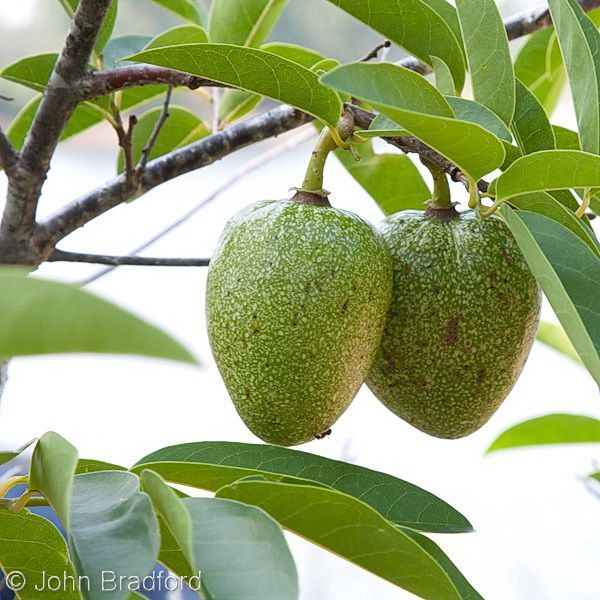
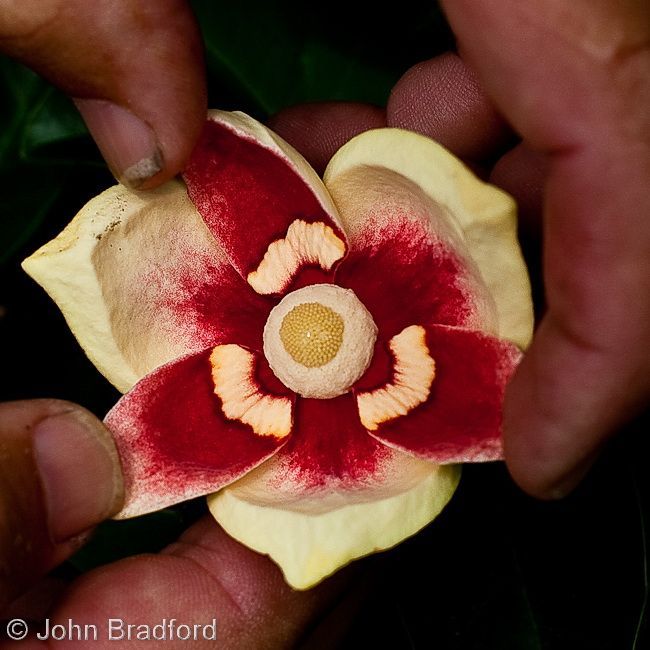
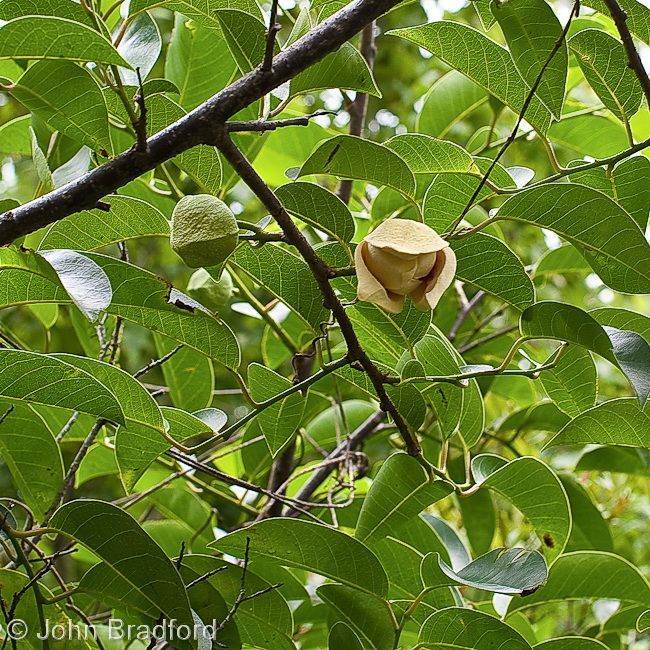
Annona glabra
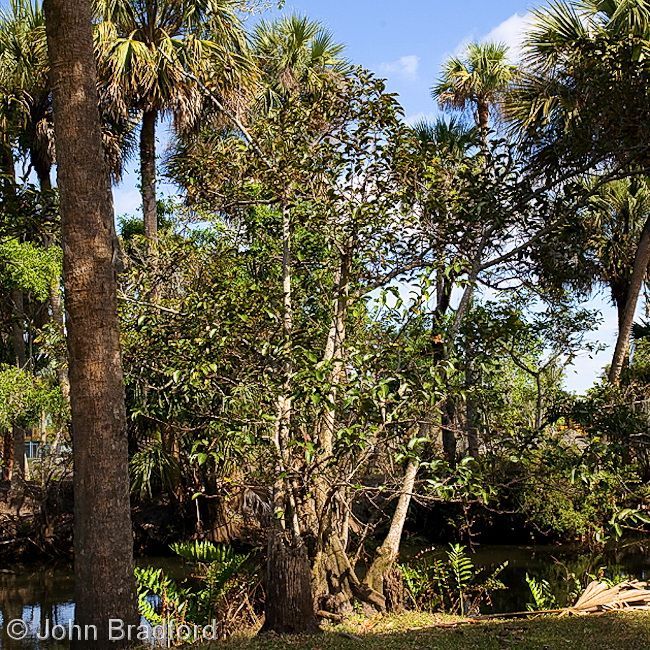
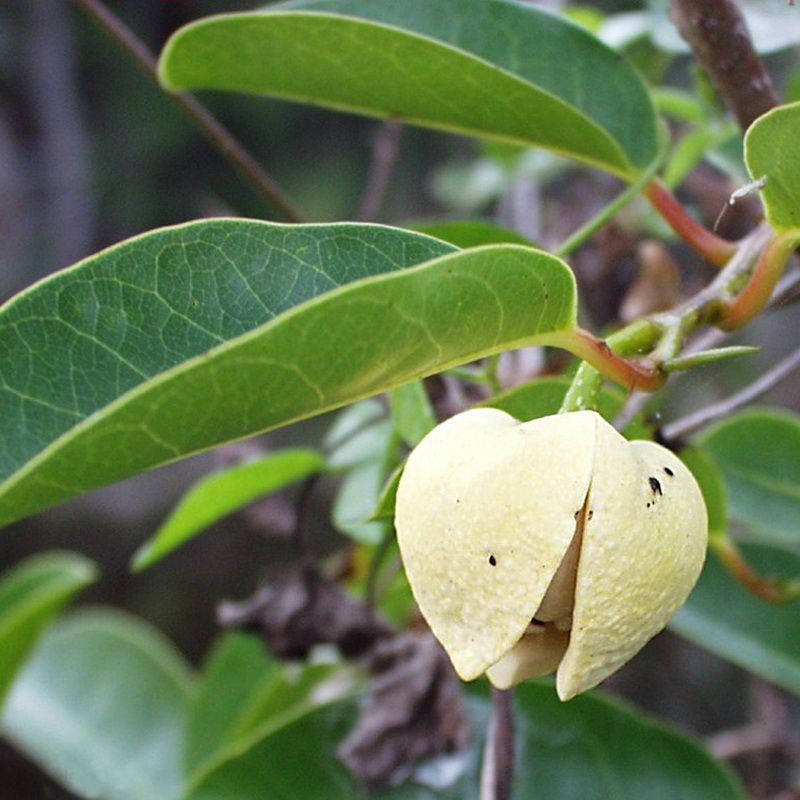
Nomenclature
Common Name:
Synonym(s):
Genus species:
Family:
Annonaceae
Plant Specifics
Form:
Size:
Life Span:
Long-lived perennial
Flower Color:
Fruit Color:
Phenology:
Noted For:
Landscaping
Recommended Uses:
Considerations:
Availability:
Propagation:
Light:
Moisture Tolerance:
Always Flooded---------------------------------Extremely Dry
□□□■■■■■■■■■■■■■■■□□□□□□□□□□□□□□□□□□□□□□□□
Aquatic -to- Usually moist, occasional inundation
Salt Water Flooding Tolerance:
Unknown
Salt Spray/Salty Soil Tolerance:
High. Can tolerate significant and ongoing amounts of salt.
Soil or Other Substrate:
Sand, Loam, Organic
Soil pH:
Suitable to Grow In:
10A,10B,11

USDA zones are based on the average annual extreme minimum winter temperature.
Don't know your zone? Click here to search by zip code.
Ecology
Wildlife:
Larval food source for Giant sphinx ( Cocytius antaeus ).
Pollinated by beetles.
Bird nesting area and food source.
Fruit used by mammals such as raccoons.
Native Habitats:
Comments:
Ethnobotany:
The Seminole Indians used this plant to make a cleaning product and as a food source (fruits). Seeds are said to be toxic. The fruits have been used to make jelly and custard.
Major pond apple forests along the southern rim of Lake Okeechobee were destroyed for agriculture early in the 20th century.
General Comments:


Citations:
Gann, G.D., C.J. Abbott, C.G. Stocking, K.N. Hines, and collaborators. Natives For Your Neighborhood. 9 https://www.regionalconservation.org/beta/nfyn/plantdetail.asp?tx=Annoglab ). Accessed 2025. The Institute for Regional Conservation. Delray Beach, Florida.
Haehle, Robert G. and Joan Brookwell. (1999). Native Florida Plants. Gulf Publishing Company. Houston, TX.
Nelson, Gil. (2003). Florida's Best Landscape Plants: 200 Readily Available Species for Homeowners and Professionals. University Press of Florida, Gainesville.
Osorio, Rufino. (2001). A Gardener's Guide to Florida's Native Plants. University Press of Florida, Gainesville.
Wunderlin, R. P., B. F. Hansen, A. R. Franck, and F. B. Essig. (1999+). Atlas of Florida Plants. ( https://florida.plantatlas.usf.edu/ ). [S. M. Landry and K. N. Campbell (application development), USF Water Institute.] Institute for Systematic Botany, University of South Florida, Tampa.

