

FNPS Plant Database
Chionanthus virginicus
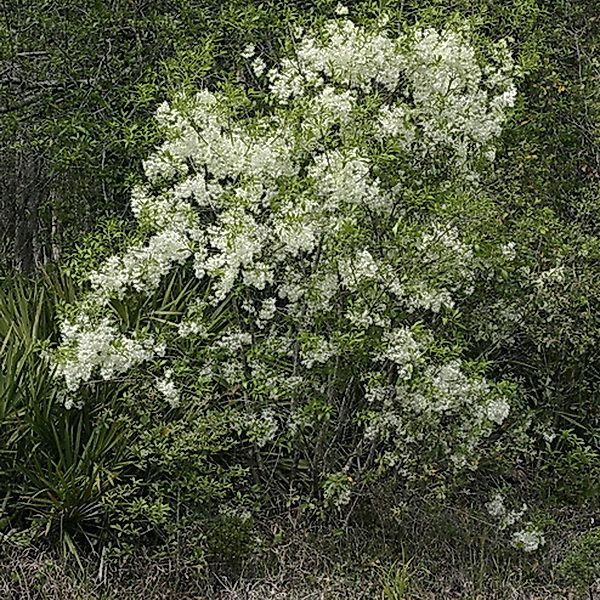
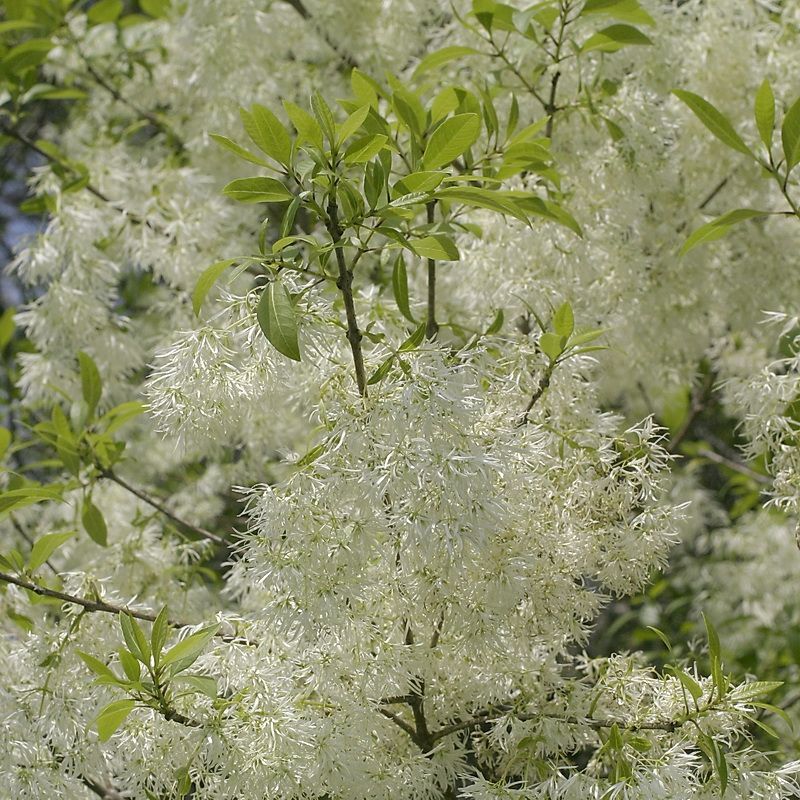
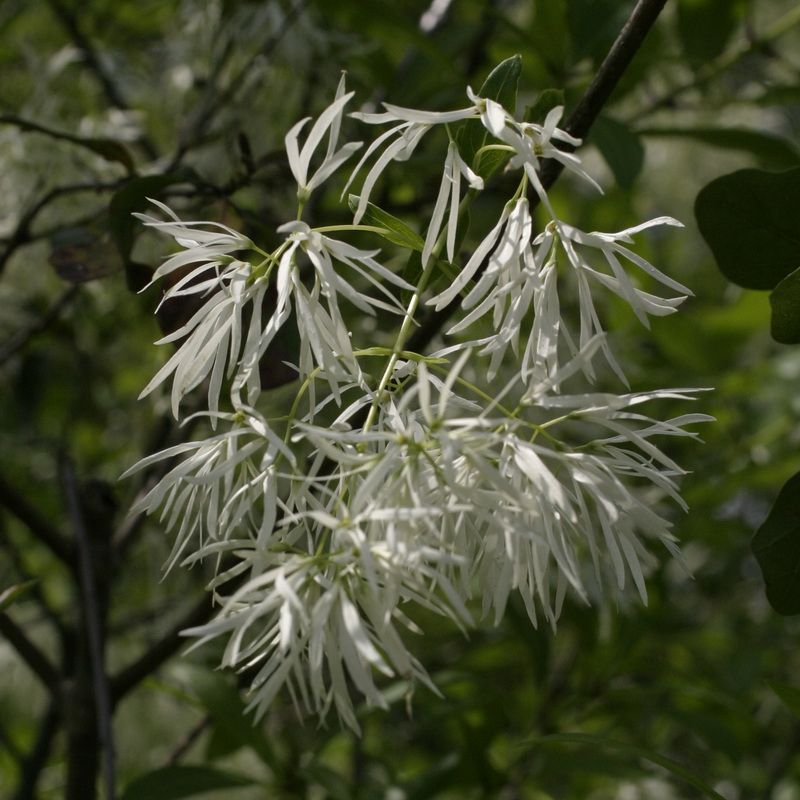
-1920w.jpg)
Nomenclature
Common Name:
Synonym(s):
Genus species:
Family:
Oleaceae
Plant Specifics
Form:
Size:
Life Span:
Long-lived perennial
Flower Color:
Fruit Color:
Phenology:
Noted For:
Landscaping
Recommended Uses:
Considerations:
Availability:
Propagation:
Light:
Moisture Tolerance:
Always Flooded---------------------------------Extremely Dry
□□□□□□□□□□□□■■■■■■■■■■■■■■■■■■■■■□□□□□□□□□
Usually moist, occasional inundation -to- Short very dry periods
Salt Water Flooding Tolerance:
Unknown
Salt Spray/Salty Soil Tolerance:
Low/no tolerance of salty wind or direct salt spray
Soil or Other Substrate:
Sand, Loam
Soil pH:
Suitable to Grow In:
8A,8B,9A,9B

USDA zones are based on the average annual extreme minimum winter temperature.
Don't know your zone? Click here to search by zip code.
Ecology
Wildlife:
Larval host for rustic sphinx ( Manduca rustica ), waved sphinx ( Ceratomia undulosa ), and laurel sphinx ( Sphinx kalmiae ).
Fruits are eaten by birds and small mammals.
Native Habitats:
Comments:
Ethnobotany:
General Comments:


Citations:
BONAP Plant Atlas. (2013). ( https://bonap.net/MapGallery/County/Ageratina%20jucunda.png ). Accessed 2025. Biota of North America Program, Chapel Hill, NC.
Florida Wildflower Foundataion. (2007). Flower Friday: Fringetree. ( https://www.flawildflowers.org/flower-friday-chionanthus-virginicus/ ).
Florida Wildflower Foundation, Maitland, FL.Haehle, Robert G. and Joan Brookwell. (1999). Native Florida Plants. Gulf Publishing Company. Houston, TX.
Huegel, Craig N. (2010). Native Plant Landscaping for Florida Wildlife. University Press of Florida, Gainesville.
Nelson, Gil. (2003). Florida's Best Landscape Plants: 200 Readily Available Species for Homeowners and Professionals. University Press of Florida, Gainesville.
Osorio, Rufino. (2001). A Gardener's Guide to Florida's Native Plants. University Press of Florida, Gainesville.
University of Tennessee Extension Service. (2010). Desired pH Range and salt tolerance of common nursery plants. ( https://plantsciences.tennessee.edu/wp-content/uploads/sites/25/2021/10/Desired-pH-Range-List.pdf ). Accessed 2025. University of Tennessee Extension, Knoxville.
Watkins, John and Thomas Sheehan. (1975). Florida Landscape Plants, Native and Exotic. University Presses of Florida, Gainesville.
Wunderlin, R. P., B. F. Hansen, A. R. Franck, and F. B. Essig. (1999+). Atlas of Florida Plants. ( https://florida.plantatlas.usf.edu/ ). [S. M. Landry and K. N. Campbell (application development), USF Water Institute.] Institute for Systematic Botany, University of South Florida, Tampa.

