FNPS Plant Database
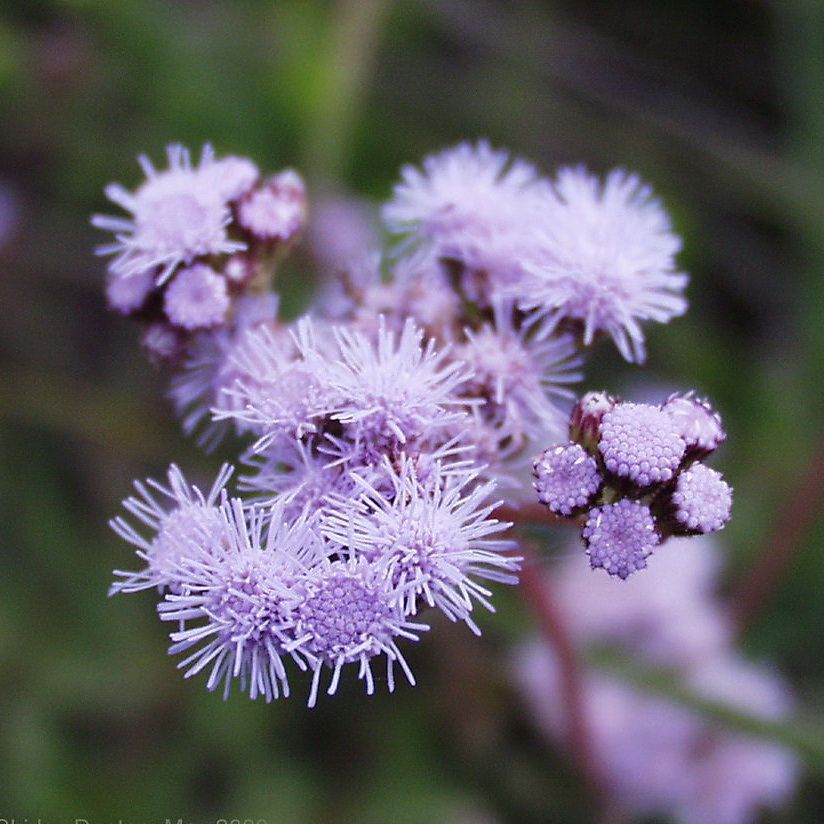
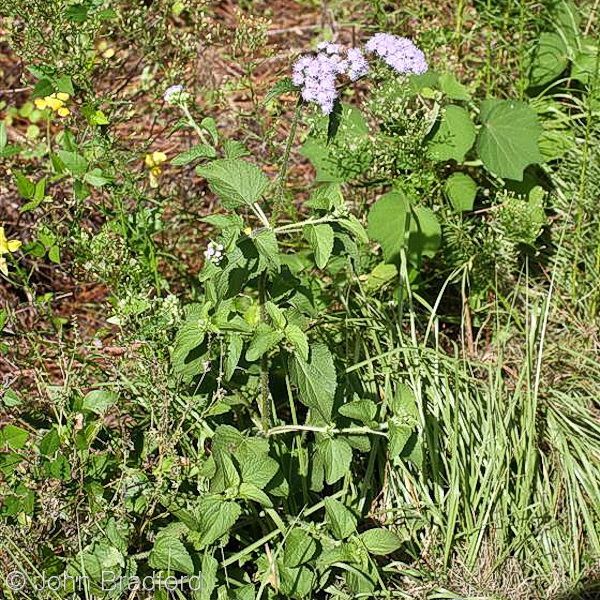
Conoclinium coelestinum
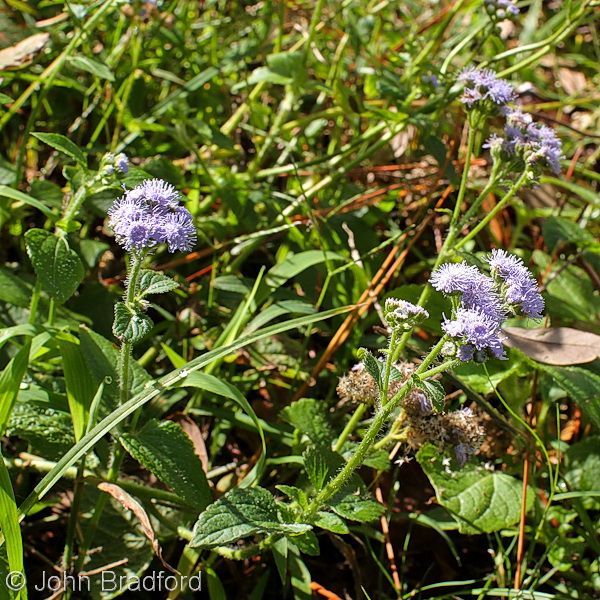
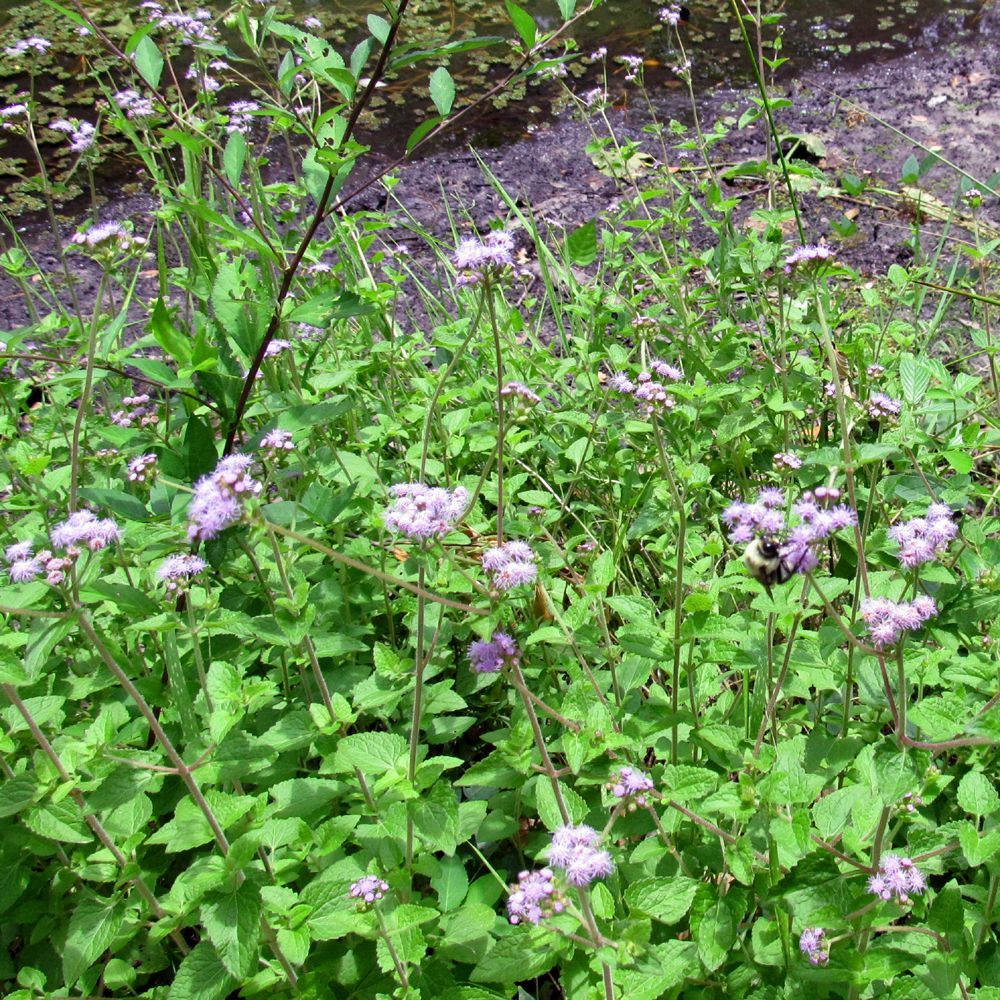
Nomenclature
Common Name:
Synonym(s):
Genus species:
Family:
Asteraceae (Compositae)
Plant Specifics
Form:
Size:
Life Span:
Long-lived perennial
Flower Color:
Fruit Color:
Phenology:
Noted For:
Landscaping
Recommended Uses:
Considerations:
Availability:
Propagation:
Light:
Moisture Tolerance:
Always Flooded---------------------------------Extremely Dry
□□□□□□□□□□□□□□□■■■■■■■■■■■■□□□□□□□□□□□□□□□
Usually moist, occasional inundation -to- Not wet but not extremely dry
Salt Water Flooding Tolerance:
Unknown
Salt Spray/Salty Soil Tolerance:
Low/no tolerance of salty wind or direct salt spray
Soil or Other Substrate:
Sand, Loam, Organic
Soil pH:
Suitable to Grow In:
8A,8B,9A,9B,10A,10B,11

USDA zones are based on the average annual extreme minimum winter temperature.
Don't know your zone? Click here to search by zip code.
Ecology
Wildlife:
Nectar plant for obscure skipper ( Panoquina panoquinoides ), salt marsh skipper ( Panoquina panoquin ), southern broken-dash ( Wallengrenia otho ), three-spotted skipper ( Cymaenes tripunctus ) and other butterflies. ( IRC )
Attracts bees.
Native Habitats:
Comments:
Ethnobotany:
General Comments:


Citations:
Haehle, Robert G. and Joan Brookwell. (1999). Native Florida Plants. Gulf Publishing Company. Houston, TX.
Hammer, Roger. (2015). Attracting Hummingbirds and Butterflies in Tropical Florida. University Press of Florida, Gainesville.
Huegel, Craig N. (2012). Native Wildflowers and Other Ground Covers for Florida Landscapes. University Press of Florida, Gainesville.
Traas, Pamela. (2001). Gardening for Florida's Butterflies. Great Outdoors Publishing Co., St. Petersburg, FL.
North Carolina State Extension. (Undated). North Carolina Extension Gardener Plant Toolbox. ( https://plants.ces.ncsu.edu/ ). North Carolina Agricultural & Technical University, Greensboro, NC.
Wunderlin, R. P., B. F. Hansen, A. R. Franck, and F. B. Essig. (1999+). Atlas of Florida Plants. ( https://florida.plantatlas.usf.edu/ ). [S. M. Landry and K. N. Campbell (application development), USF Water Institute.] Institute for Systematic Botany, University of South Florida, Tampa.

