FNPS Plant Database
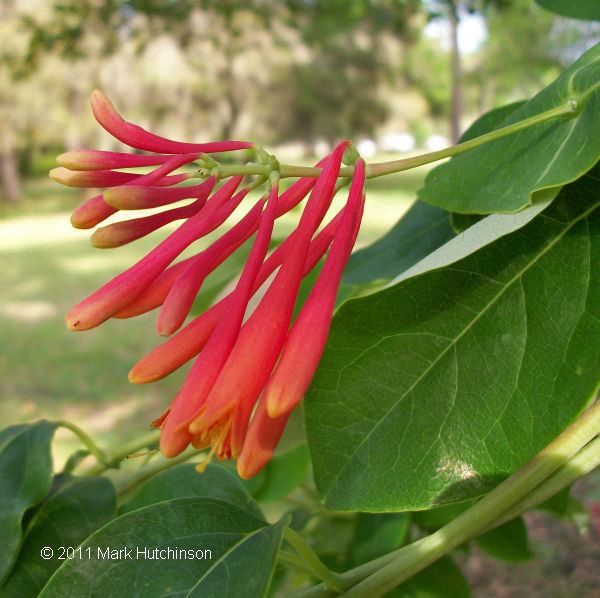
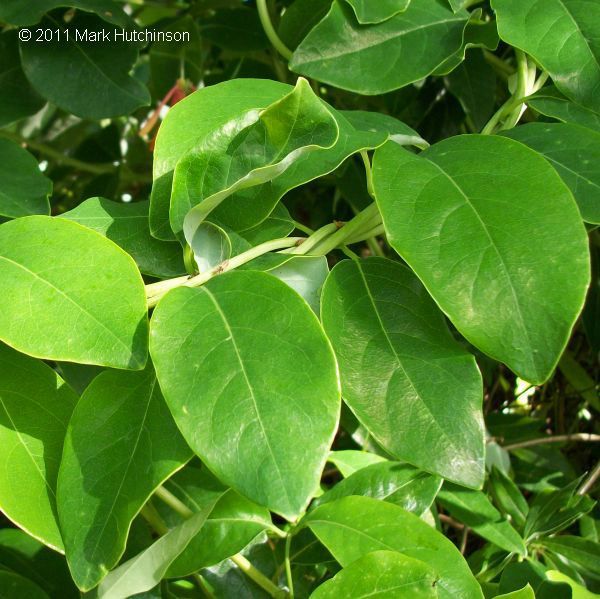
Lonicera sempervirens
-1920w.jpg)
Nomenclature
Common Name:
Synonym(s):
Genus species:
Family:
Caprifoliaceae
Plant Specifics
Form:
Size:
Life Span:
Long-lived perennial
Flower Color:
Fruit Color:
Phenology:
Noted For:
Landscaping
Recommended Uses:
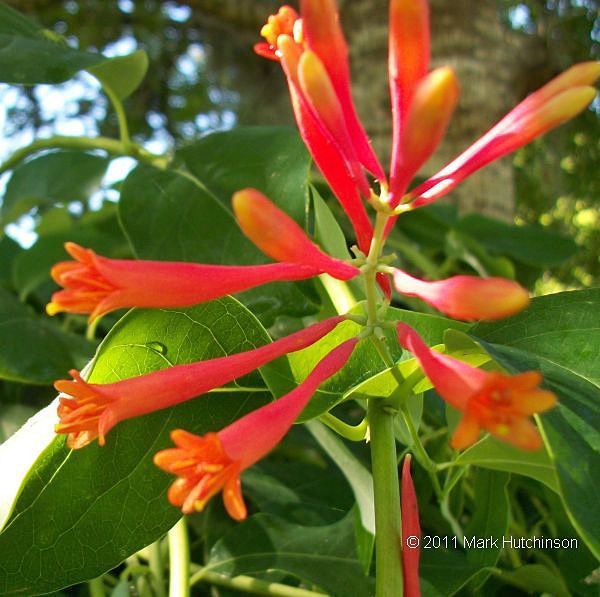
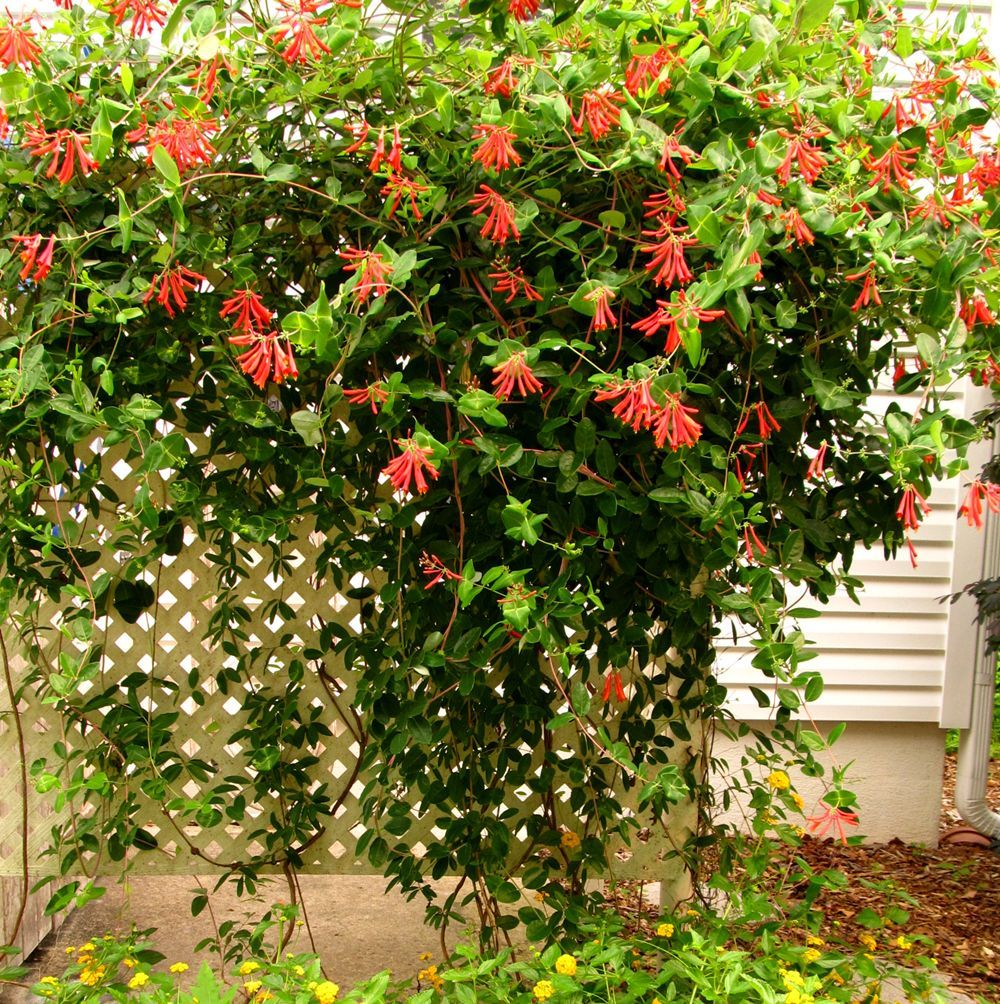
Given a trellis or fence this plant makes a great hedge. It can also make a good groundcover though it will not bloom as well as it does with support.
Expect this plant to be evergreen in most of Florida but deciduous in colder areas.
Considerations:
Availability:
Propagation:
Light:
Moisture Tolerance:
Always Flooded---------------------------------Extremely Dry
□□□□□□□□□□□□□□□■■■■■■■■■■■■■■■■■■□□□□□□□□□
Usually moist, occasional inundation -to- Short very dry periods
Salt Water Flooding Tolerance:
Unknown
Salt Spray/Salty Soil Tolerance:
Low/no tolerance of salty wind or direct salt spray
Soil or Other Substrate:
Sand, Clay, Loam
Soil pH:
Suitable to Grow In:
8A,8B,9A,9B,10A,10B

USDA zones are based on the average annual extreme minimum winter temperature.
Don't know your zone? Click here to search by zip code.
Ecology
Wildlife:
Larval host for Spring Azure ( Celastrina ladon ) and Snowberry Clearwing ( Hemaris diffinis ) butterflies.
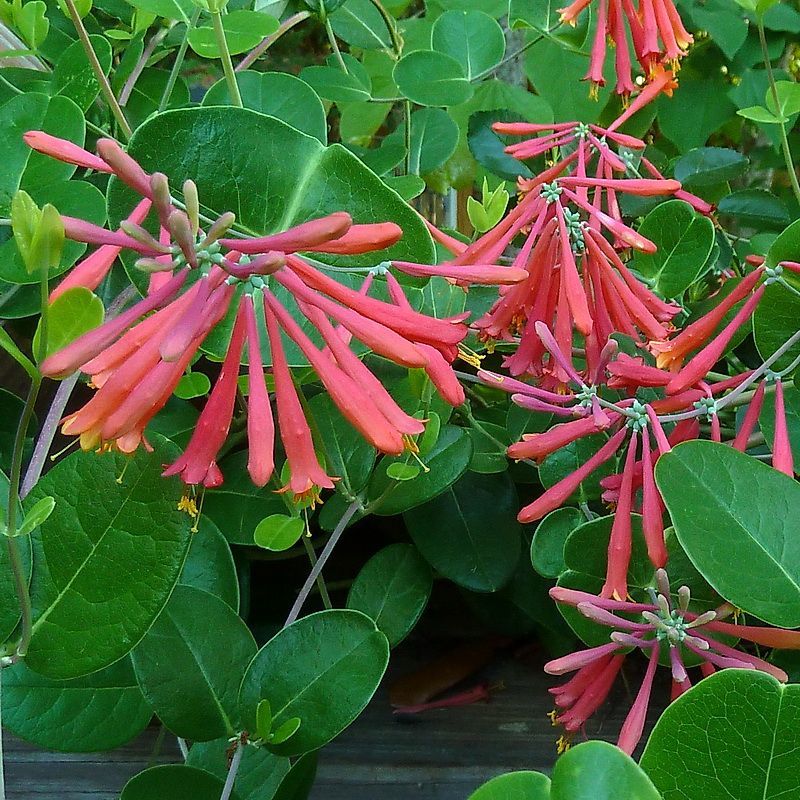
Flowers attract hummingbirds.
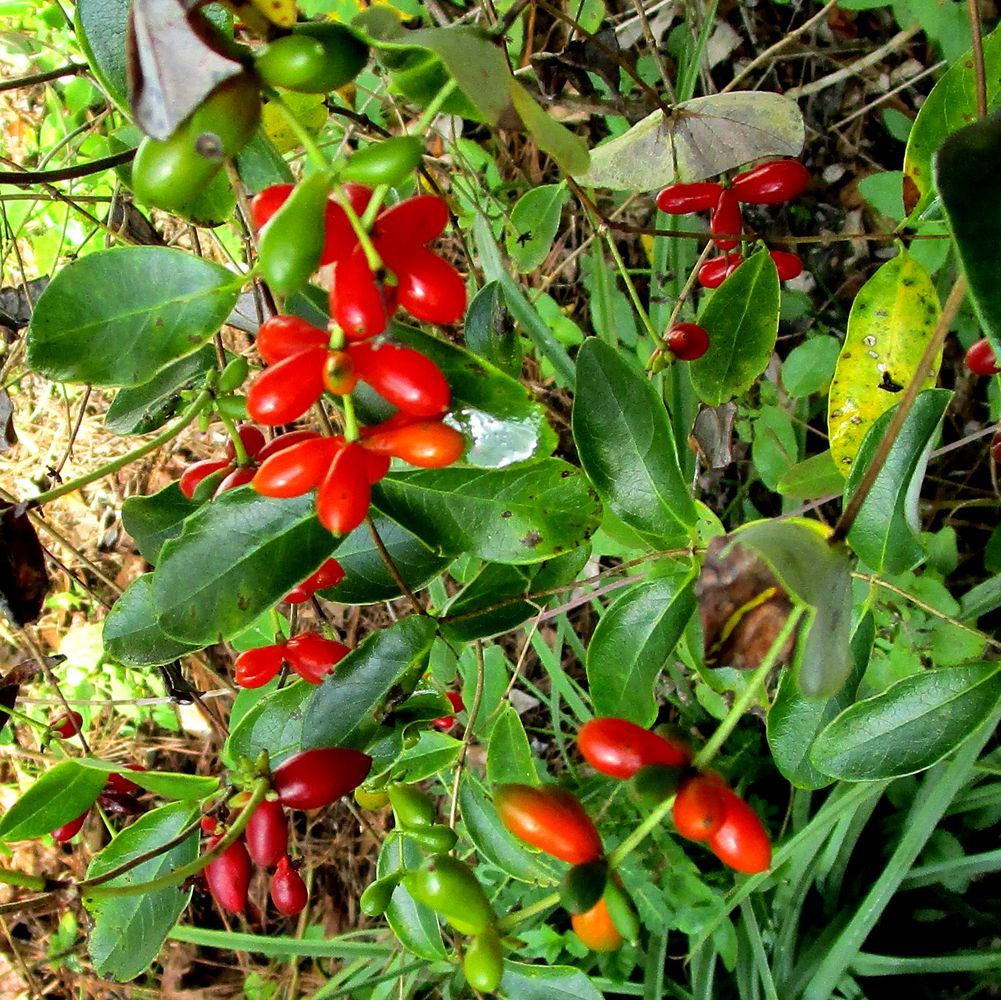
Birds, especially cardinals, eat the seeds - digesting the outer flesh of the fruit and aiding in distribution of the seed.
Native Habitats:
Comments:
Ethnobotany:
General Comments:
Coral honeysuckle's bark exfoliates.
Climbs by twining



Citations:
Haehle, Robert G. and Joan Brookwell. 1999. Native Florida Plants. Gulf Publishing Company. Houston, TX.
Hammer, Roger. 2015. Attracting hummingbirds and butterflies in tropical Florida. University Presses of Florida.
Nelson, Gil. 2003. Florida's Best Landscape Plants. Association of Florida Native Nurseries.
Osorio, Rufino. 2001. A gardener's guide to Florida's native plants. University Press of Florida, Gainesville, FL.
Wunderlin, R. P., B. F. Hansen, A. R. Franck, and F. B. Essig. 2021. Atlas of Florida Plants ( https://florida.plantatlas.usf.edu/ ). Institute for Systematic Botany, University of South Florida, Tampa.

